Can you design a digital lock that can't be cracked? Students take on that challenge, then put each other's designs to the test.
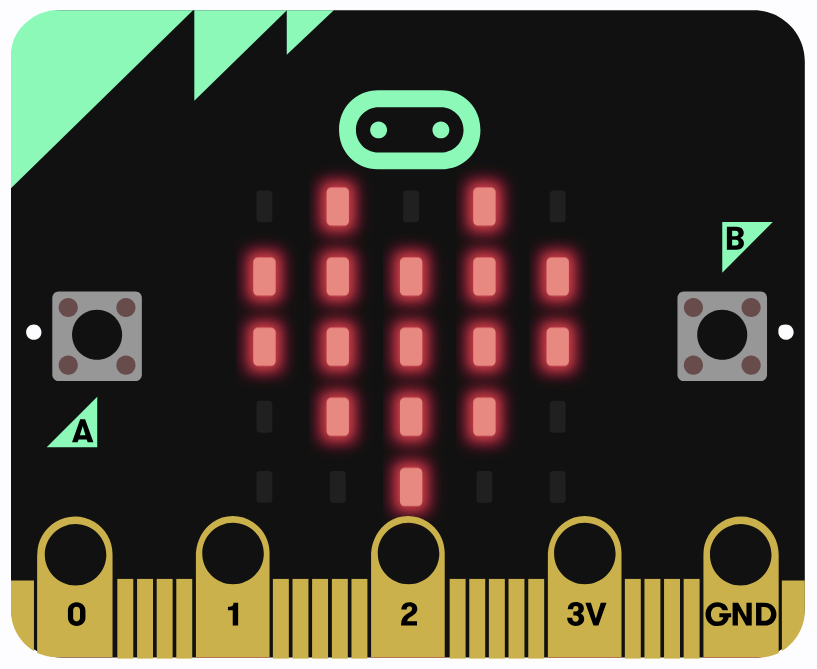
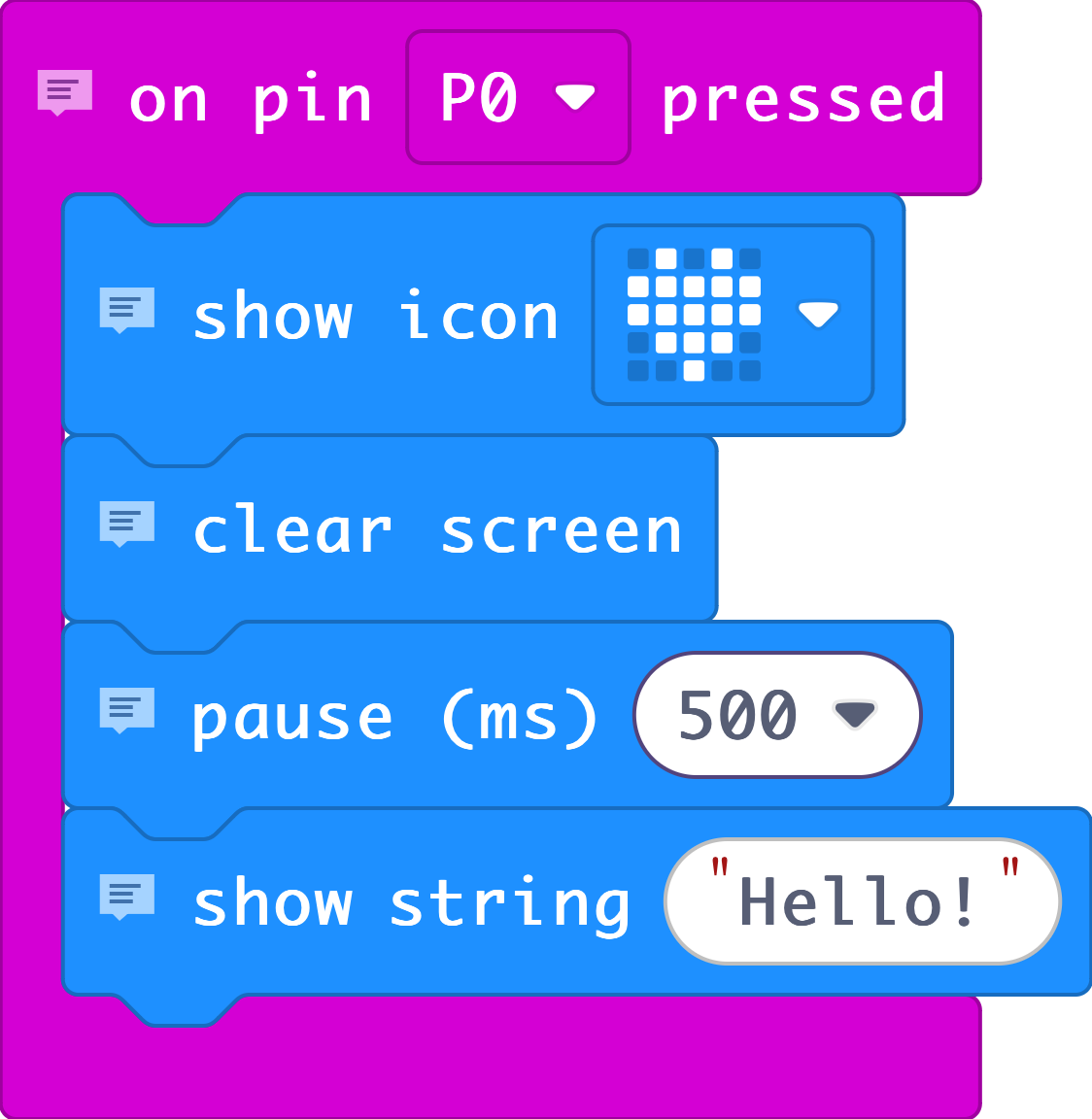
GRID Power has just experienced a break-in, and students are brought in as security engineers to help. They investigate how electronic entry systems work and how they can be compromised, build logic gate circuits, examine the risks of unverified microelectronic components, and program a micro:bit to respond to sensor inputs.
Students apply their learning to a prototype door lock, then trade with another team and try to crack each other's designs. The unit ends with cryptographic authentication and why trusted microelectronics matter for the systems people depend on.
Grade Level: High School (9-12)
Engineering Design Project: Design, build, and verify a secure door lock system, using inputs and outputs on the micro:bit.
Core Content
Inductive reasoning
Programming logic
Algorithm design
Cybersecurity
ME Connection
Trusted & Assured Microelectronics (T&AM)
Microcontroller programming
Sensor integration
Logic gates and circuit design