
Summer 2026
This summer has been an exciting season of growth, collaboration, and innovation for SCALE K-12. From preparing educators through hands-on professional development, to engaging students in immersive STEM experiences, to advancing research in engineering education, our team has continued to build pathways that connect classrooms to future opportunities in microelectronics and emerging technologies.
We are proud to have partnered with educators, researchers, students, and industry leaders across multiple states to expand access to meaningful, hands-on learning experiences. This work is made possible through the dedication of teachers who bring these experiences back to their classrooms, the researchers advancing our understanding of effective STEM education, and the partners who share our commitment to preparing the next generation of innovators.
In this edition, we celebrate the milestones, partnerships, and stories that demonstrate the growing impact of SCALE K-12—from national conversations in engineering education to local classroom experiences that spark student curiosity.
In This Issue
Advancing Innovation in Engineering Education
ASEE Conference
Advancing Research and Expanding Impact
Journal articles and graduate student milestones
Expanding Microelectronics Awareness Through Community Engagement
Science on Tap
Empowering Educators to Transform Classrooms
Teacher workshops and Noyce Fellowship
Inspiring the Next Generation of Innovators
Student camps and hands-on learning
Student and family perspectives
Advancing Innovation in Engineering Education
American Society for Engineering Education (ASEE)
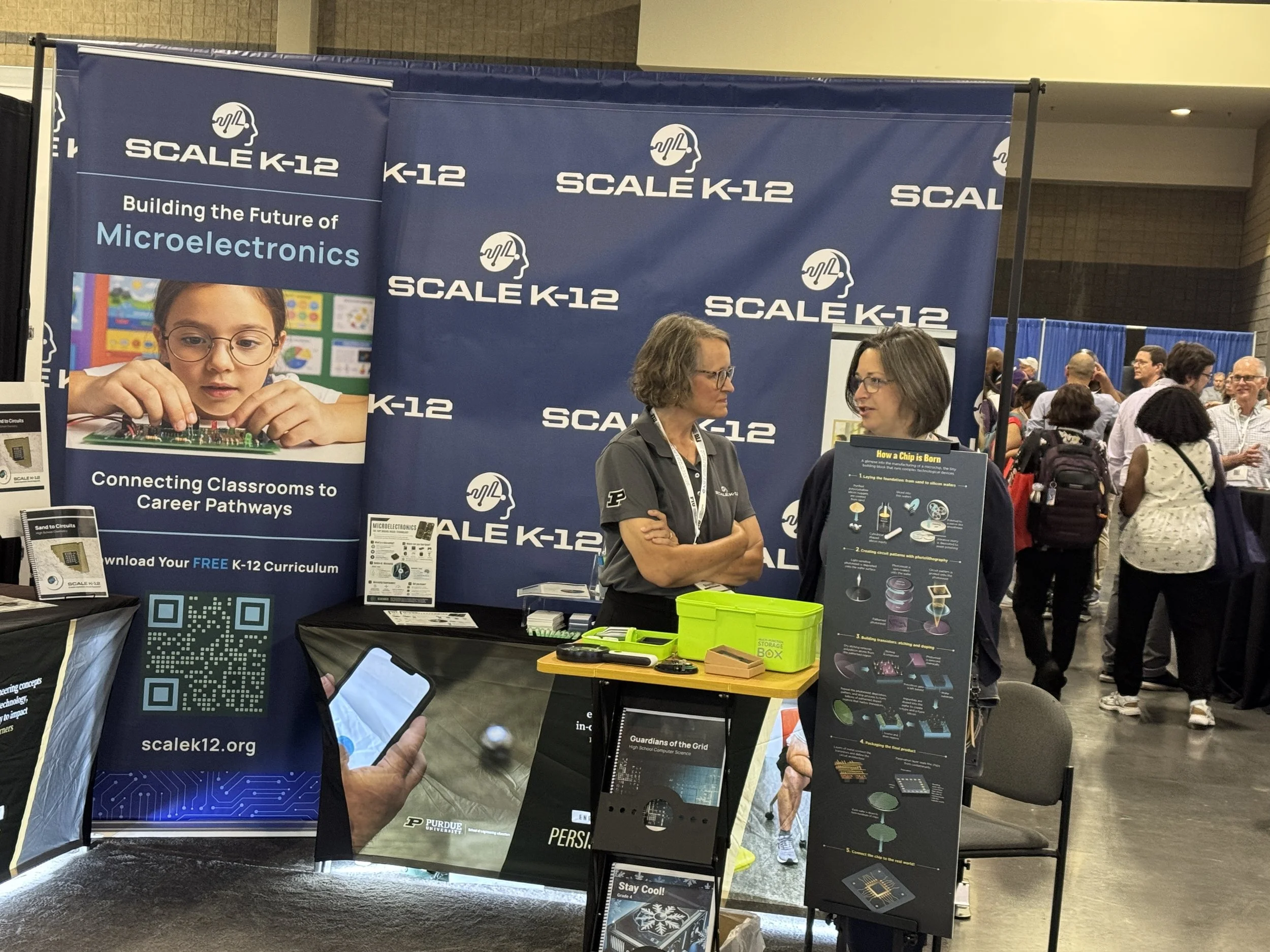
The SCALE K-12 team was proud to participate in the American Society for Engineering Education (ASEE) Annual Conference at UNC Charlotte, where we had the opportunity to share our work with educators, researchers, and STEM leaders from across the country. Through presentations, networking, and the ASEE Resource Exchange, we highlighted innovative approaches to integrating microelectronics and artificial intelligence into K-12 education while building new partnerships to expand our impact.
Building Connections
The conference also provided valuable opportunities to connect with educators, school leaders, industry representatives, and potential collaborators at the SCALE K-12 exhibit booth. Throughout the event, attendees explored our curriculum, learned about our professional development opportunities, and discussed ways to bring hands-on engineering and microelectronics learning into their classrooms and districts.
These conversations continue to strengthen our growing network of partners who are committed to expanding access to high-quality STEM education and preparing students for future opportunities in engineering and advanced technologies.
Bringing Classroom-Ready Curriculum to Educators
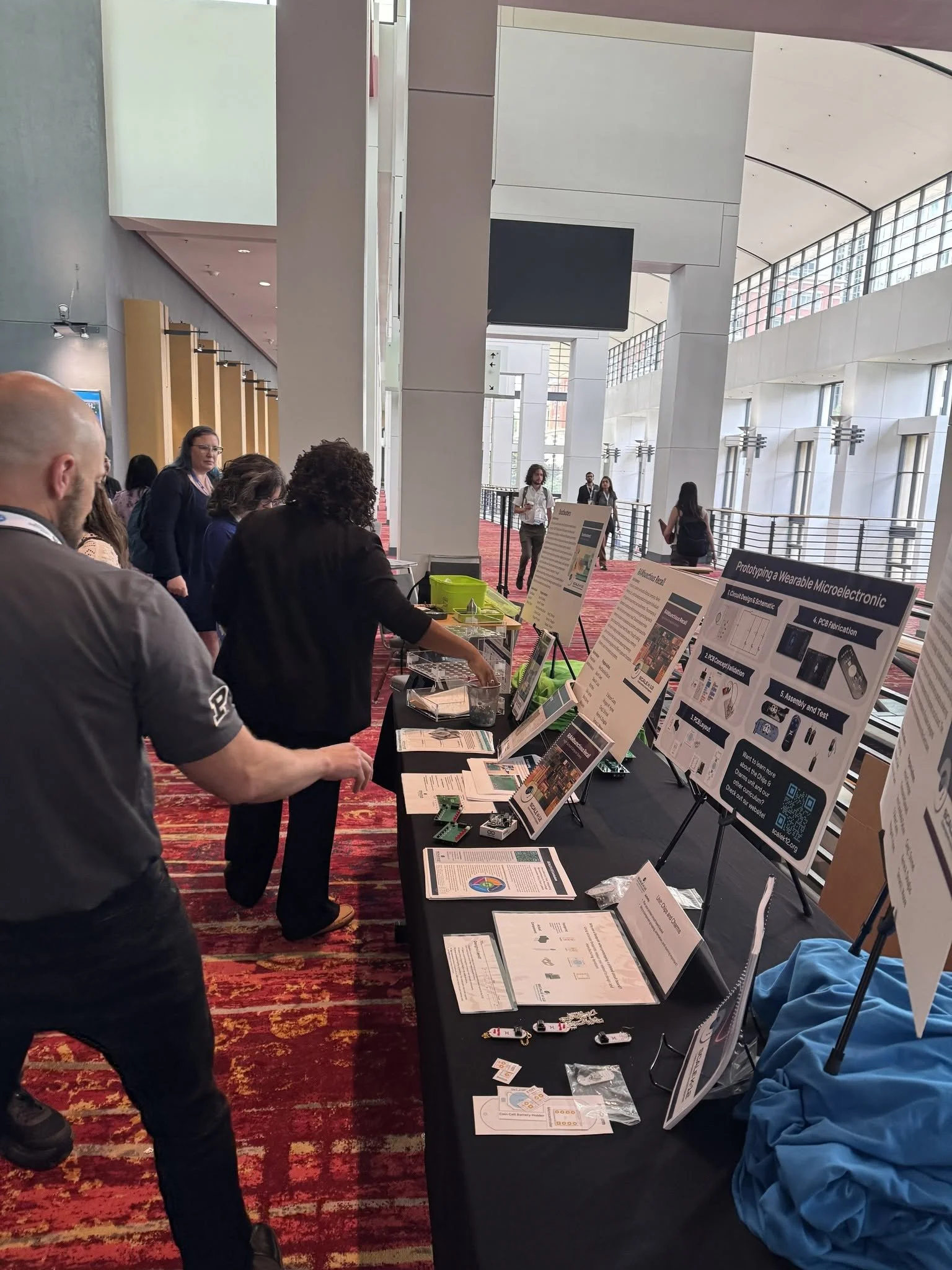
As part of the ASEE Resource Exchange, SCALE K-12 showcased the curriculum units developed over the past year. Each unit represents authentic, classroom-tested learning experiences that engage students in engineering design, problem-solving, and real-world applications of microelectronics.
Sharing these resources with the broader engineering education community allows educators to discover practical strategies for integrating engineering concepts into existing curriculum while supporting student curiosity, creativity, and workforce readiness.
Connecting Microelectronics and AI Through Hands-On Learning
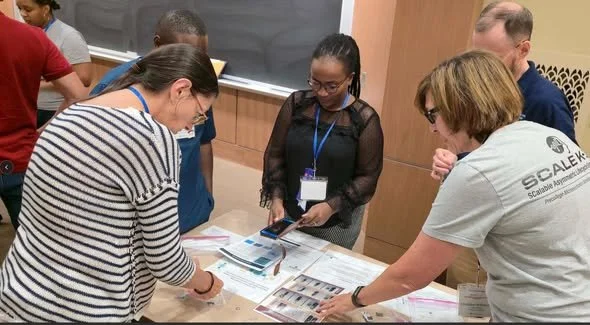
SCALE K-12 presented the interactive workshop, "Hands-on with K-12 STEM Integration Curricula Incorporating Microelectronics and AI," giving participants the opportunity to experience classroom-ready lessons firsthand. The workshop showcased how microelectronics and artificial intelligence can be authentically integrated into K-12 STEM instruction through engaging, hands-on learning experiences that connect engineering concepts to real-world applications.
We are grateful to Christine McDonnell, Imani Adams, and Tamara Moore for leading the workshop and sharing their expertise with educators from across the nation. Their session sparked meaningful discussions about preparing students for emerging technologies and future careers in the microelectronics workforce.

Advancing Research and Expanding Impact
New Research Highlights the Power of Vertical Alignment in Building the Future Microelectronics Workforce
A new peer-reviewed journal article authored by members of the SCALE K-12 leadership team and graduate researchers explores how school districts can create lasting, workforce-aligned engineering programs through a coordinated approach to curriculum design.
Published in a special issue focused on the systems that shape engineering education, "Vertical Alignment as a Systemic Strategy for Sustaining Workforce-Aligned K–12 Engineering Initiatives: A Collective Case Study of District-Wide Microelectronics Integration" examines how seven school districts worked to embed microelectronics education from kindergarten through high school.
The study demonstrates that vertical alignment is much more than curriculum planning. When implemented across an entire district, it becomes a systems-level strategy that helps educators identify instructional gaps, strengthen collaboration across grade levels and subject areas, and create meaningful learning progressions that connect classroom experiences to future careers.
Researchers found that successful implementation depends on strong leadership, collaboration among educators, and ongoing support throughout the planning process. Districts that participated in the initiative developed coherent plans that integrated engineering and microelectronics concepts across multiple disciplines while strengthening students' awareness of career pathways in the semiconductor industry.
As demand for a skilled microelectronics workforce continues to grow, this research provides evidence that district-wide vertical alignment is an effective and sustainable approach for preparing students with the knowledge, skills, and experiences needed for tomorrow's engineering careers.
Congratulations to the research team—Greg J. Strimel, Victoria Constantine, Deana Lucas, Emily M. Haluschak, Yubin Lee, Morgan M. Hynes, S. Selcen Guzey, and Tamara J. Moore—for contributing valuable insights that can help schools nationwide strengthen engineering education and workforce development.
New Research Explores What It Means to Be a Career-Ready Engineer

A new peer-reviewed journal article co-authored by members of the SCALE K-12 team examines the essential skills today's engineering graduates need to succeed in the rapidly growing microelectronics workforce.
Published in the Journal of Technology, Management, and Applied Engineering, "A Career-Ready Engineer: The Inextricable Nature of Professional and Technical Skills" highlights the importance of developing both technical expertise and professional competencies throughout engineering education.
Drawing on interviews with microelectronics professionals involved in hiring interns and early-career engineers, the research identifies the professional skills employers value most and demonstrates that these skills cannot be separated from technical knowledge. The study expands existing engineering education frameworks by providing an updated perspective on the competencies needed to prepare graduates for today's workforce.
The findings reinforce the importance of experiential learning, collaboration, communication, and engineering habits of mind while emphasizing the need for educational programs to intentionally cultivate professional skills alongside technical instruction. By bringing together perspectives from academia, industry, and the Defense Industrial Base, the research offers valuable guidance for educators and workforce development leaders seeking to prepare the next generation of engineers.
Congratulations to the research team—Jennifer S. Linvill, Emeline A. Ojeda-Hecht, Imani N. Adams, Emily M. Haluschak, and Tamara J. Moore—on this important contribution to engineering education and workforce development.
Milestones

PhD Candidacy Milestone
We're excited to share that Yash Garje has successfully passed his preliminary exam and advanced to PhD candidacy. His dissertation explores how middle school student teams learn interdisciplinary engineering through robotics in the age of Generative AI, examining how AI-supported collaboration influences students' engineering thinking and problem-solving. Congratulations to Yash on this significant milestone—we're excited to welcome him to the SCALE K-12 team this summer and look forward to the impact of his research.
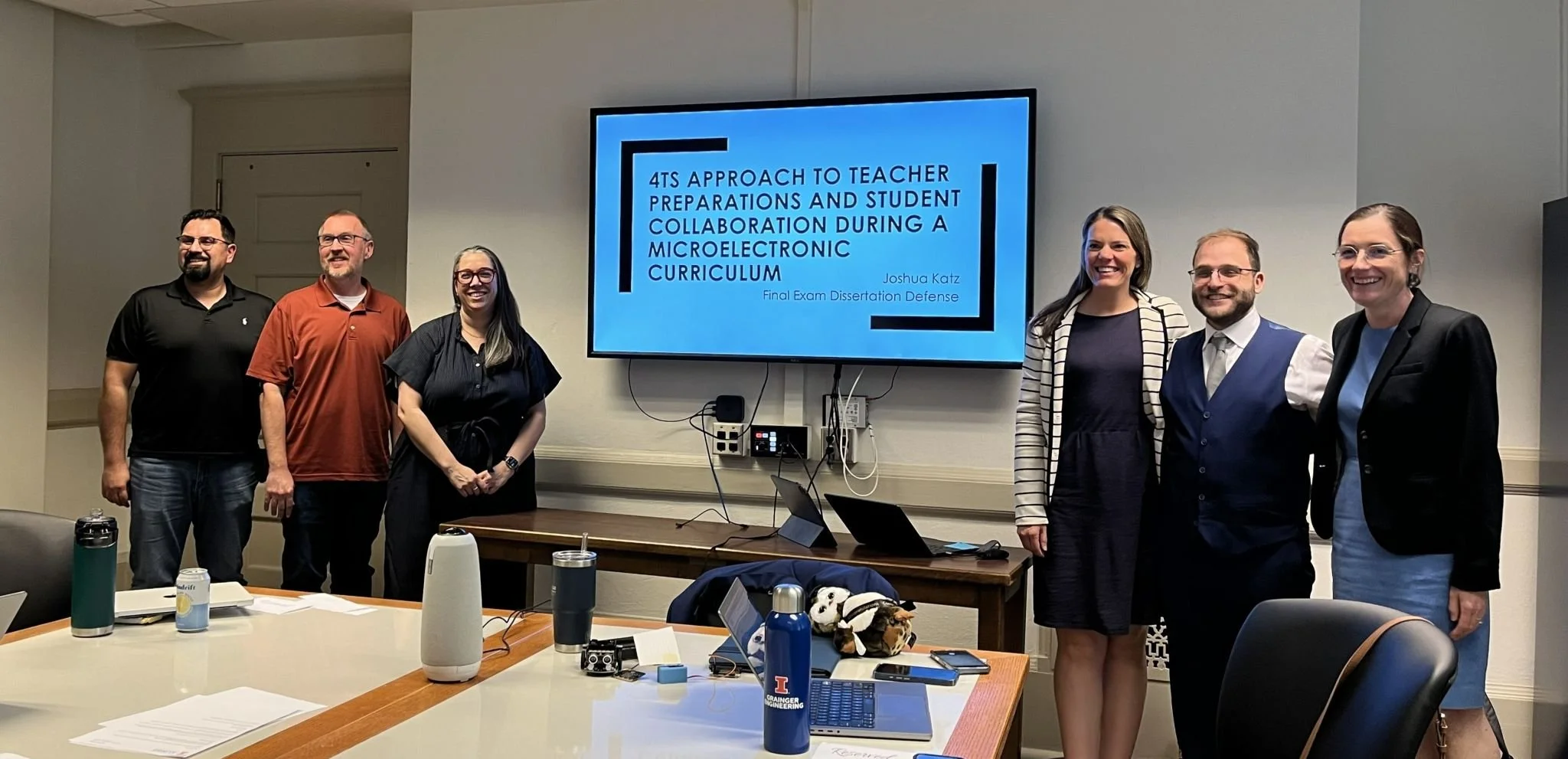
Congratulations to Dr. Josh Katz
Congratulations to Joshua E. Katz, Ph.D., on earning his doctorate! Josh, a member of the SCALE K-12 team supporting our expansion efforts in Illinois, successfully defended his dissertation, "4Ts Approach to Teacher Preparations and Student Collaboration During a Microelectronic Curriculum." His research contributes valuable insights to STEM education, teacher preparation, and collaborative learning in microelectronics. We are proud to celebrate this outstanding achievement and grateful for the expertise Josh brings to SCALE K-12.

Expanding Microelectronics Awareness Through Community Engagement
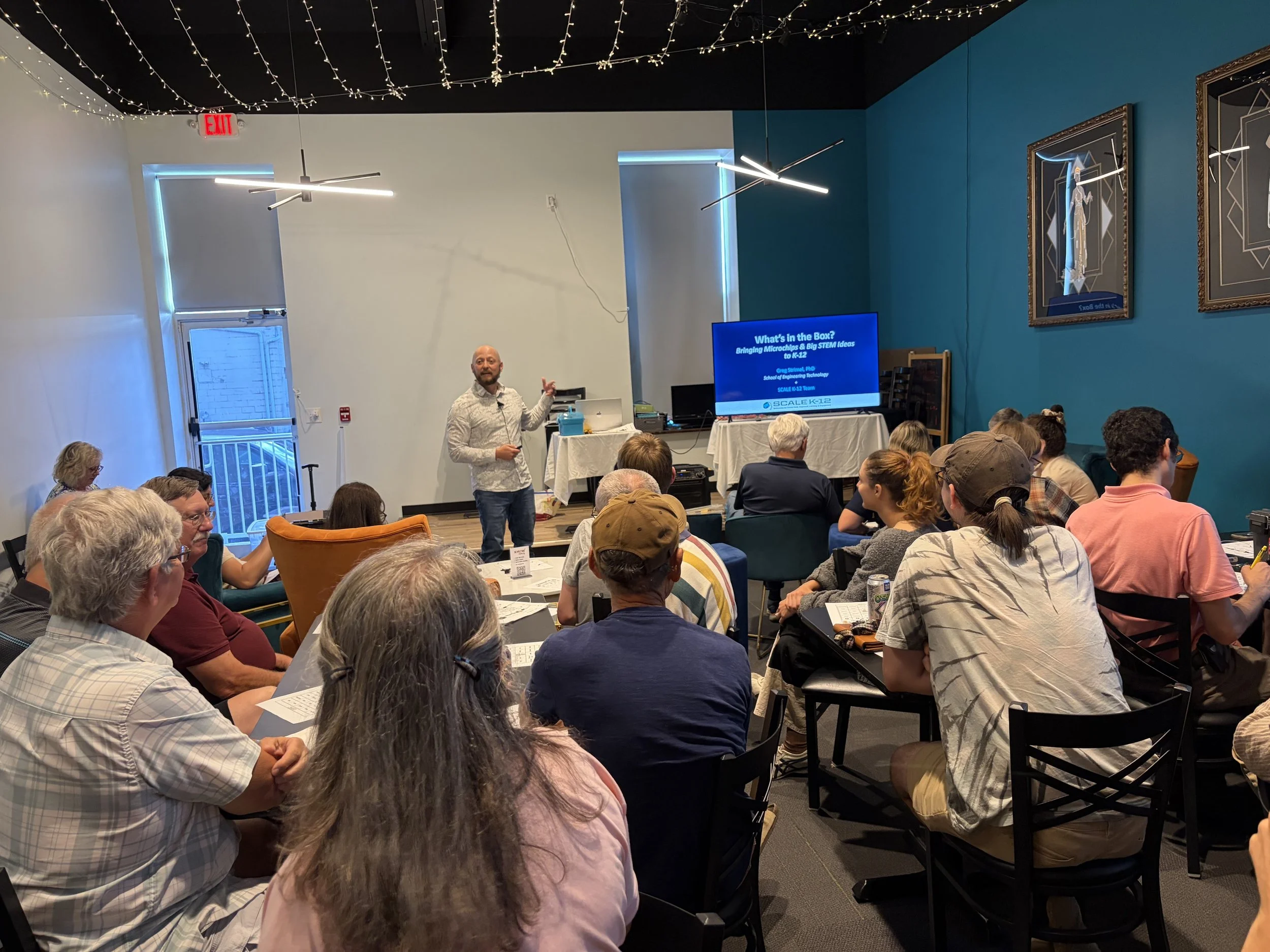
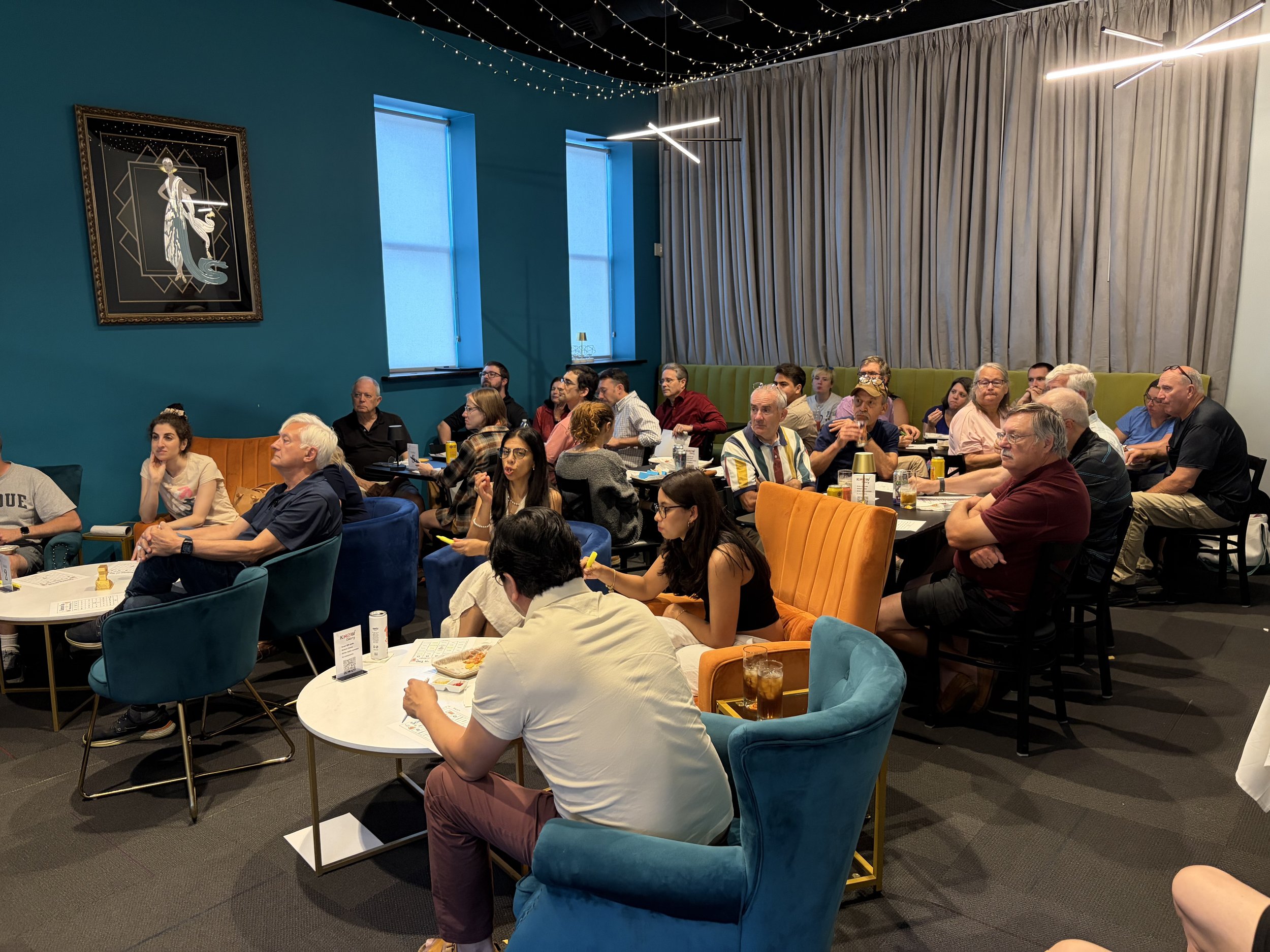
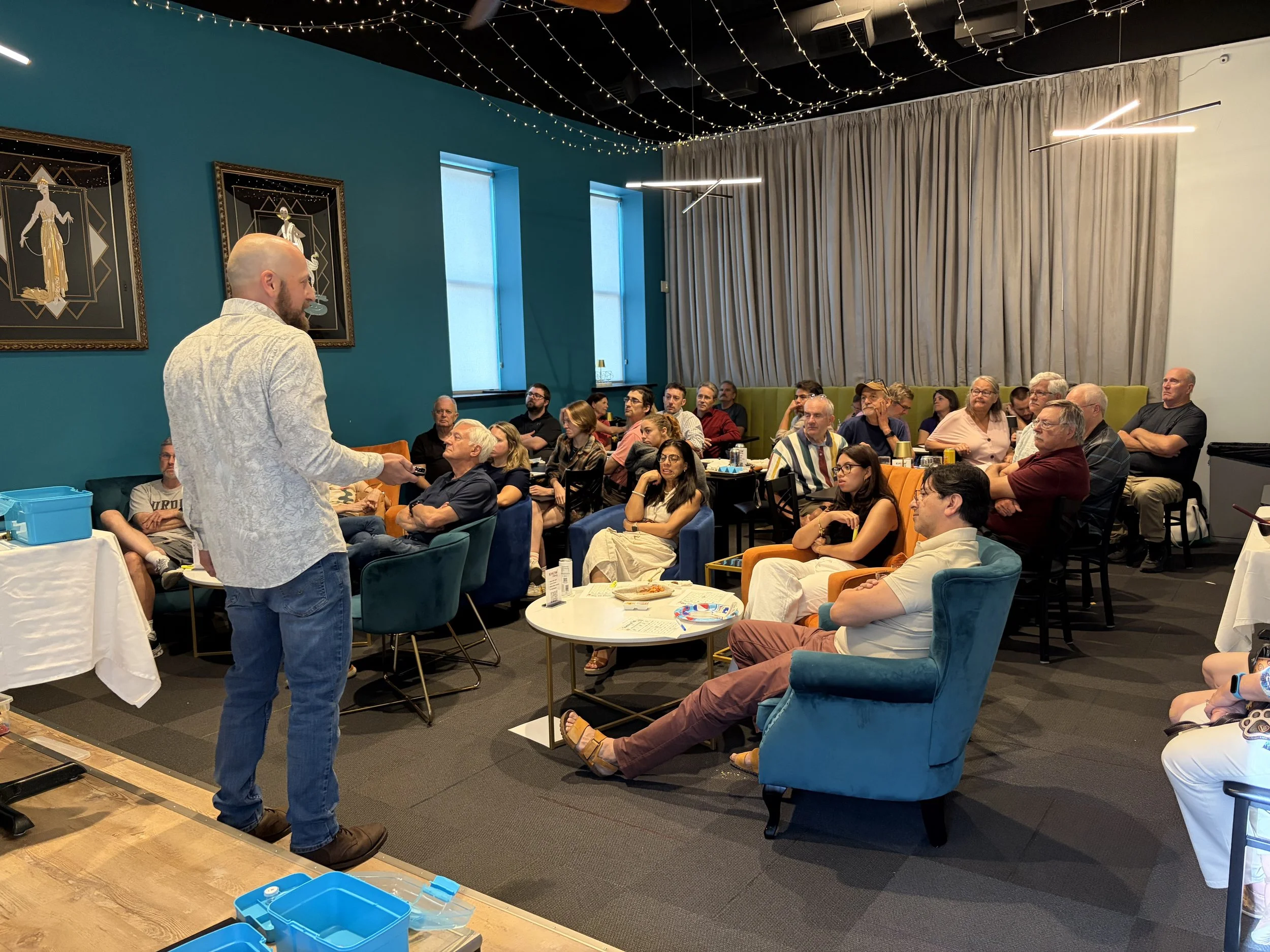
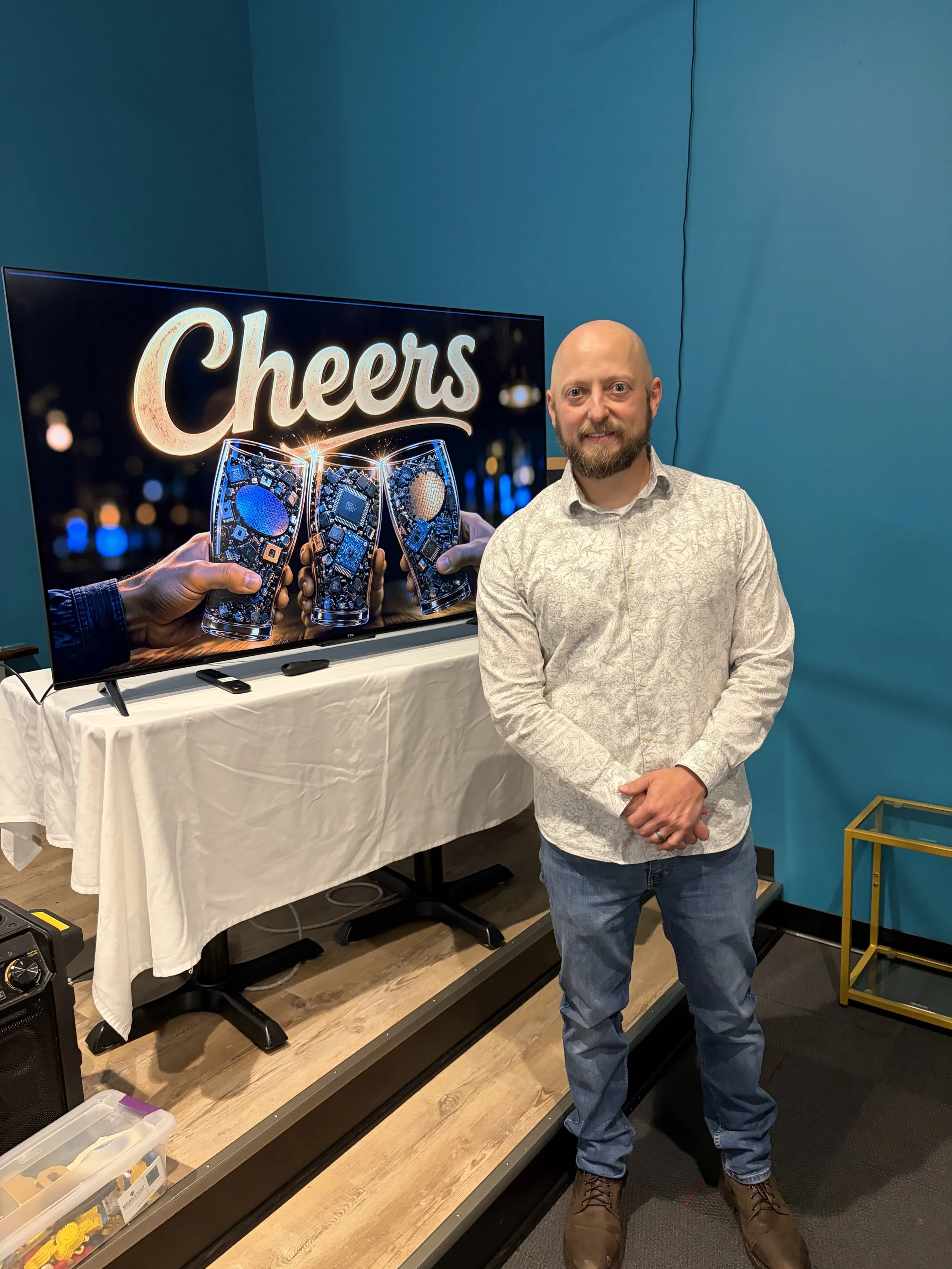
SCALE K-12 brought microelectronics learning beyond the classroom during Science on Tap Lafayette on July 30, giving community members a hands-on introduction to the technology that powers today’s world. Hosted at KNOW Eatery, the event featured an interactive presentation by Dr. Greg Strimel using the What's in the Box? curriculum.
Attendees worked together to solve puzzles, unlock a mystery box, and test microchips while learning how semiconductor chips are made and exploring foundational concepts such as transistors and binary. Participants also examined curriculum kit components and experienced firsthand how interactive, inquiry-based activities can make complex engineering concepts accessible and engaging.
Dr. Tamara Moore, Emily Haluschak, Silas Owens, and Brady Barnes joined Dr. Strimel to support the event, engage with participants, and share more about SCALE K-12’s work in microelectronics education.
Thank you to Dr. Rachel Higbee for organizing another successful Science on Tap Lafayette event and creating opportunities for the community to explore STEM through curiosity, collaboration, and discovery.

Empowering Educators to Transform Classrooms
Summer Teacher Workshop Week
Each summer, SCALE K-12 brings together educators, researchers, faculty, staff, and graduate students for an immersive week of professional learning, collaboration, and curriculum development. This year's Summer Teacher Workshop Week welcomed more than 100 participants from across Indiana and beyond, all united by a shared goal: preparing students for the future through engaging, high-quality STEM and microelectronics education.
Throughout the week, teachers strengthened their knowledge of emerging technologies, explored new instructional strategies, and collaborated with the SCALE K-12 team to prepare for classroom implementation. Participants engaged in interactive breakout sessions, worked alongside curriculum developers to refine instructional units, and shared ideas with fellow educators, creating a collaborative learning community centered on innovation and student success.
The week also included two dedicated days for the Noyce Microelectronics Master Teacher Fellows, who participated in specialized professional learning designed to deepen their expertise, strengthen leadership skills, and support their role as champions for microelectronics education within their schools and districts.
From hands-on learning experiences to meaningful collaboration, the week reflected the power of bringing educators together to learn, create, and prepare the next generation of innovators.
Learning Together: Breakout Sessions
Throughout the week, teachers selected from six breakout sessions designed to strengthen both classroom practice and technical understanding. Topics ranged from artificial intelligence and classroom integration to engineering education, instructional strategies, and emerging technologies, giving educators opportunities to tailor their professional learning.
Making Printed Circuit Boards: Using Your CNC Router
Educators learned how to use a CNC router to fabricate printed circuit boards while exploring creative, classroom-ready applications that connect engineering, design, and microelectronics through hands-on making.
Exploring the MOMENTUM Mobile Unit
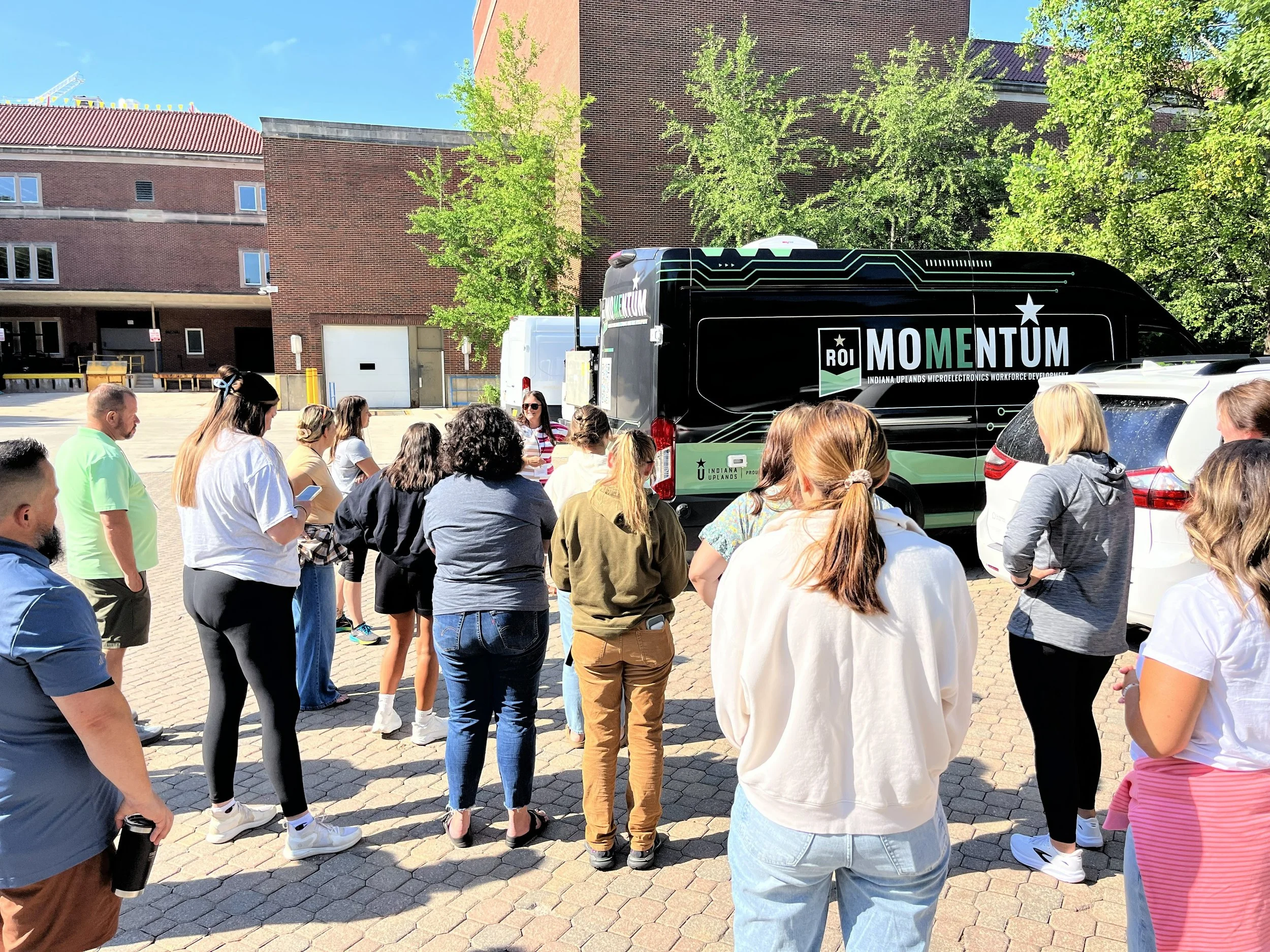
Participants experienced a hands-on preview of the MOMENTUM Mobile Unit, exploring engaging activities that introduce students to microelectronics through circuits, electronics tools, virtual reality, and real-world problem solving.
Exploring ME, AI, & Automation
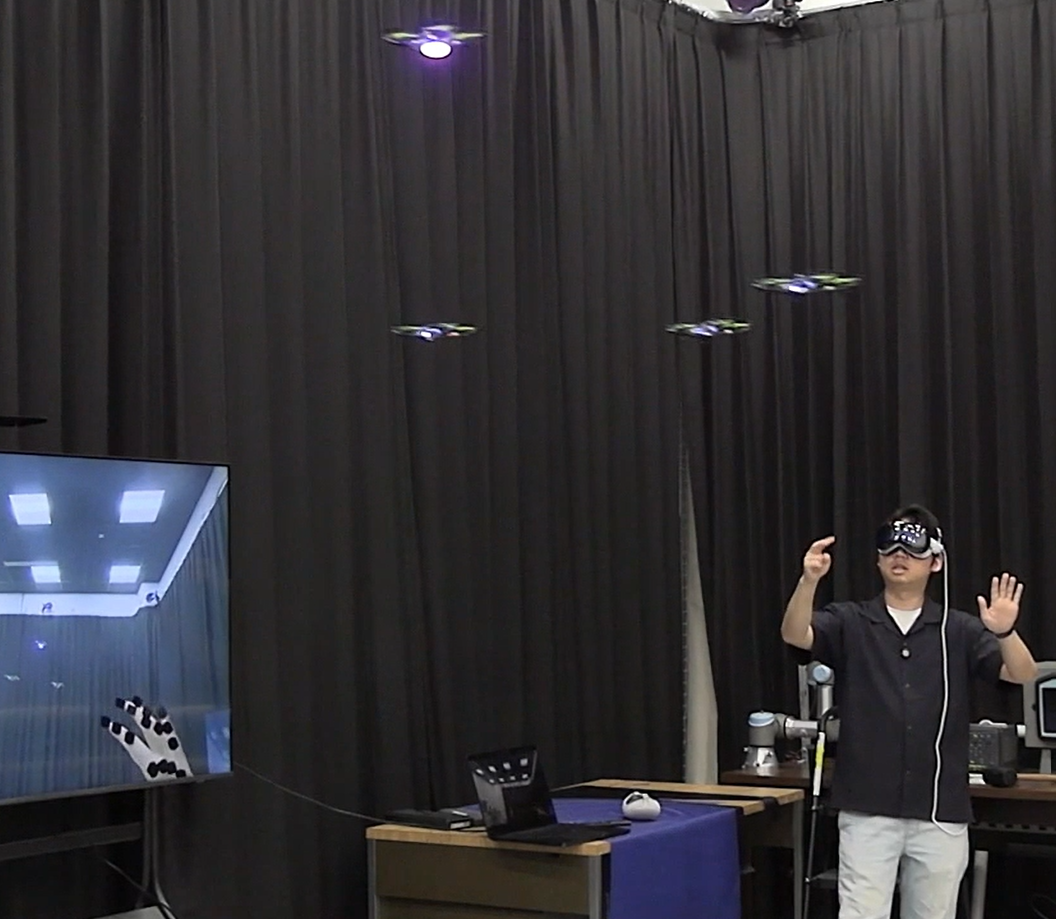
Teachers discovered how microelectronics, sensors, and artificial intelligence power autonomous systems through interactive learning experiences and a behind-the-scenes tour of Purdue's robotics laboratory featuring autonomous drones.
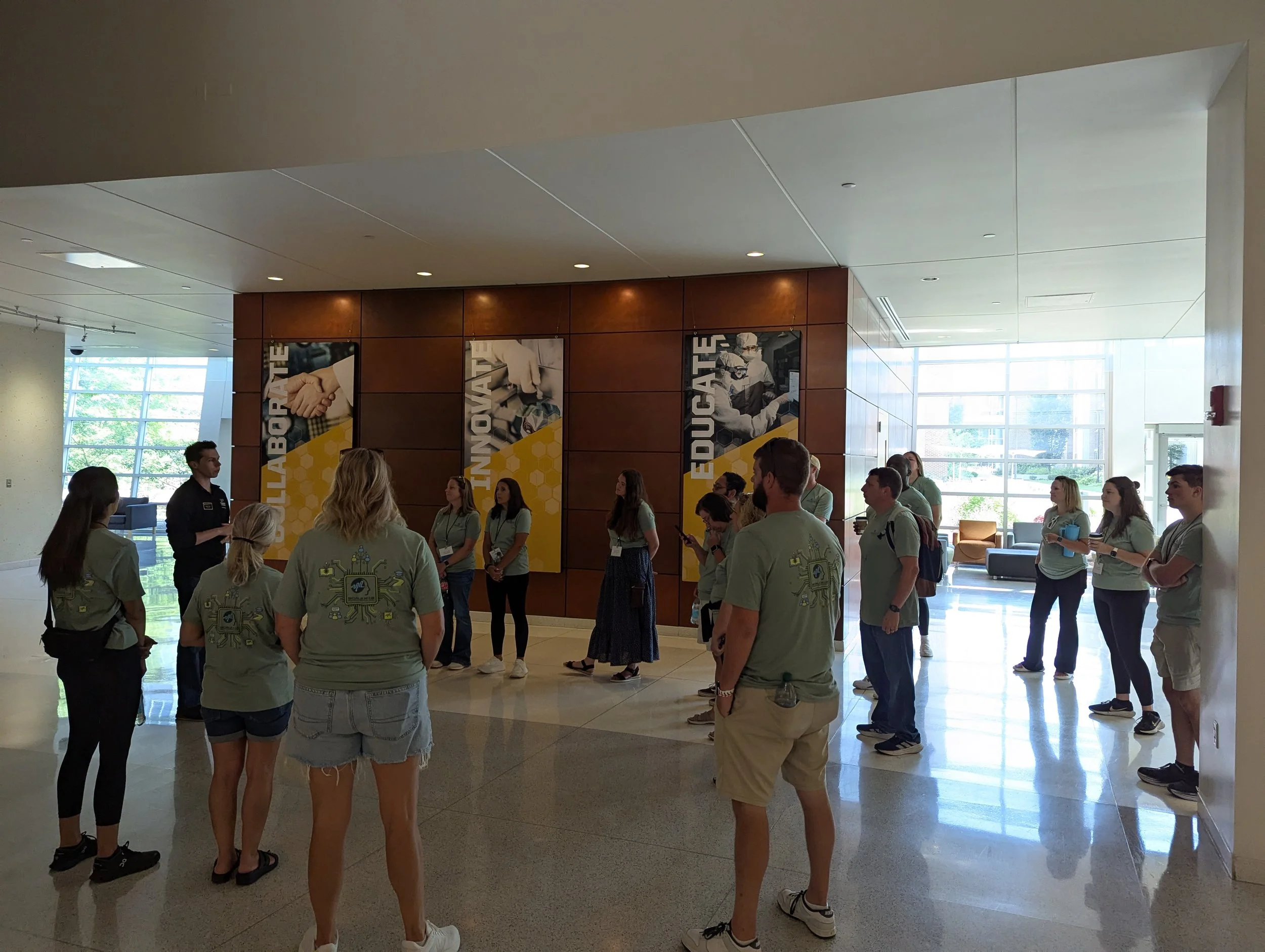
Birck Nanotechnology Center Tour
Participants toured Purdue's world-class Birck Nanotechnology Center, gaining a behind-the-scenes look at cutting-edge research facilities and the advanced technologies driving innovation in microelectronics, healthcare, energy, and advanced manufacturing.
Empower, Discover & Build – Student Career Pathways
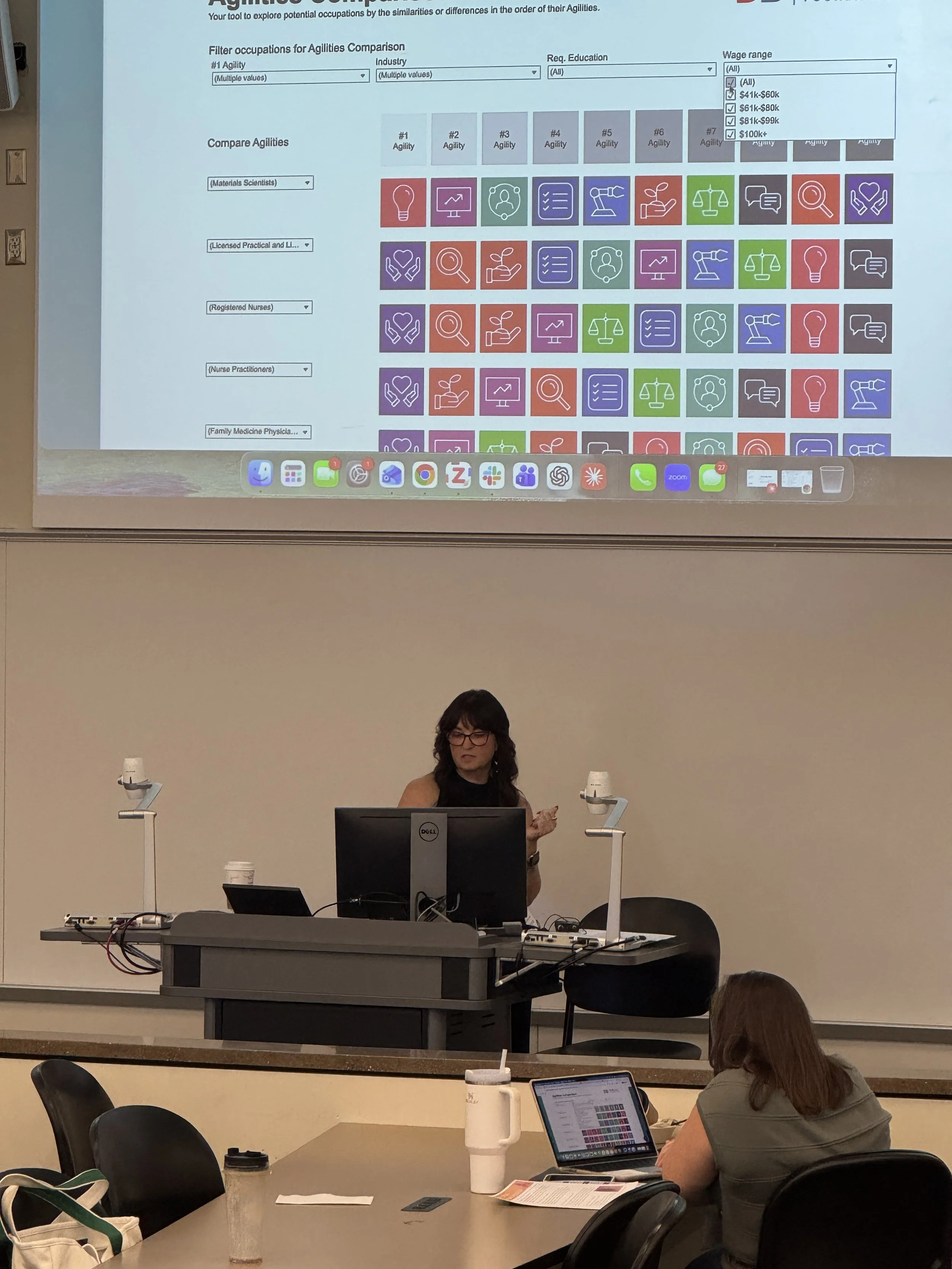
Educators explored research-based strategies and ready-to-use resources to help students discover their strengths, connect classroom learning to careers, and navigate pathways into high-demand fields like microelectronics.
Troubleshooting ME
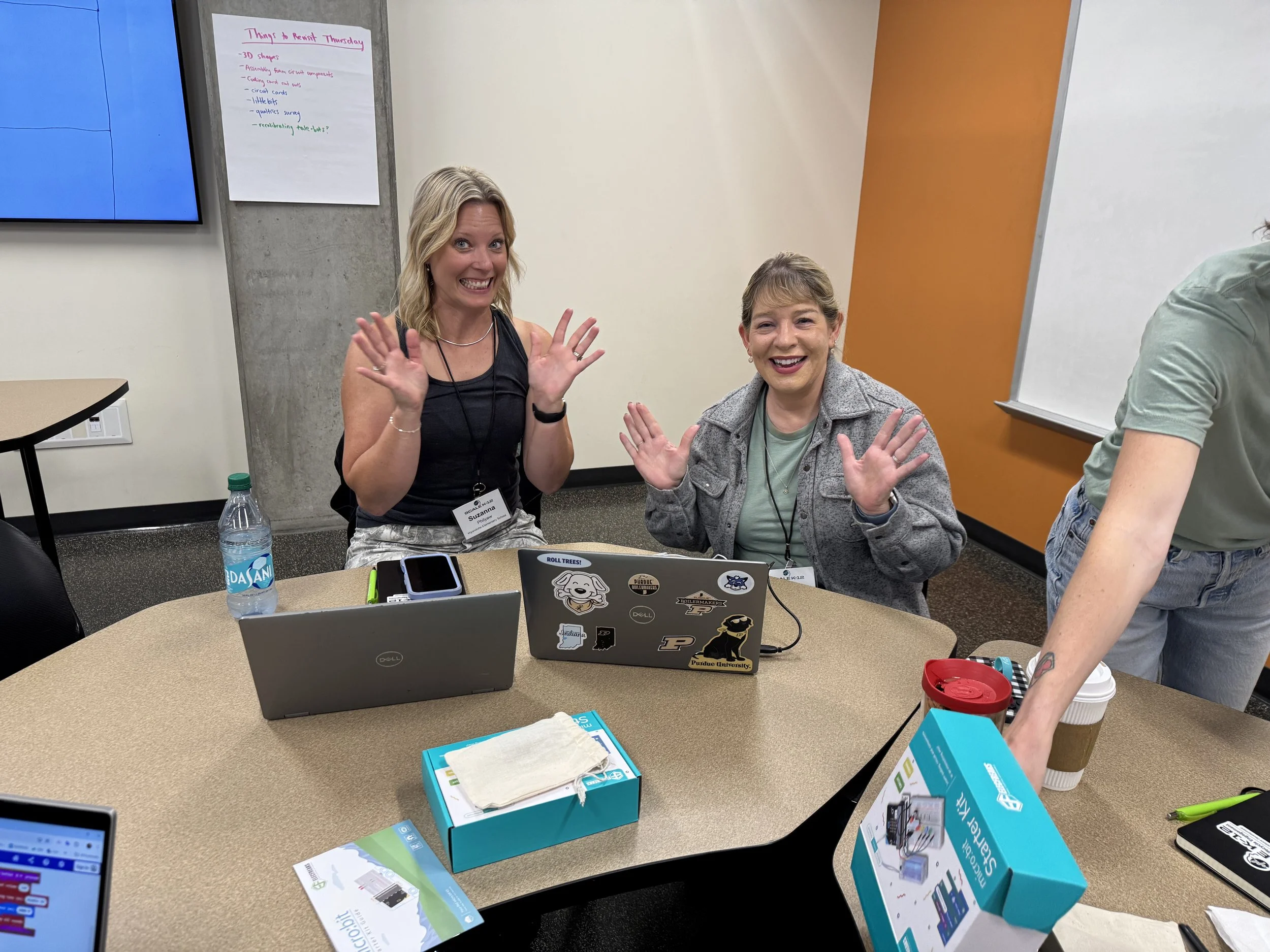
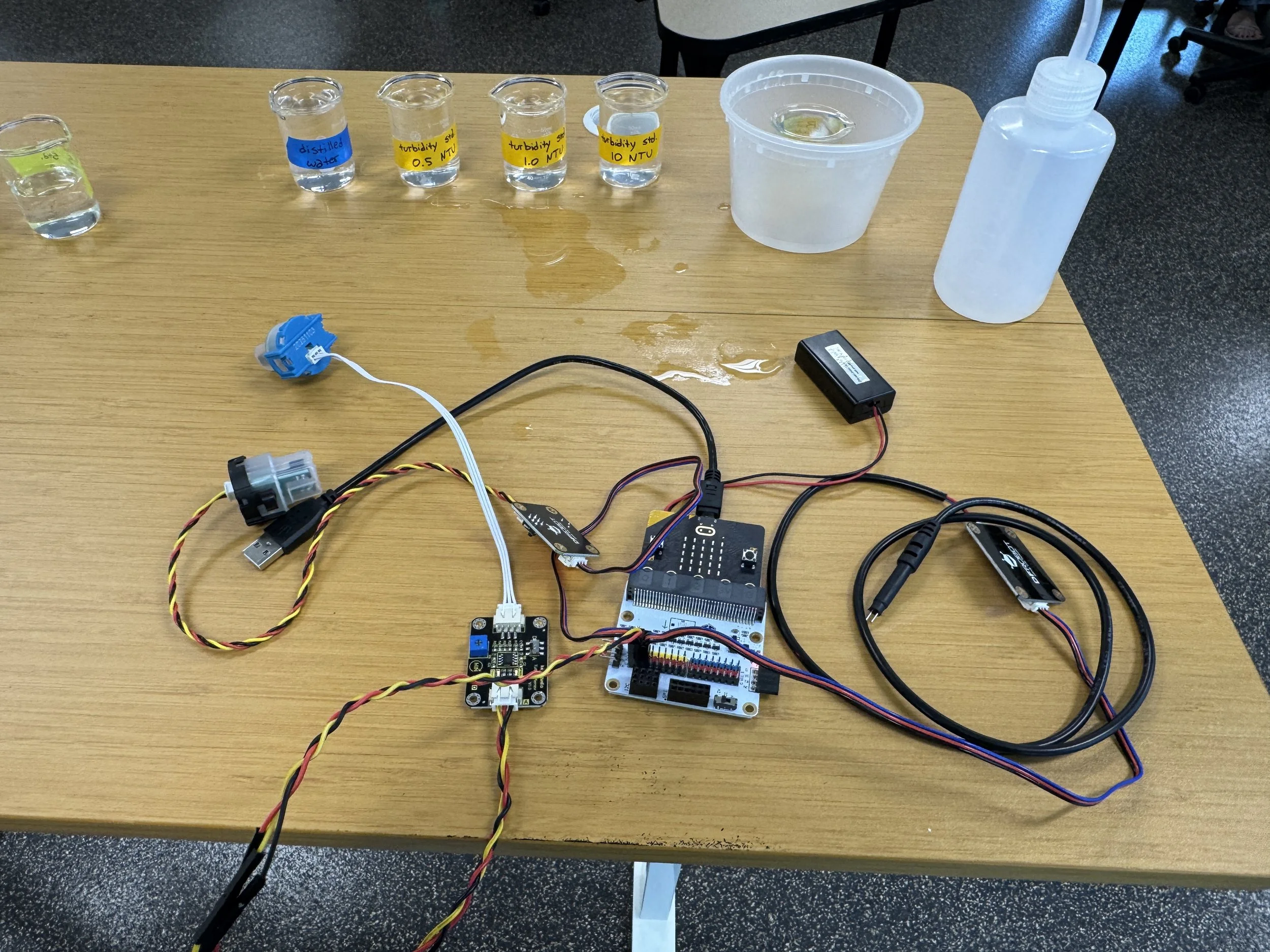
Through hands-on activities with the micro and Microsoft MakeCode, teachers built confidence troubleshooting hardware and software challenges while learning practical strategies to support student success in physical computing lessons.
Curriculum in Action
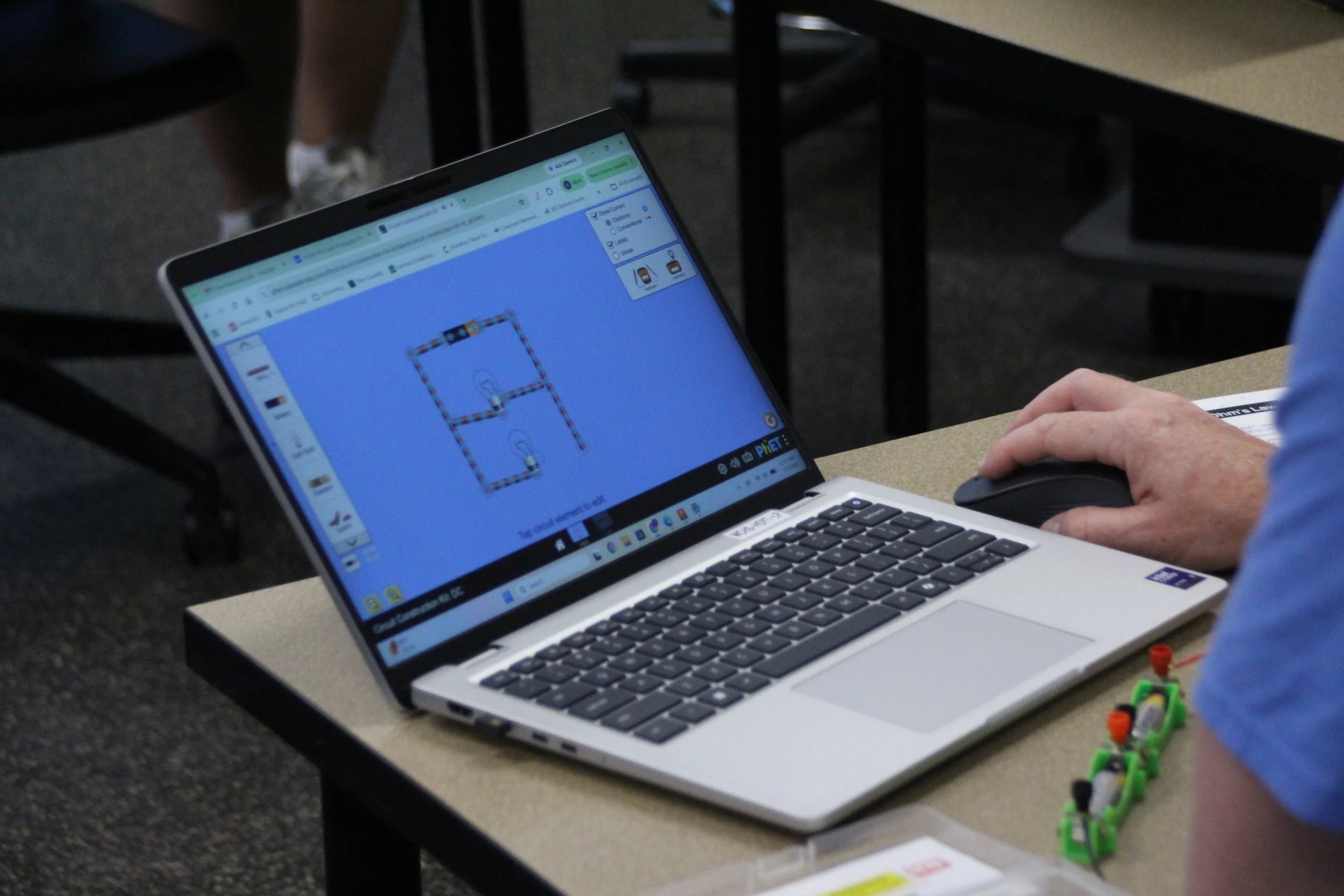
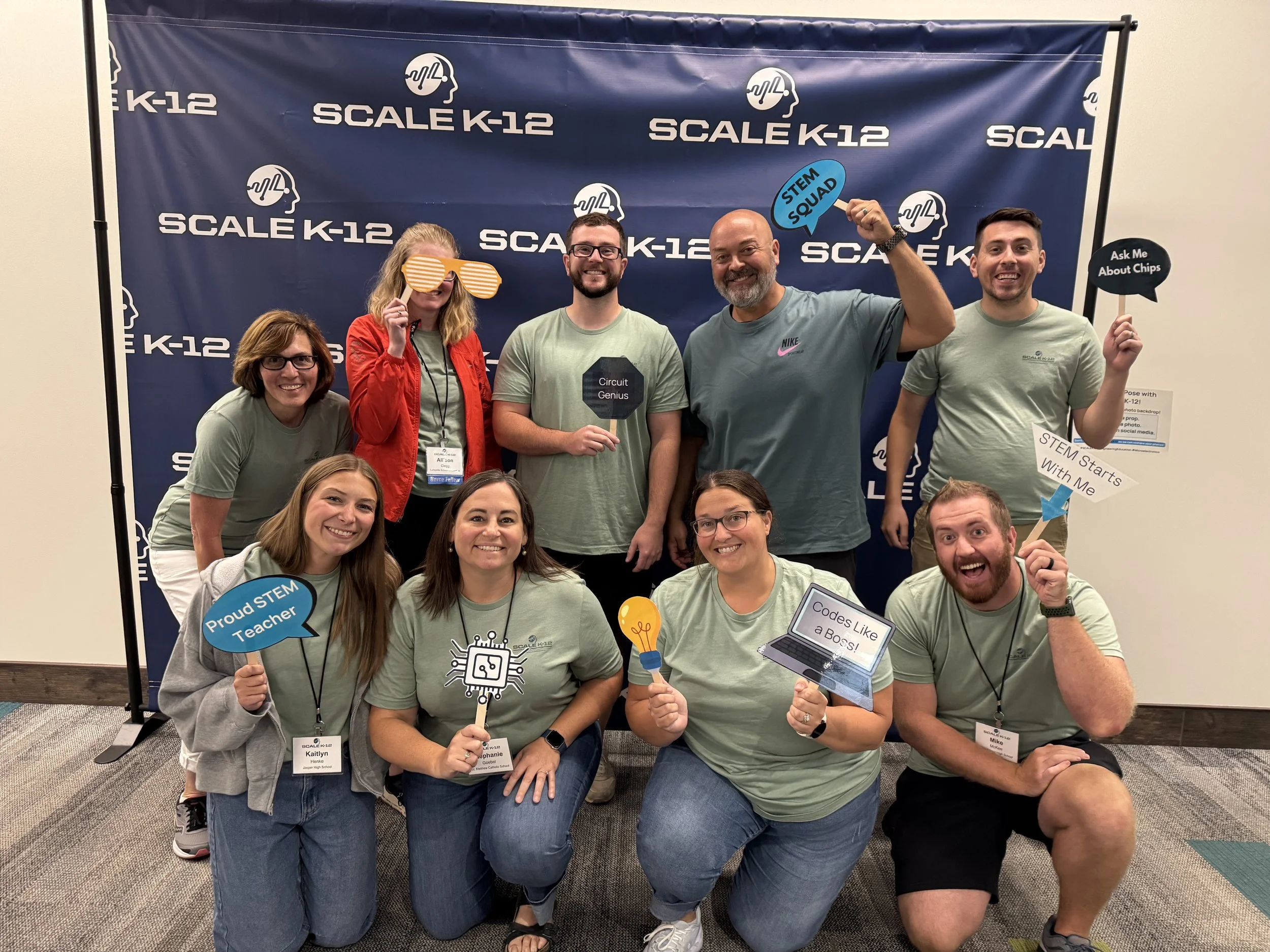
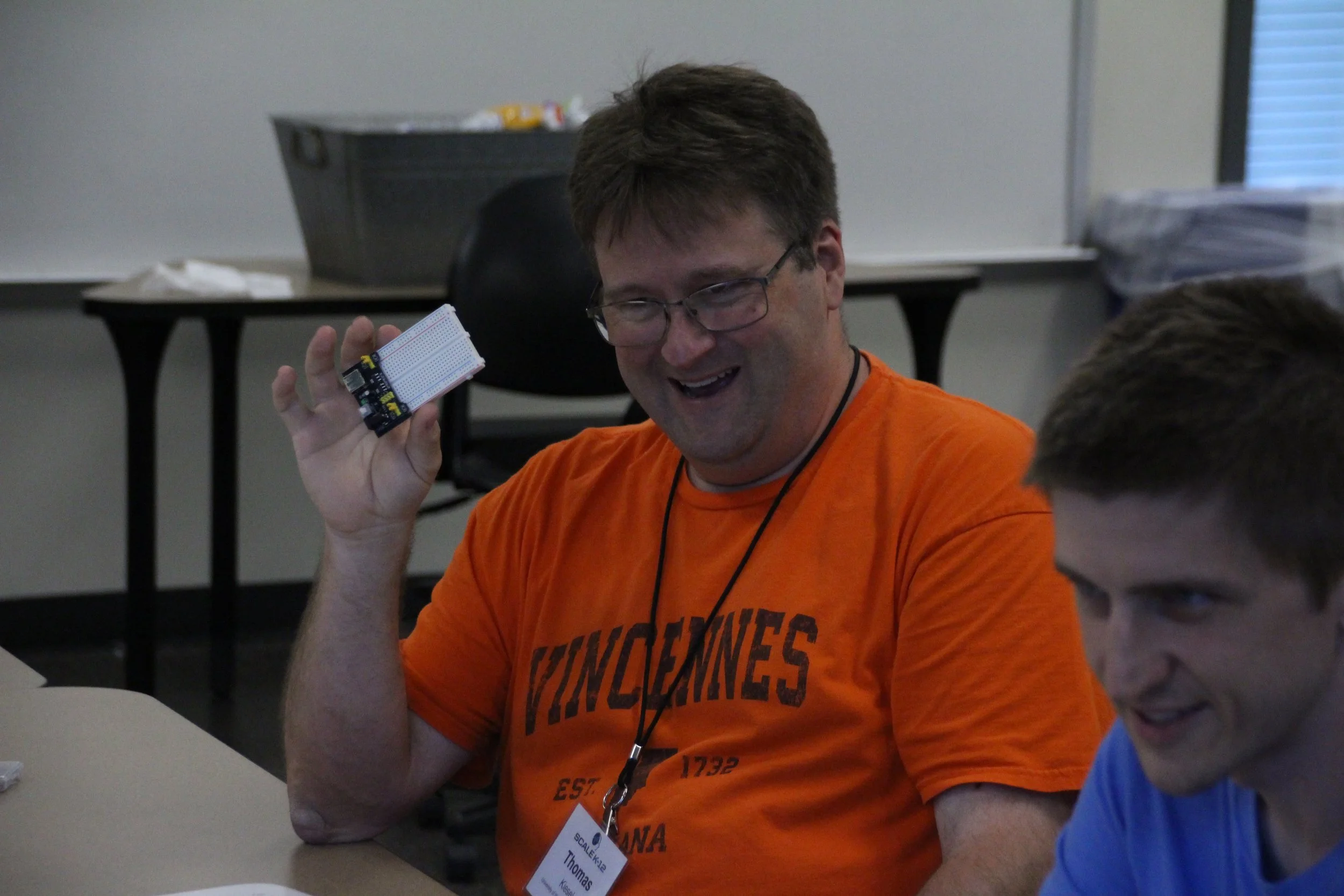
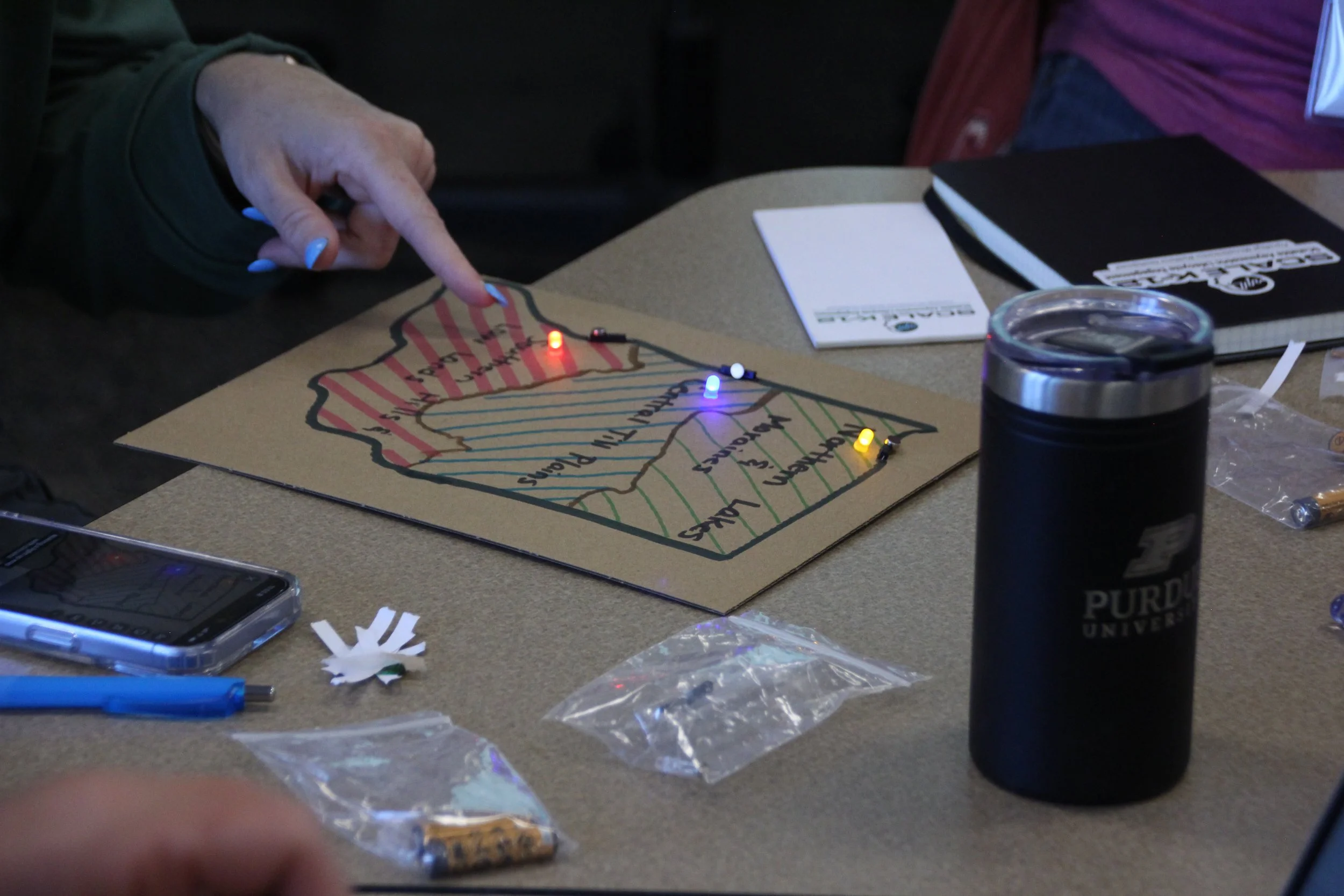
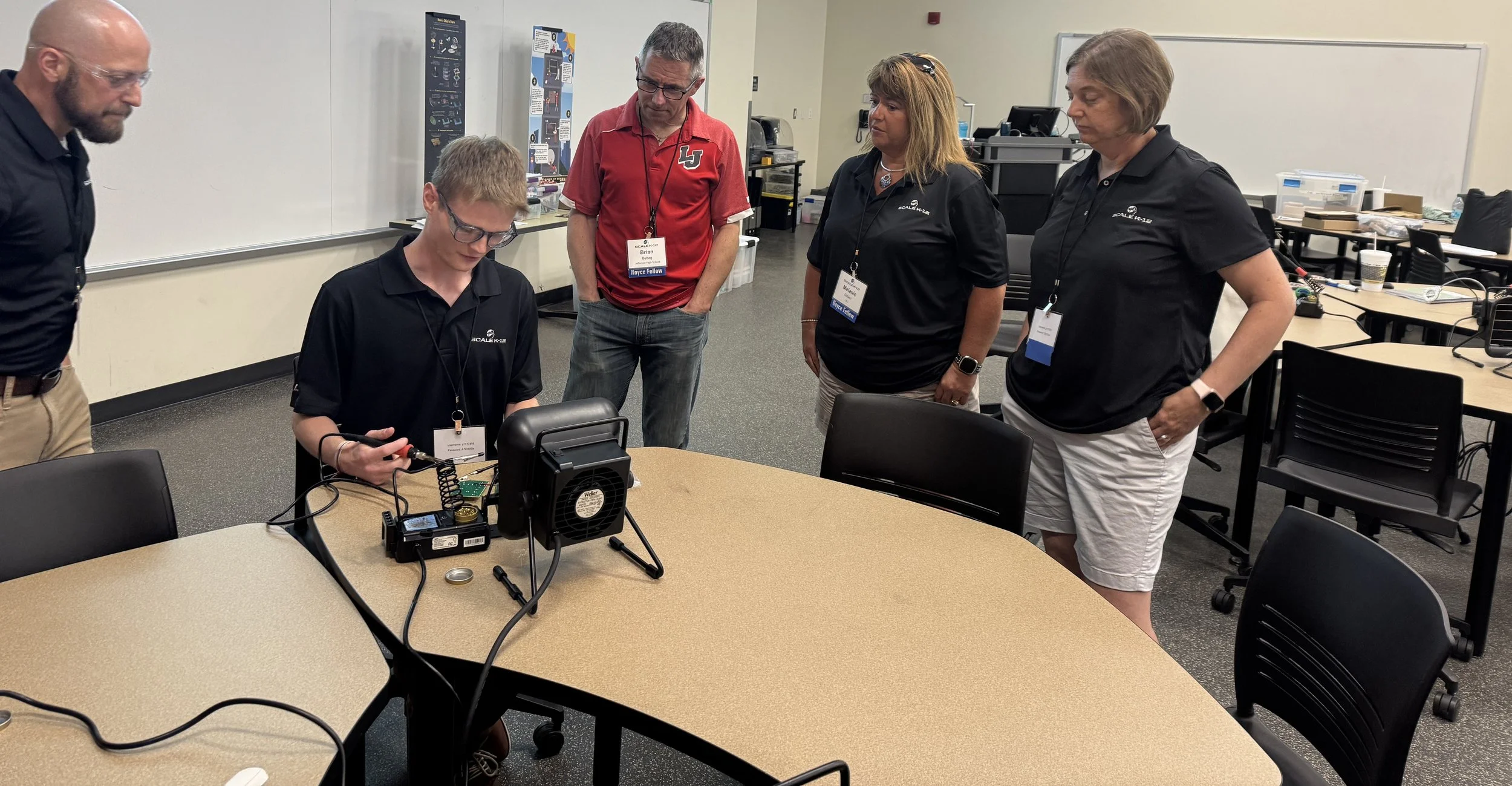
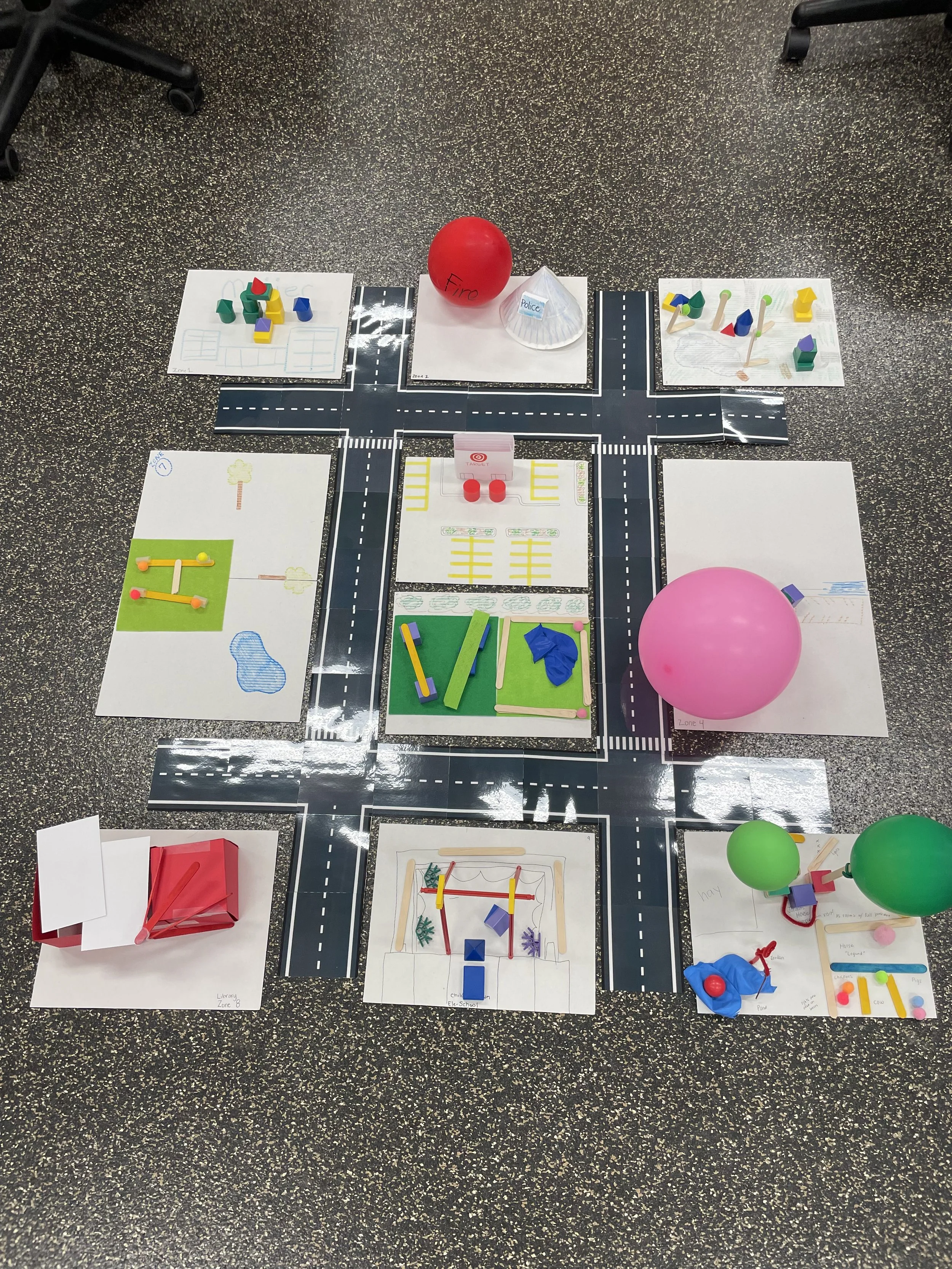
Following the breakout sessions, educators joined their curriculum implementation teams to prepare for the upcoming school year. Working alongside SCALE K-12 curriculum developers, Purdue faculty, staff, and graduate students, teachers explored lesson materials, participated in hands-on activities, discussed classroom adaptations, and shared ideas for successful implementation.
This year, teachers collaborated across nine SCALE K-12 instructional units, strengthening both the curriculum and their confidence in bringing it to life in their classrooms. These collaborative planning sessions provided opportunities to ask questions, test materials, exchange best practices, and build a network of support that extends well beyond the workshop week. By the end of the week, educators left equipped with the knowledge, resources, and confidence to engage students in meaningful, hands-on learning experiences that connect STEM concepts to the exciting world of microelectronics.
Noyce Teacher Fellows
The week concluded with a dedicated two-day institute for the Noyce Microelectronics Master Teacher Fellows, providing specialized professional learning designed to prepare fellows to lead the expansion of microelectronics education in their schools and communities. Through collaborative learning experiences, participants deepened their understanding of microelectronics concepts while strengthening their instructional practices and leadership skills.
Fellows explored strategies for successful curriculum implementation, collaborated with peers to share ideas and solve challenges, and built lasting connections with fellow educators, Purdue faculty, staff, and graduate students. Together, they developed a strong professional learning community committed to advancing high-quality STEM education and expanding opportunities for students.
As leaders within the SCALE K-12 network, the Noyce Fellows will serve as mentors, advocates, and champions for microelectronics education, helping support fellow educators, inspire students, and strengthen pathways to future careers in this rapidly growing field.
Workshop Week at a Glance
100+ educators, Purdue faculty, staff, and graduate students participated
6 interactive breakout sessions featuring hands-on learning and emerging technologies
9 curriculum implementation teams preparing SCALE K-12 instructional units for classroom use
2-day Noyce Microelectronics Master Teacher Fellows Institute focused on leadership and implementation
Countless opportunities for collaboration, networking, and sharing best practices
One shared mission: Preparing the next generation of innovators through high-quality microelectronics education
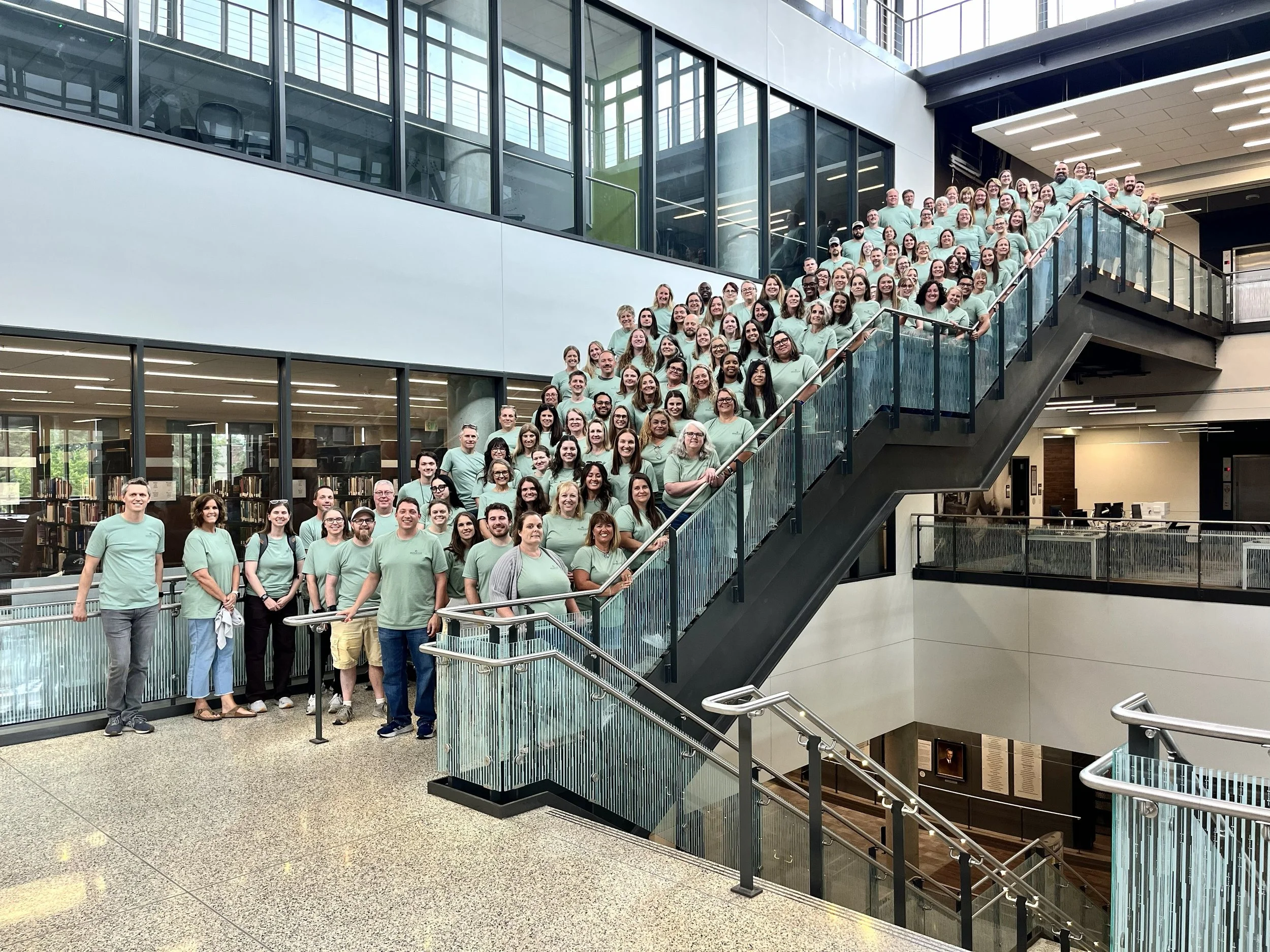
Michigan Teacher Workshop Week
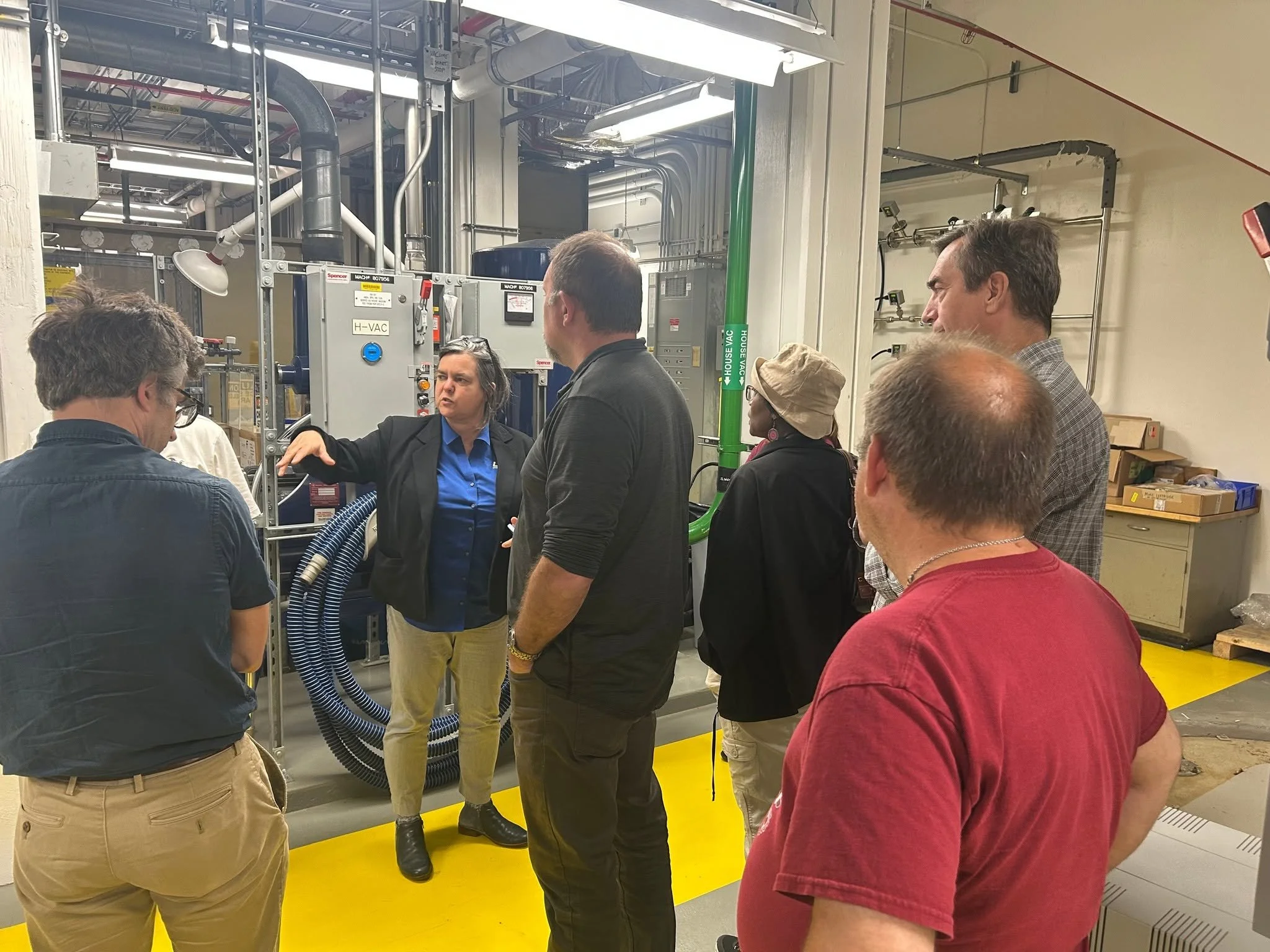
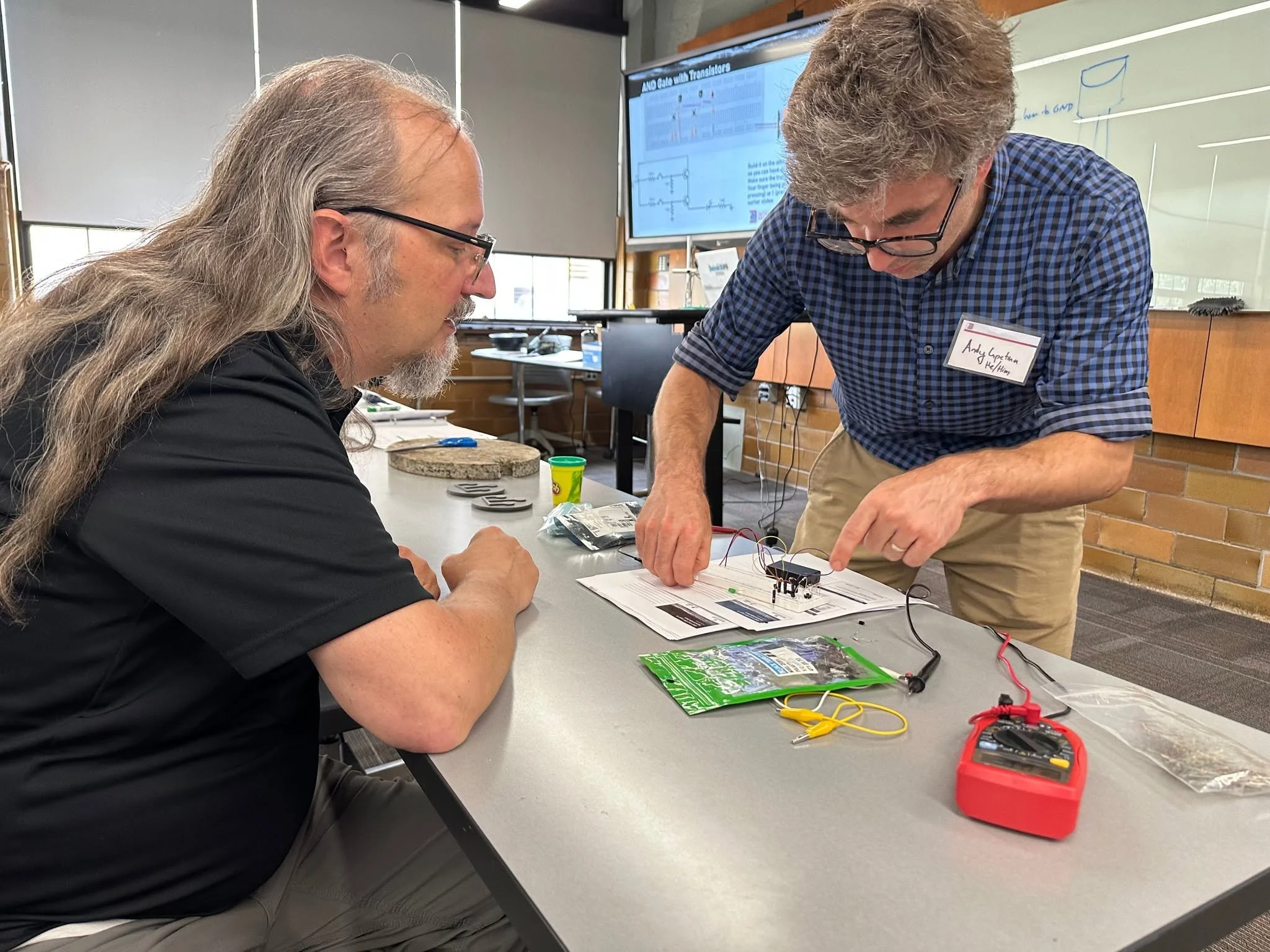
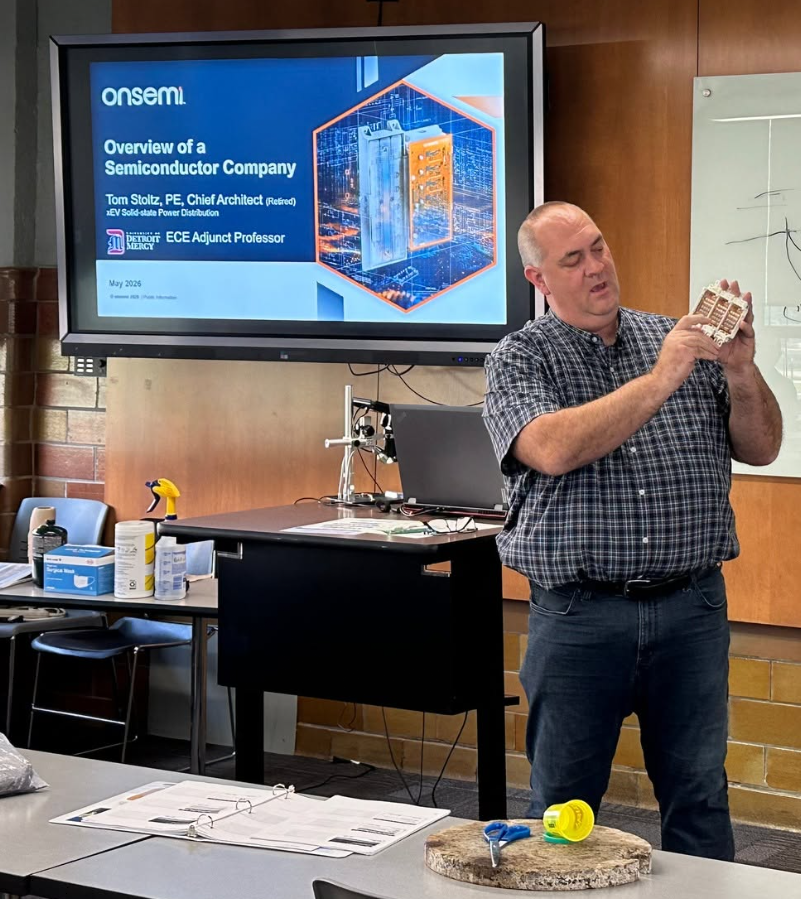
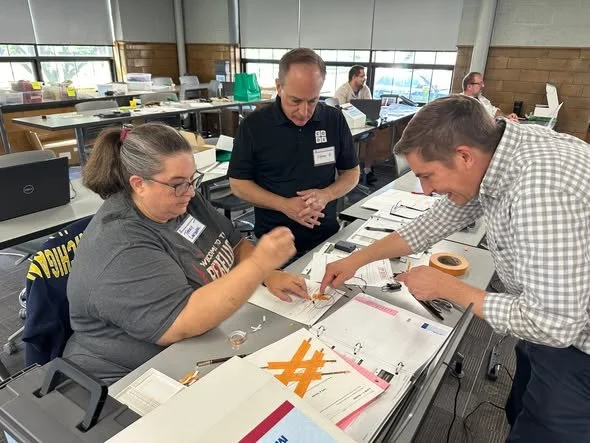
SCALE K-12 continues to expand its impact through growing partnerships with educators across Michigan. During our latest Teacher Bootcamp, teachers explored new ways to integrate microelectronics and semiconductor concepts into their robotics classrooms through hands-on, classroom-ready experiences. We are grateful for the dedicated educators investing their time to prepare students for future opportunities in the semiconductor workforce and look forward to seeing these lessons implemented in classrooms across Michigan.
Illinois Teacher Workshop Week
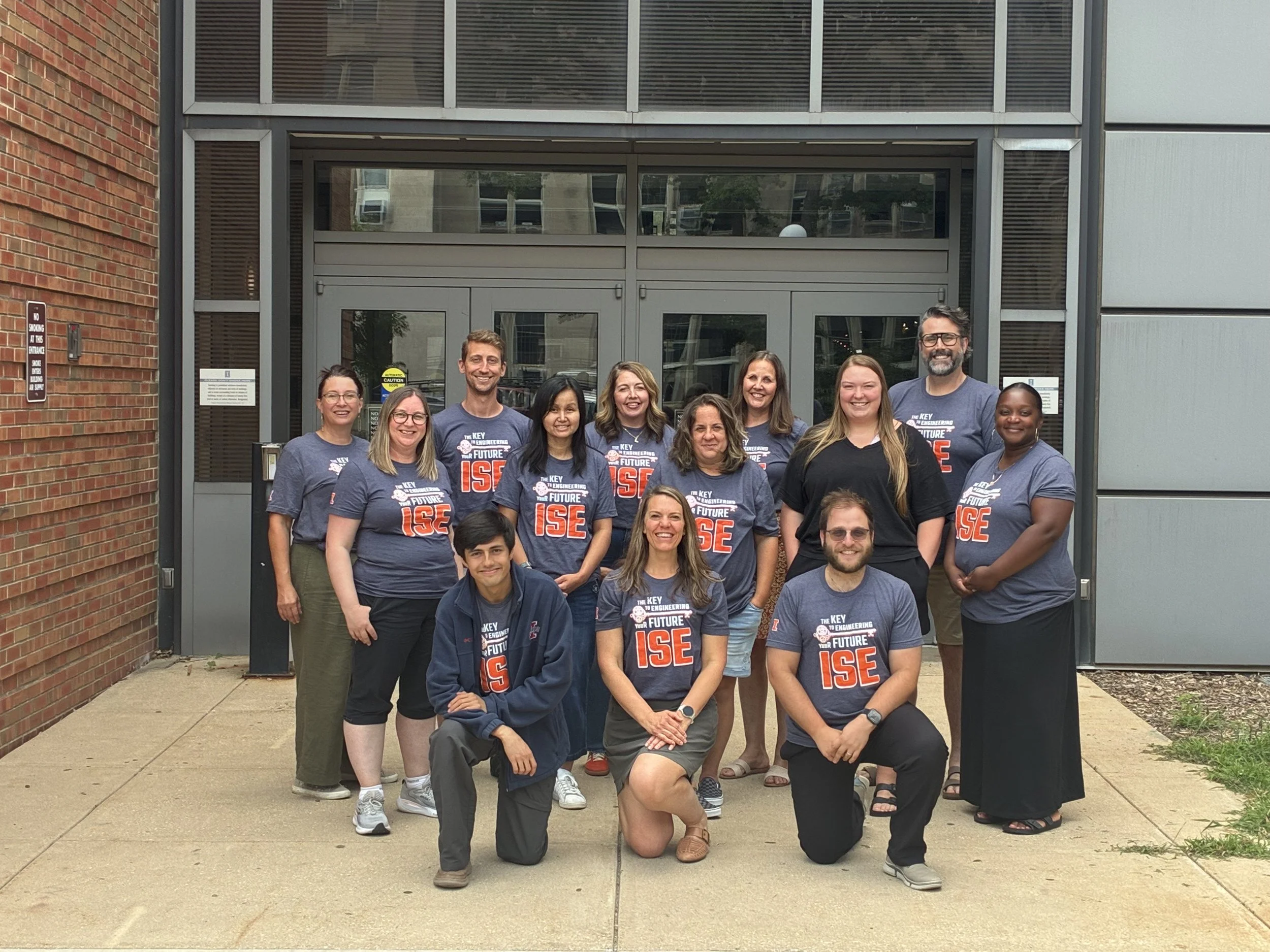
The Illinois SCALE K-12 team, led by Prof. Molly Goldstein, hosted a three-day workshop for ten local pre-college teacher partners from Champaign-Urbana. The workshop introduced them to “Novel Engineering”, a unique integrated curriculum for teaching engineering and literacy in pre-college classrooms. During this unit, teachers utilize literature as the foundation for an engineering design challenge, where students identify problems that arise from the book and engage in the engineering design process. They develop and generate solutions for the client(s), who are basically the characters in the novel. The teachers received a box kit of classroom materials and micro:bits to facilitate Novel Engineering in their classrooms. Throughout the workshop, teachers worked with hands-on materials and learned the basics of coding using micro:bits through Microsoft MakeCode. The teachers also collaborated with each other and the Illinois team to plan how to facilitate Novel Engineering within their current curriculum, aligning them with state standards and objectives.
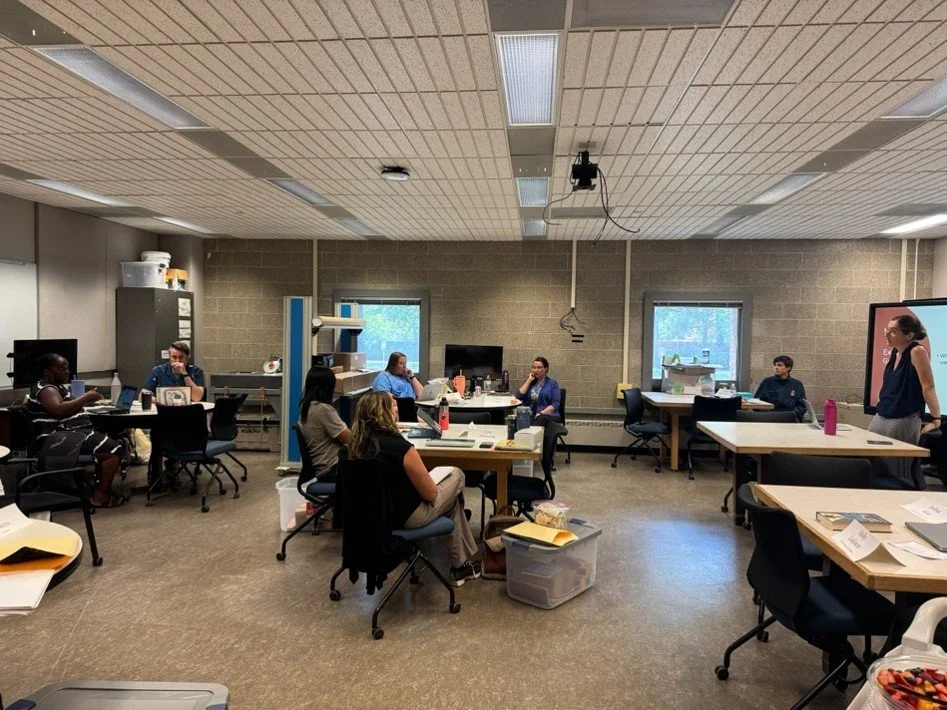
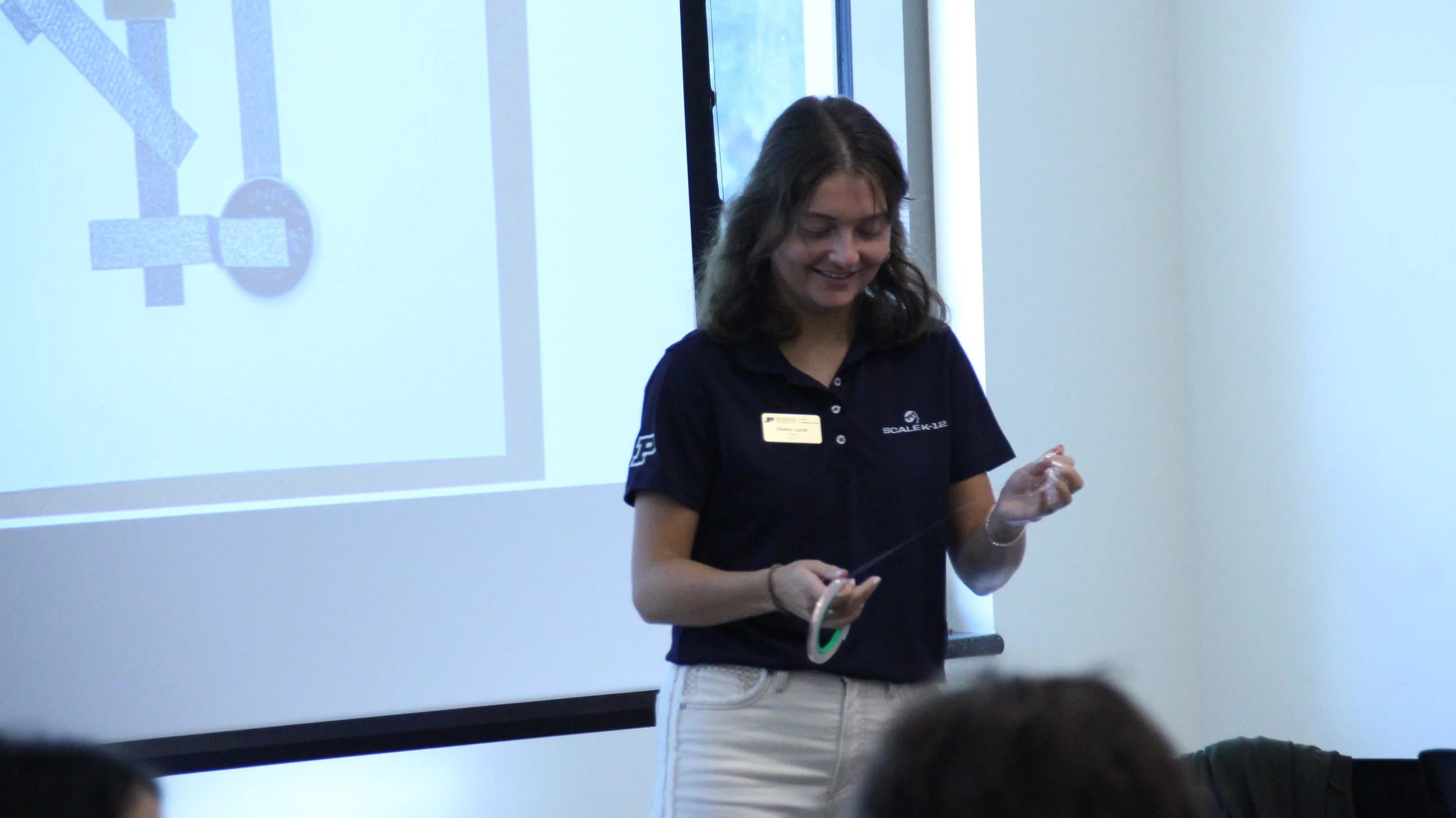
One session, led by Prof. Emma Mercier (College of Education), as shown below, discussed professional development in effective collaborative learning. Another session focused on historical storytelling in partnership with the Spurlock Museum.
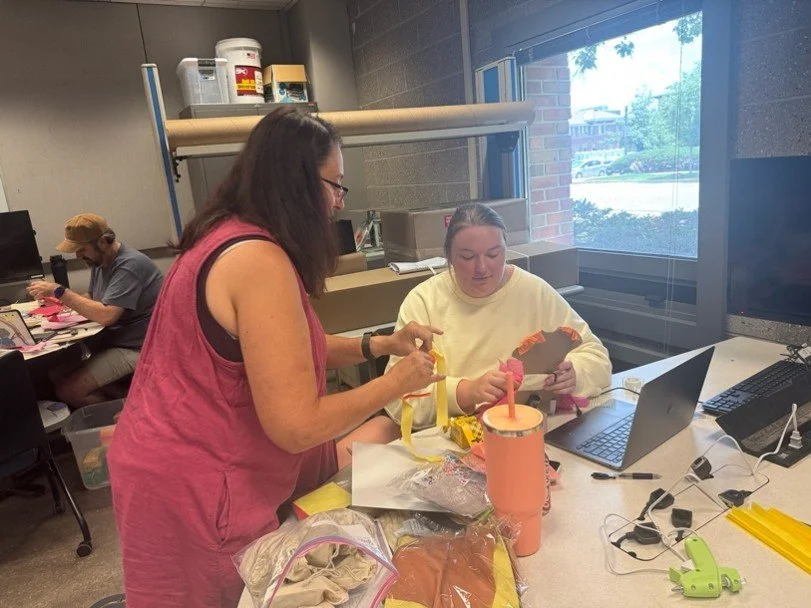
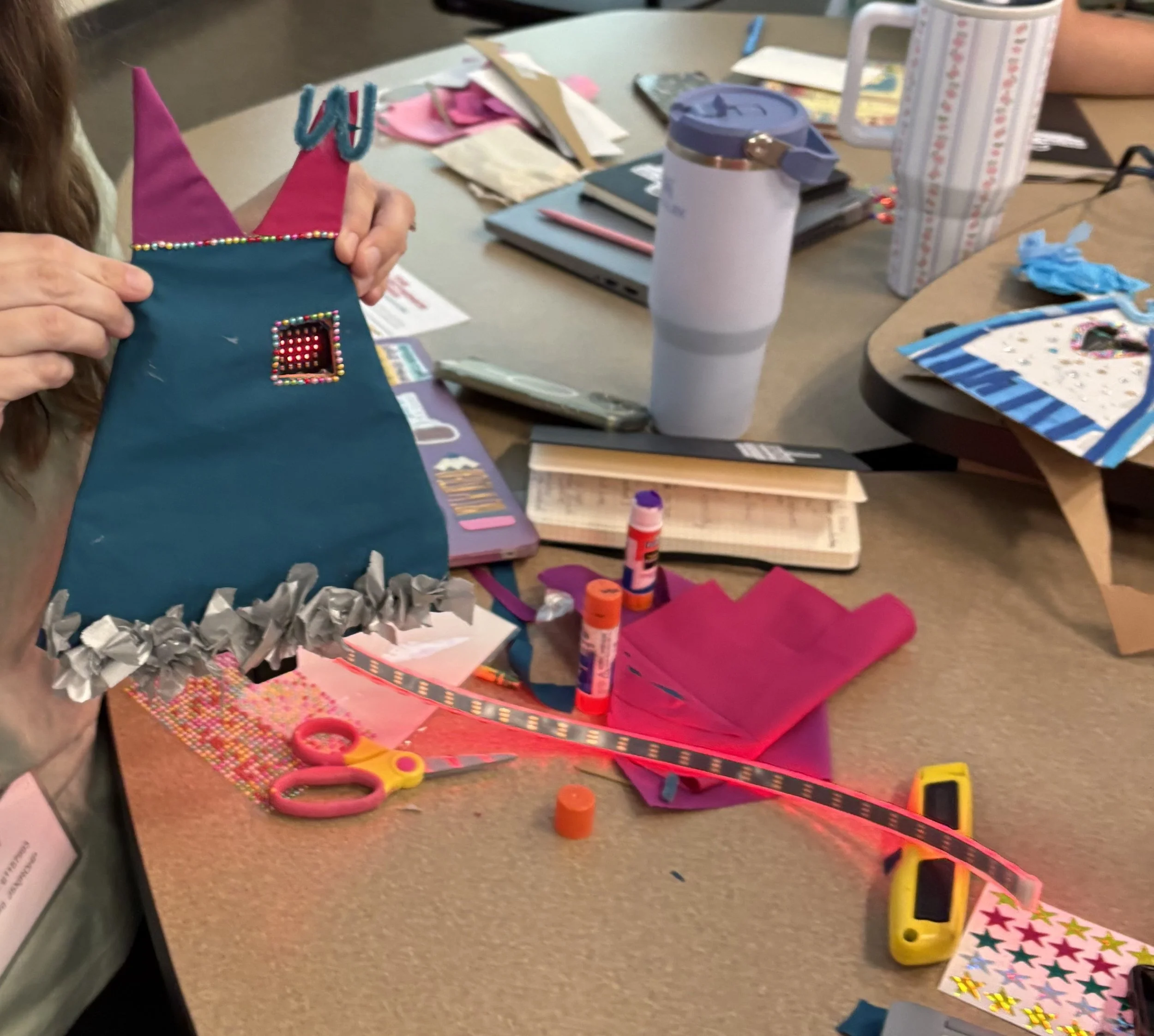
A main hands-on component of the workshop was reading “The Hundred Dresses” by Eleanor Estes. Following the reading, the participants created dress prototypes using the materials, Micro:bits, and block-based coding. This session allowed the teachers to be in student shows for the day before developing their own instructional materials for their classrooms.
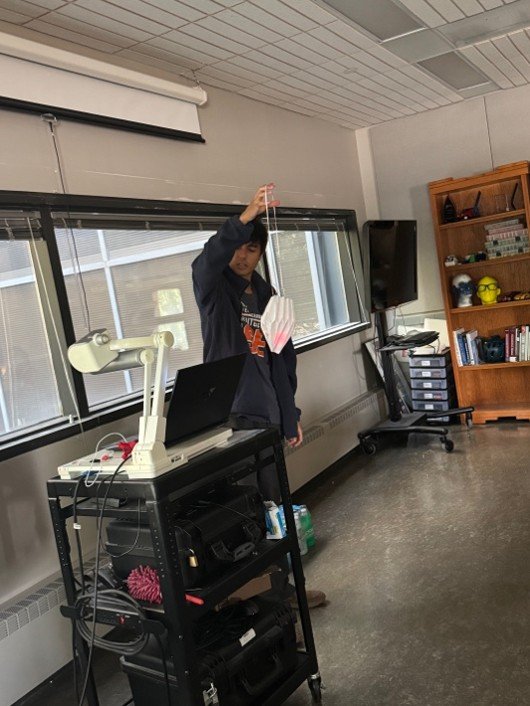
PI Prof. Molly Goldstein was joined by postdoctoral researcher Joshua Katz and undergraduate research assistant Benjamin Cerda-Menchaca to deliver training on engineering design, coding, and microelectronics. Benjamin created fantastic engineering examples from elementary school books to inspire and inform the teachers.
Joshua provided hands-on troubleshooting and advice from his time teaching technology and engineering in the pre-college and higher education classrooms.

Inspiring the Next Generation of Innovators
Inspiring Future Engineers Through Purdue INSPIRE Camps
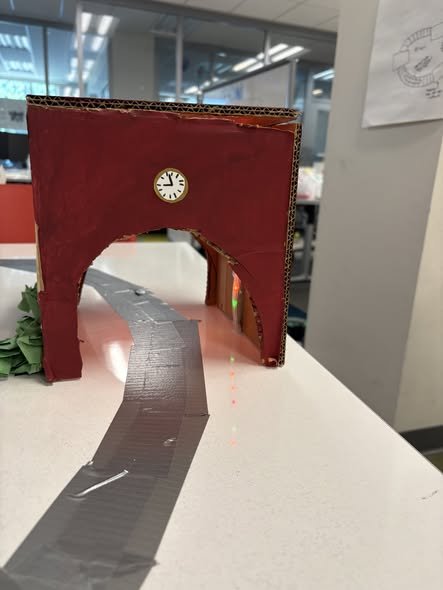
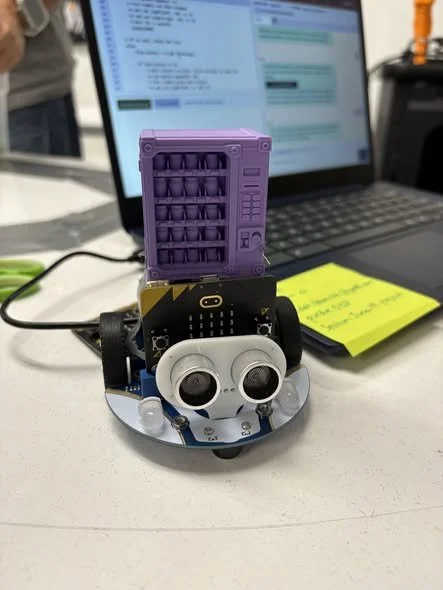
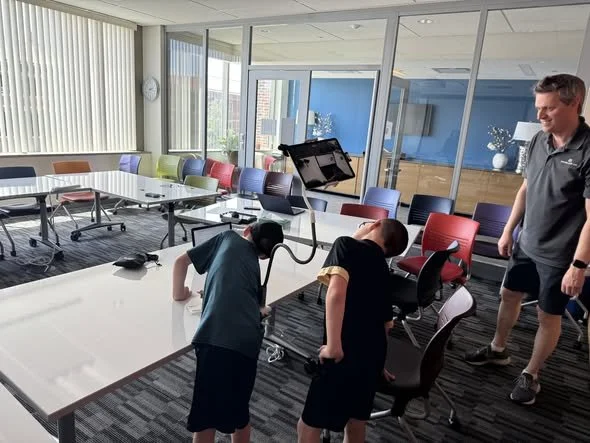
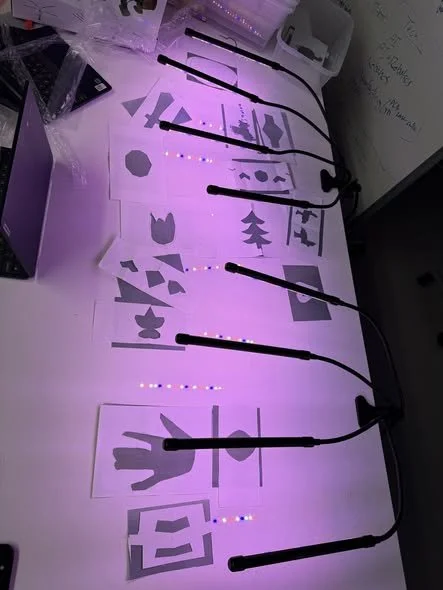
This summer, SCALE K-12 partnered with Purdue INSPIRE to engage students in grades 1–9 through three weeks of hands-on STEM learning experiences. Designed for elementary and middle school students, the camps introduced participants to engineering, coding, robotics, and microelectronics through engaging, age-appropriate activities that encouraged creativity, problem-solving, and collaboration.
Throughout the three weeks, students explored how technology shapes the world around them while developing foundational engineering skills and confidence through hands-on design challenges. By making complex concepts accessible and engaging, the camps sparked curiosity and helped students begin to see themselves as future innovators and problem-solvers.
Experiences like Purdue INSPIRE Camps are an important part of the SCALE K-12 mission to inspire the next generation of engineers and strengthen the future microelectronics workforce by fostering interest in STEM from an early age.
Exploring the Future of AI Through MicroArtistry
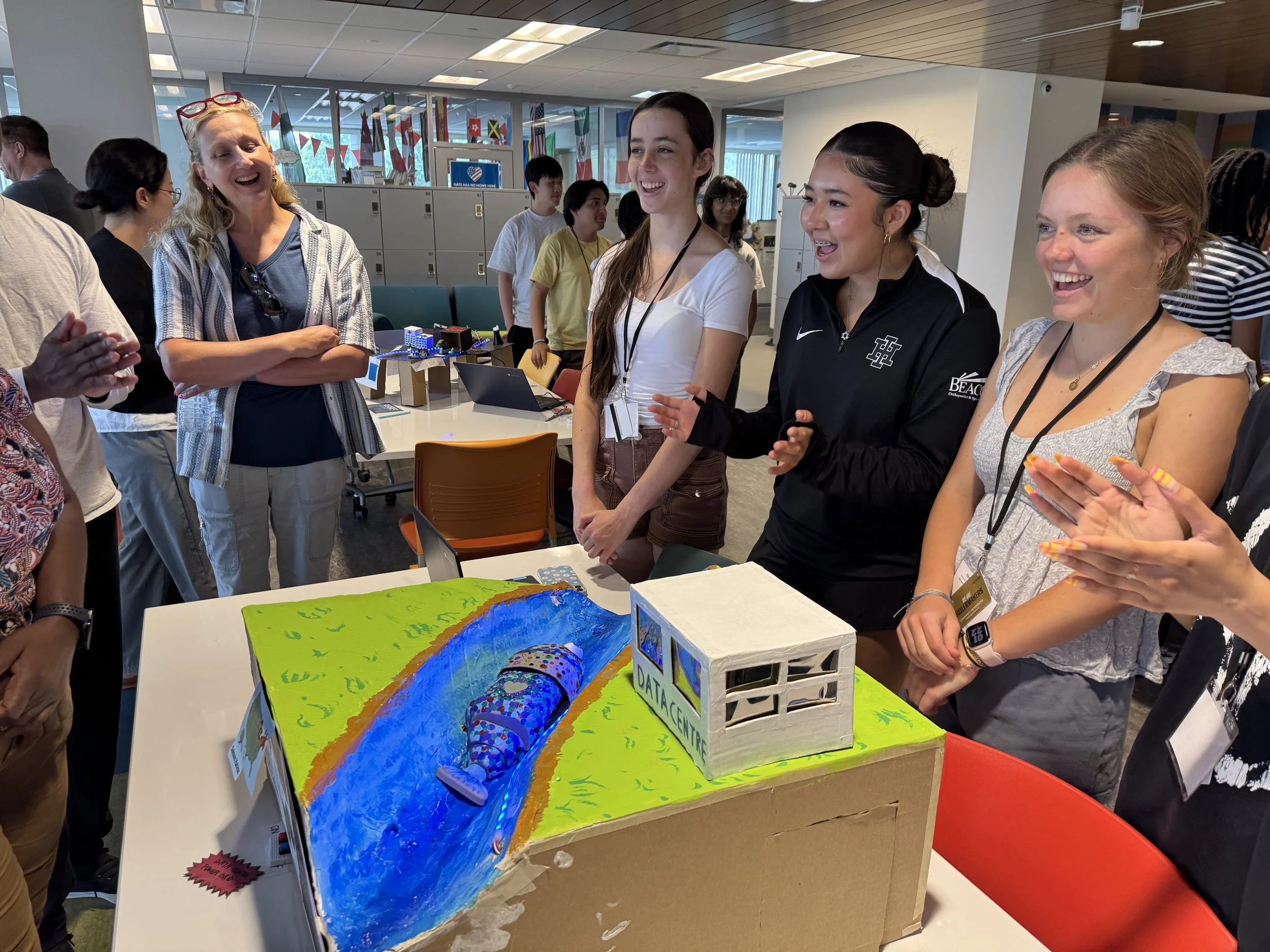
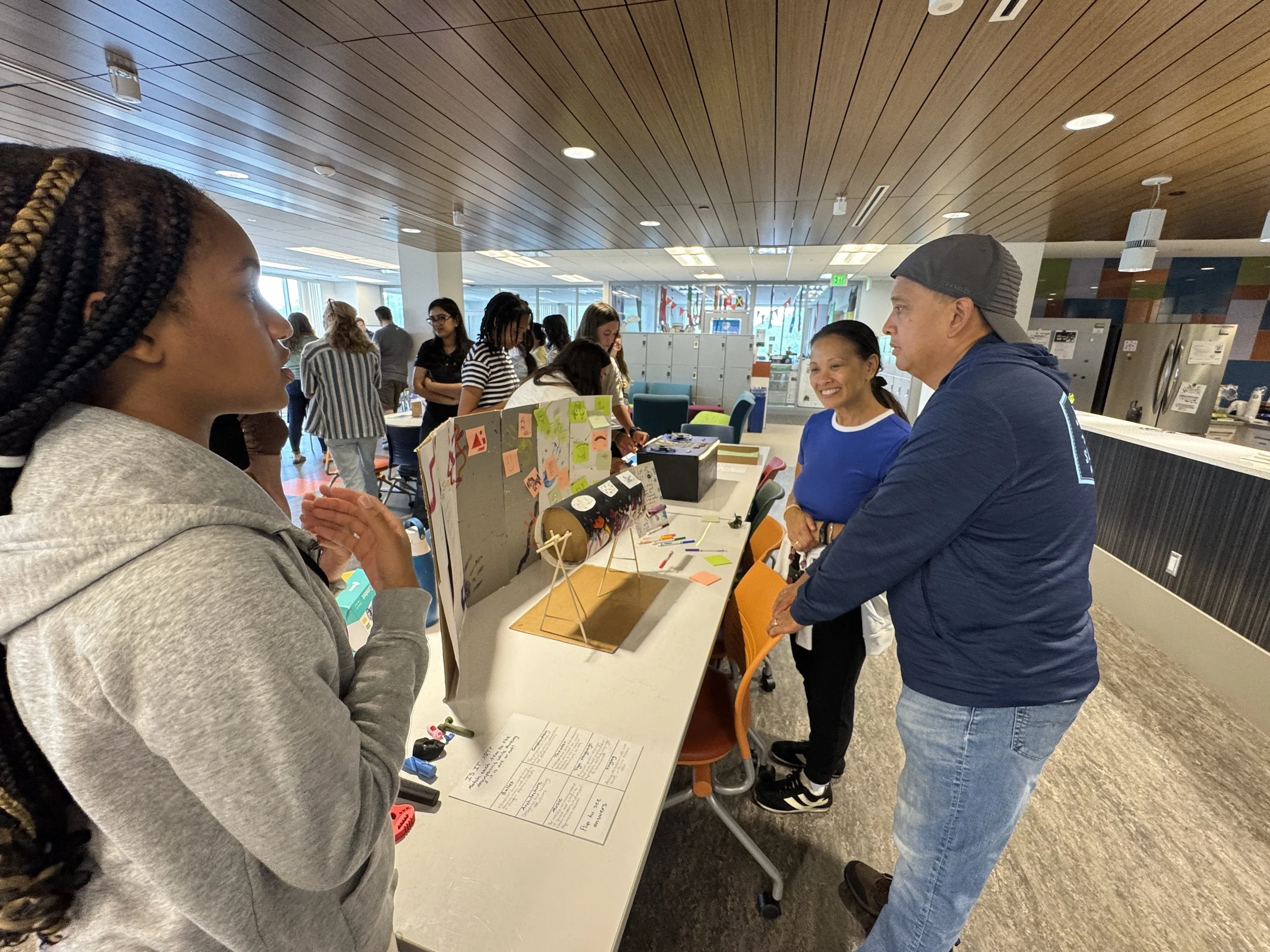
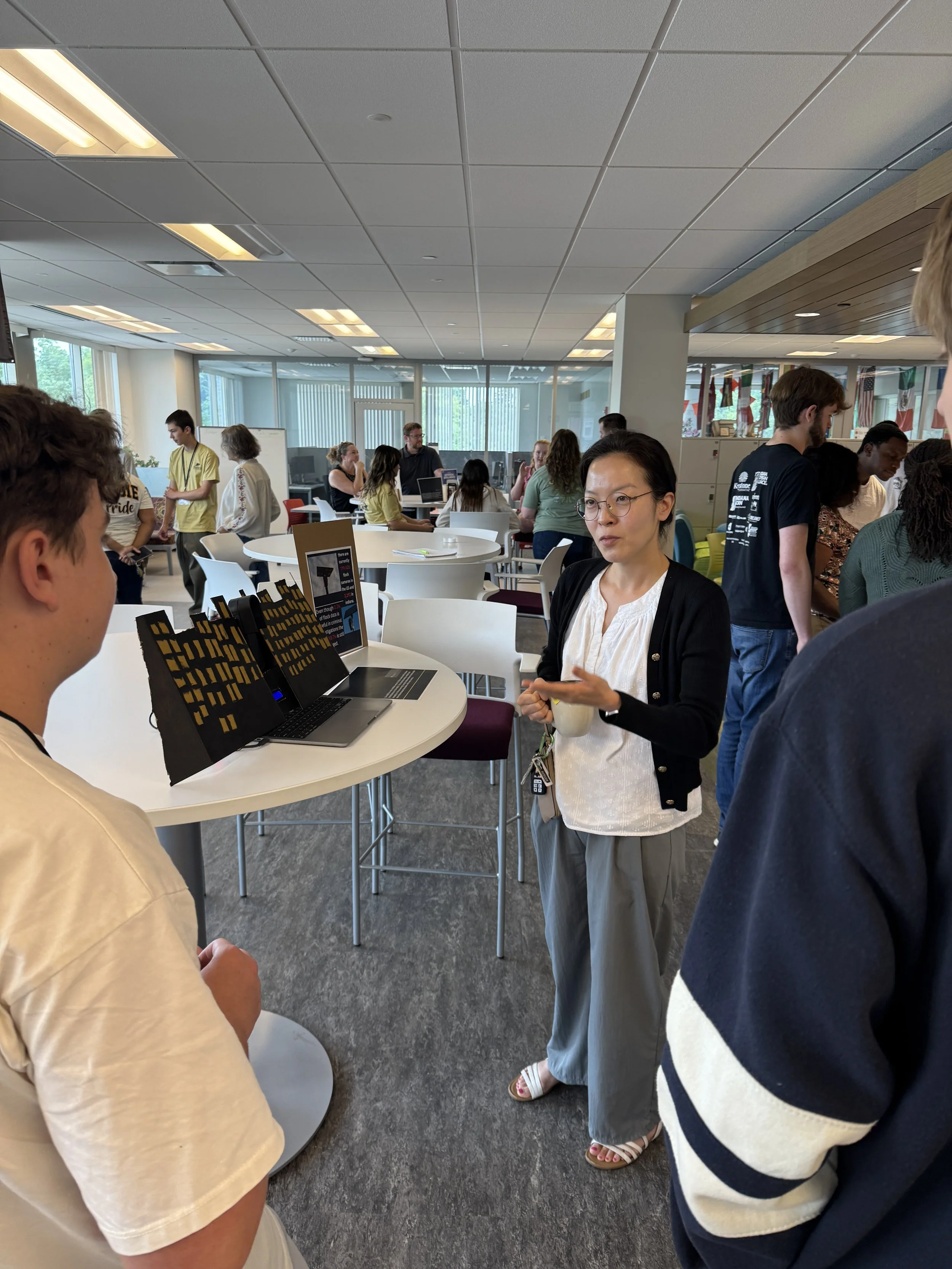
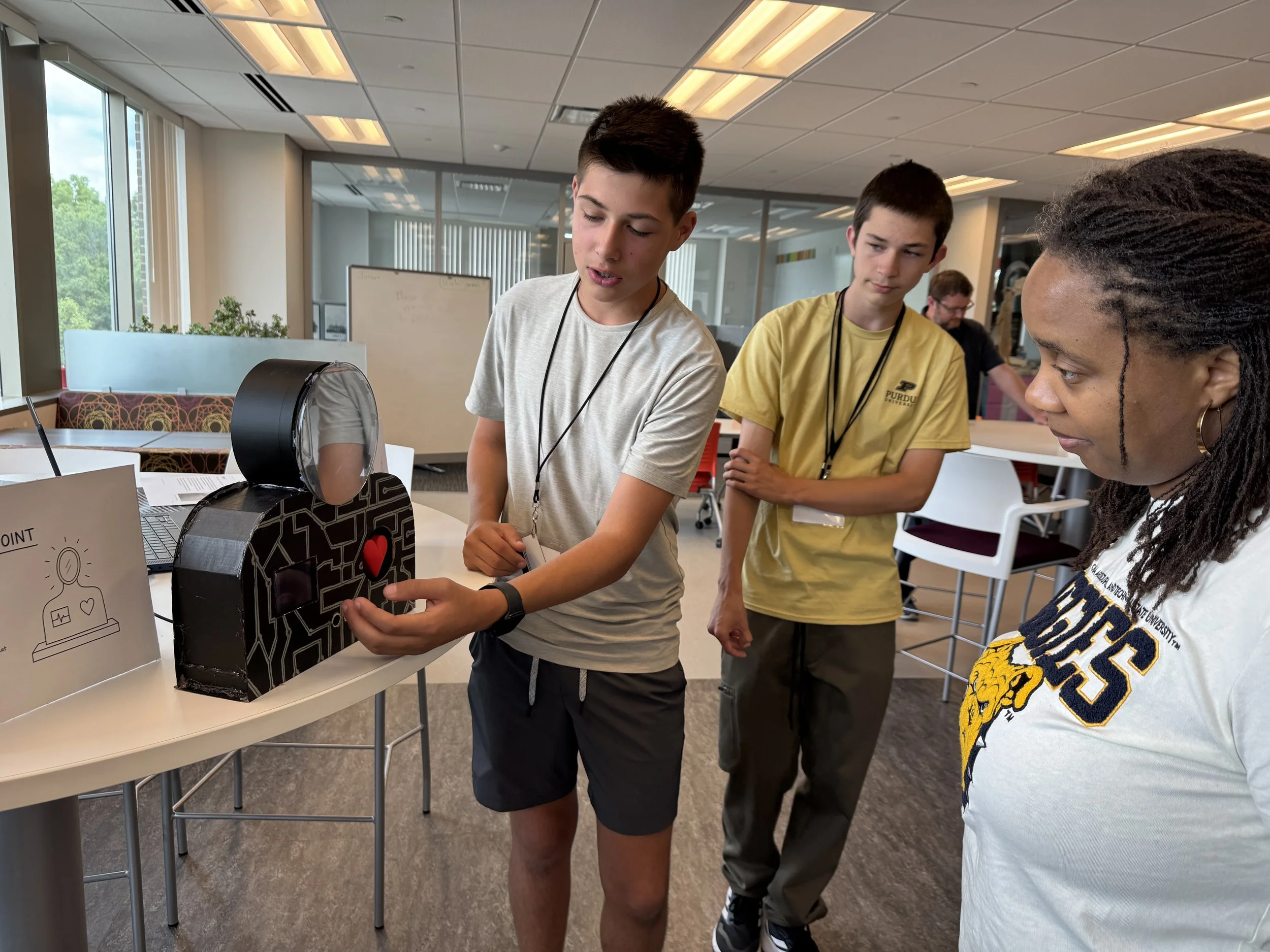
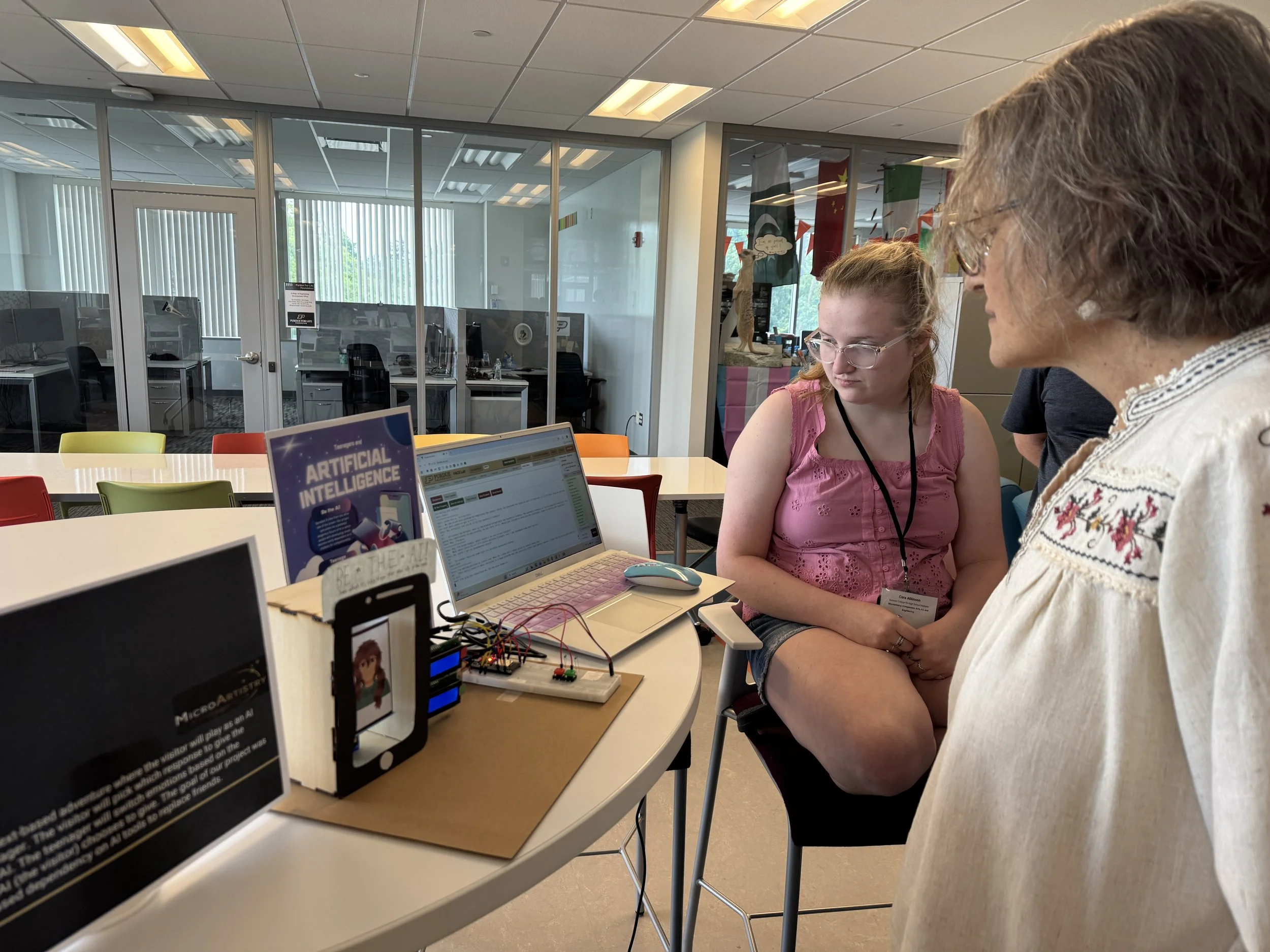
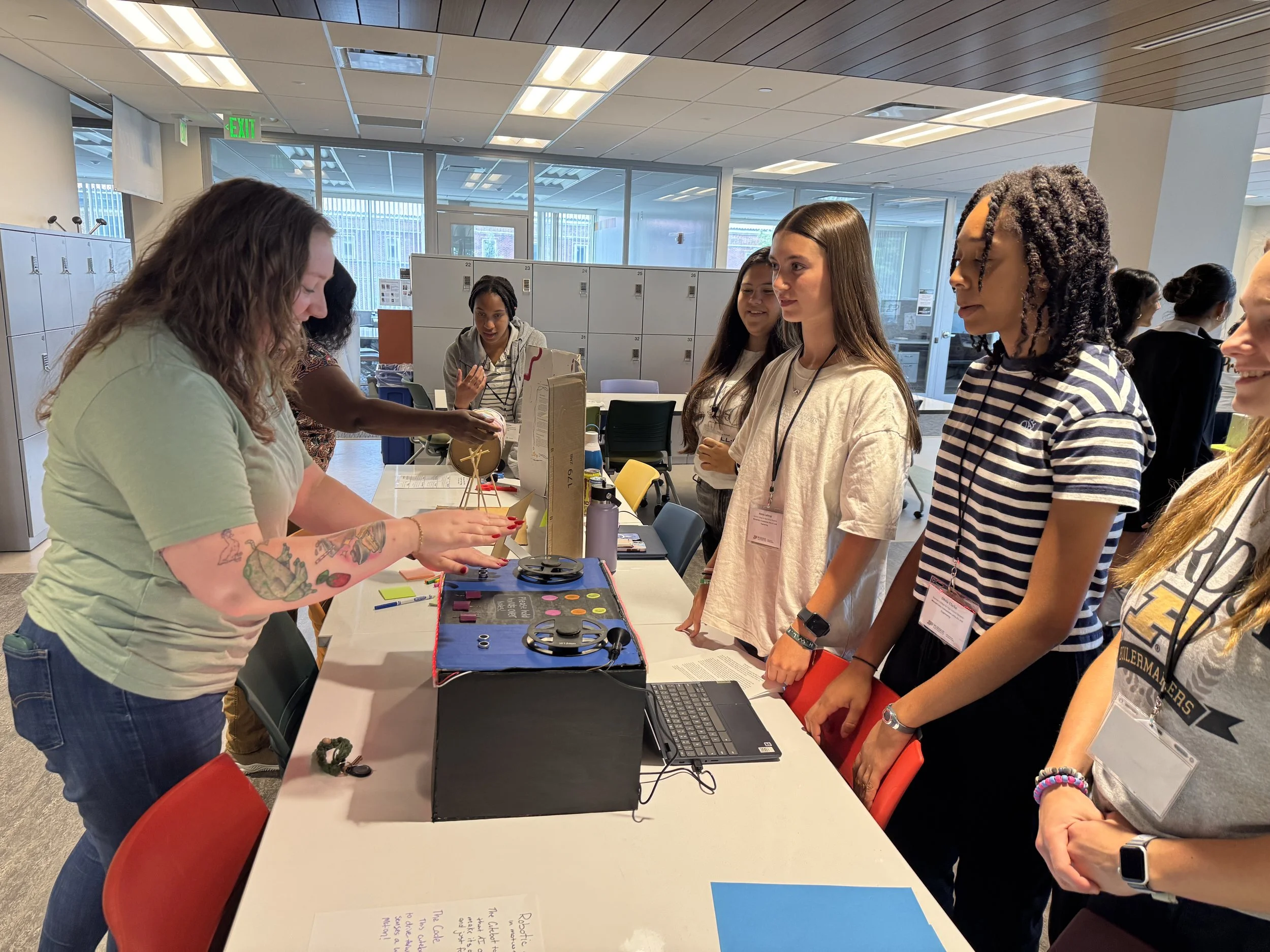
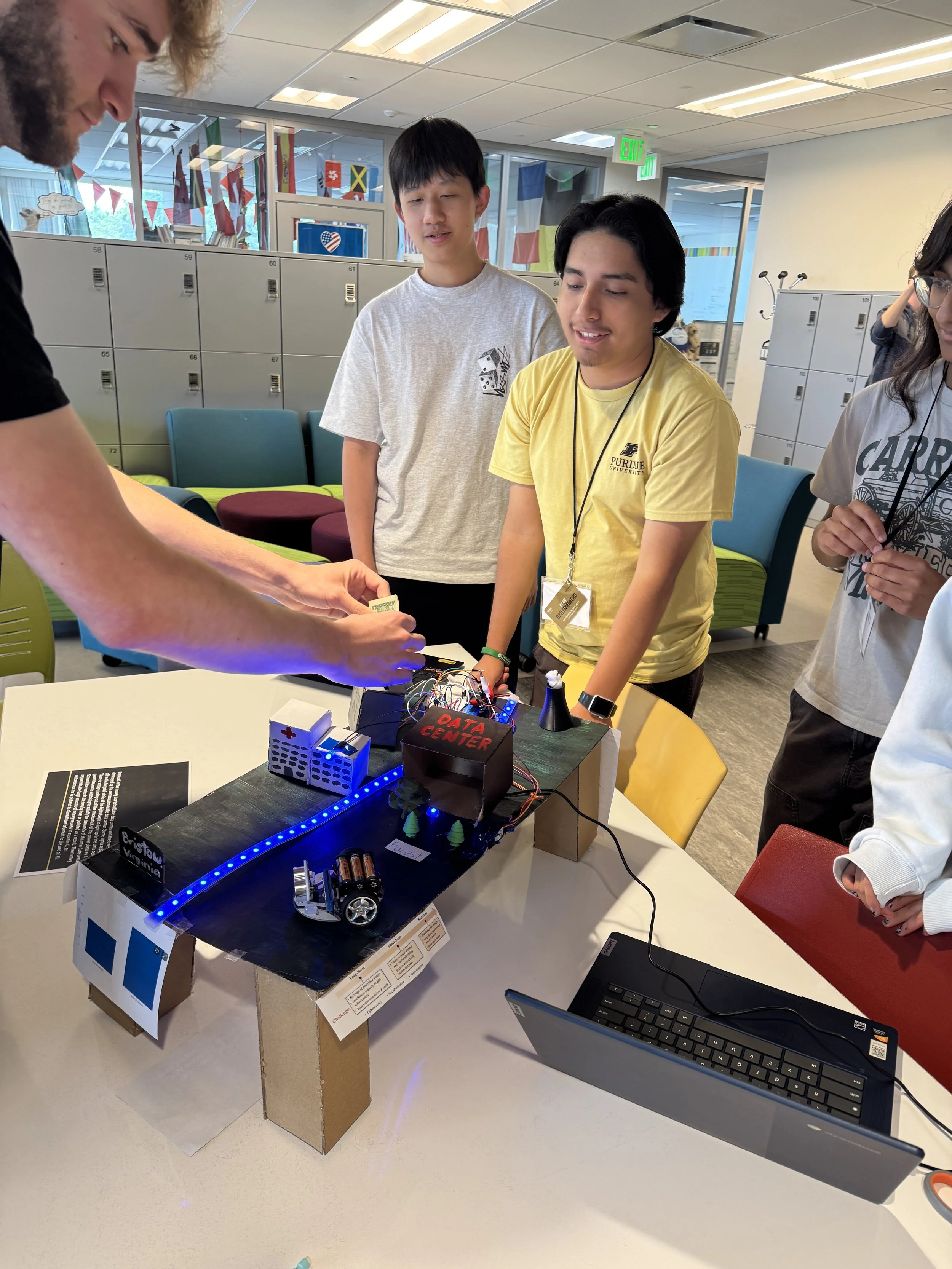
This summer, rising high school juniors and seniors spent a week on Purdue's campus exploring the intersection of microelectronics, engineering, art, artificial intelligence, and technology through the MicroArtistry program.
Throughout the week, students engaged in hands-on learning experiences that challenged them to think creatively and critically about the role of emerging technologies in society. Working in teams, they investigated how AI is shaping the world today and developed innovative final projects that envisioned its future impact.
The program culminated in a showcase where students presented thoughtful, creative solutions that reflected not only their technical knowledge, but also their collaboration, curiosity, and problem-solving skills. MicroArtistry provided students with an opportunity to explore engineering from a new perspective while inspiring the next generation of innovators to imagine—and help create—the future of technology.
Exploring Microelectronics Across Generations at Grandparents University
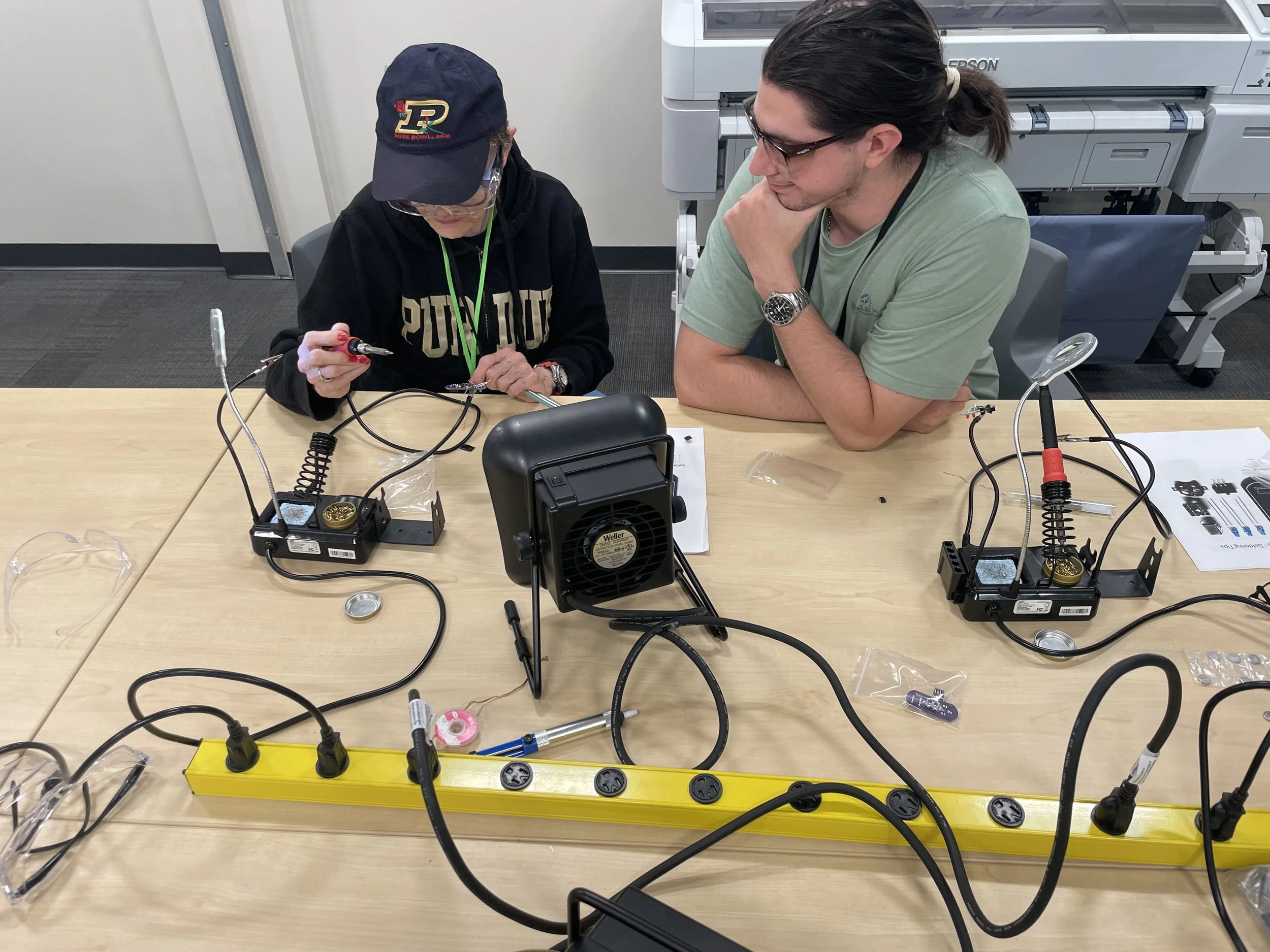
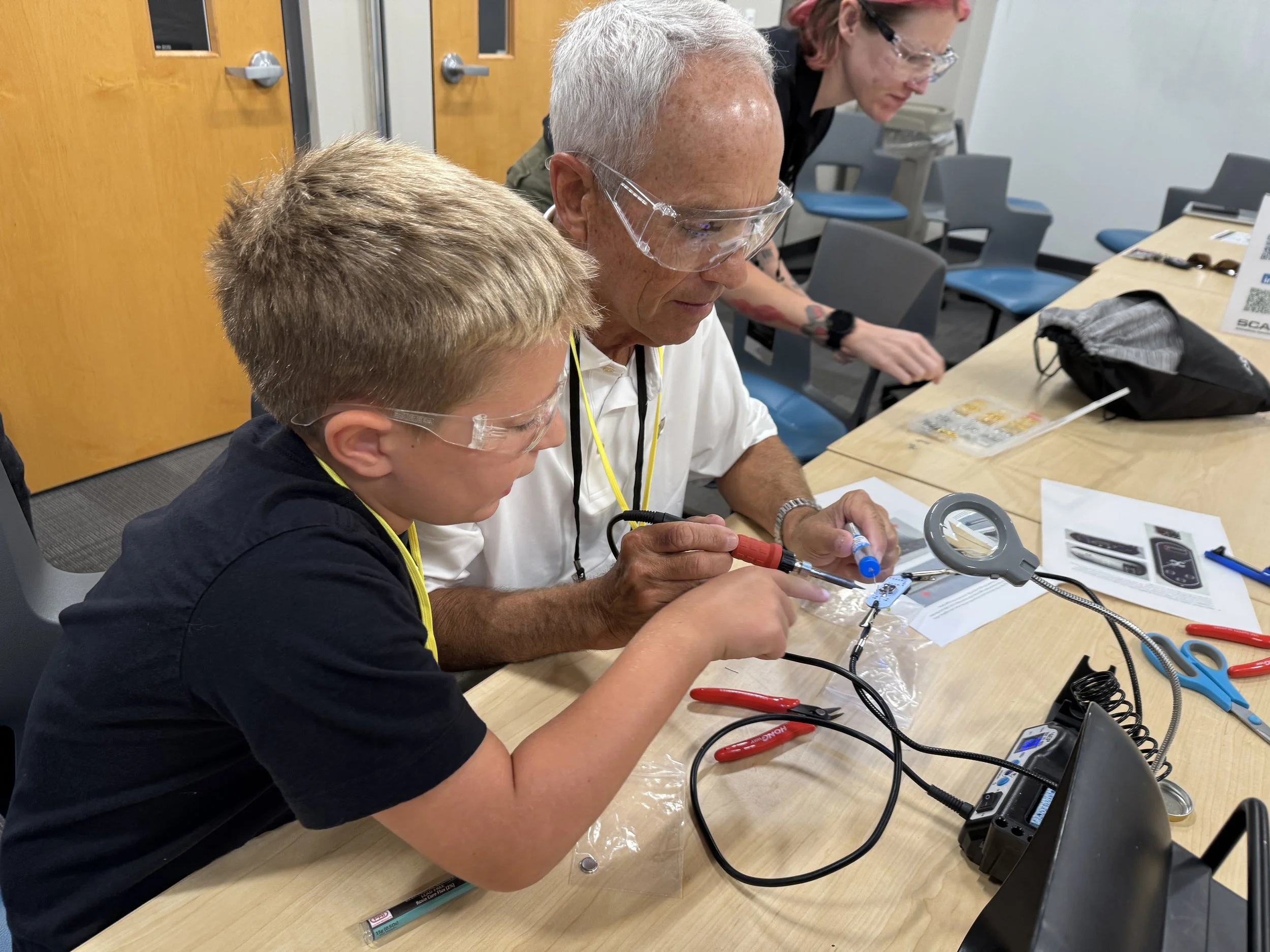
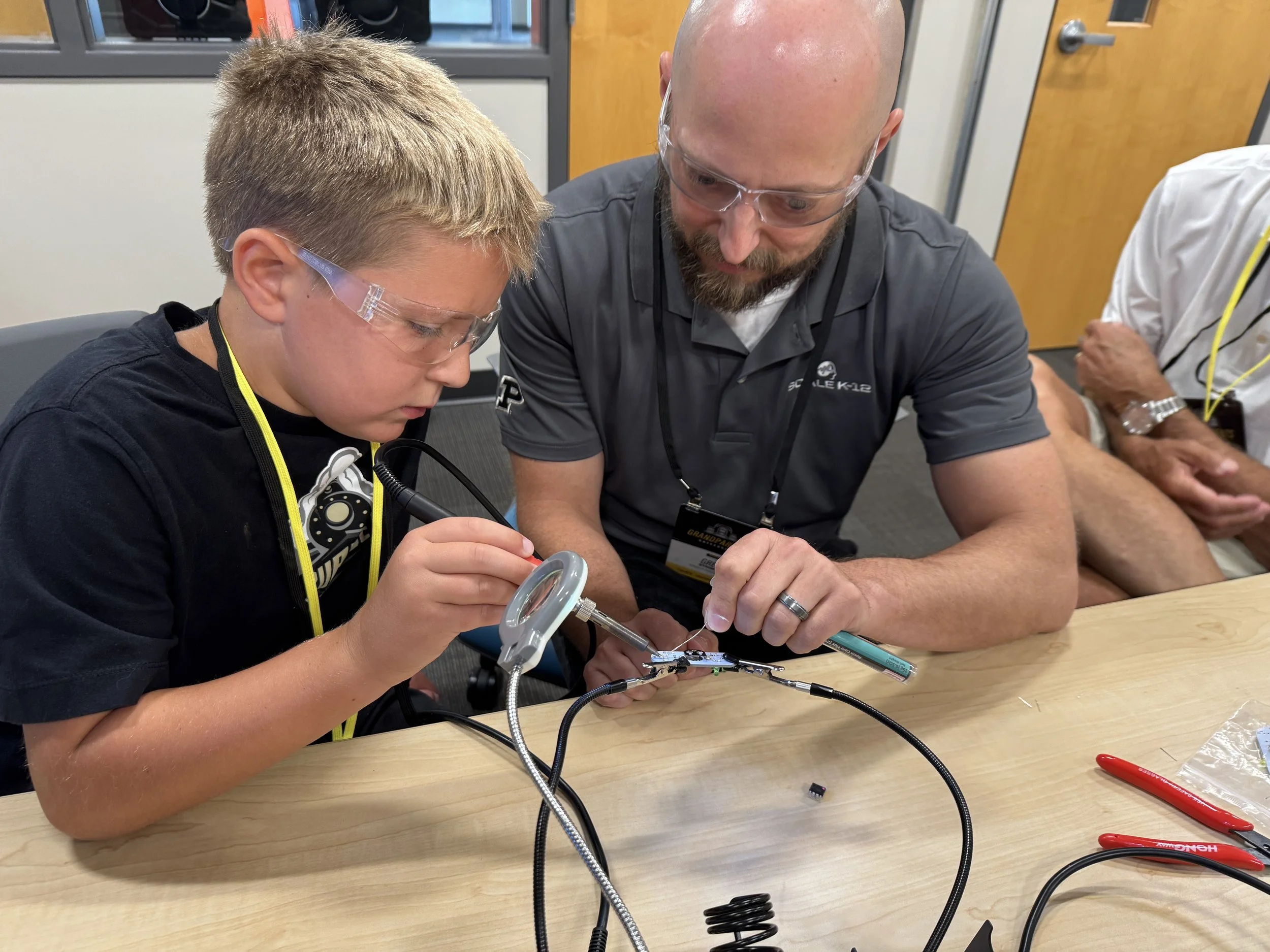
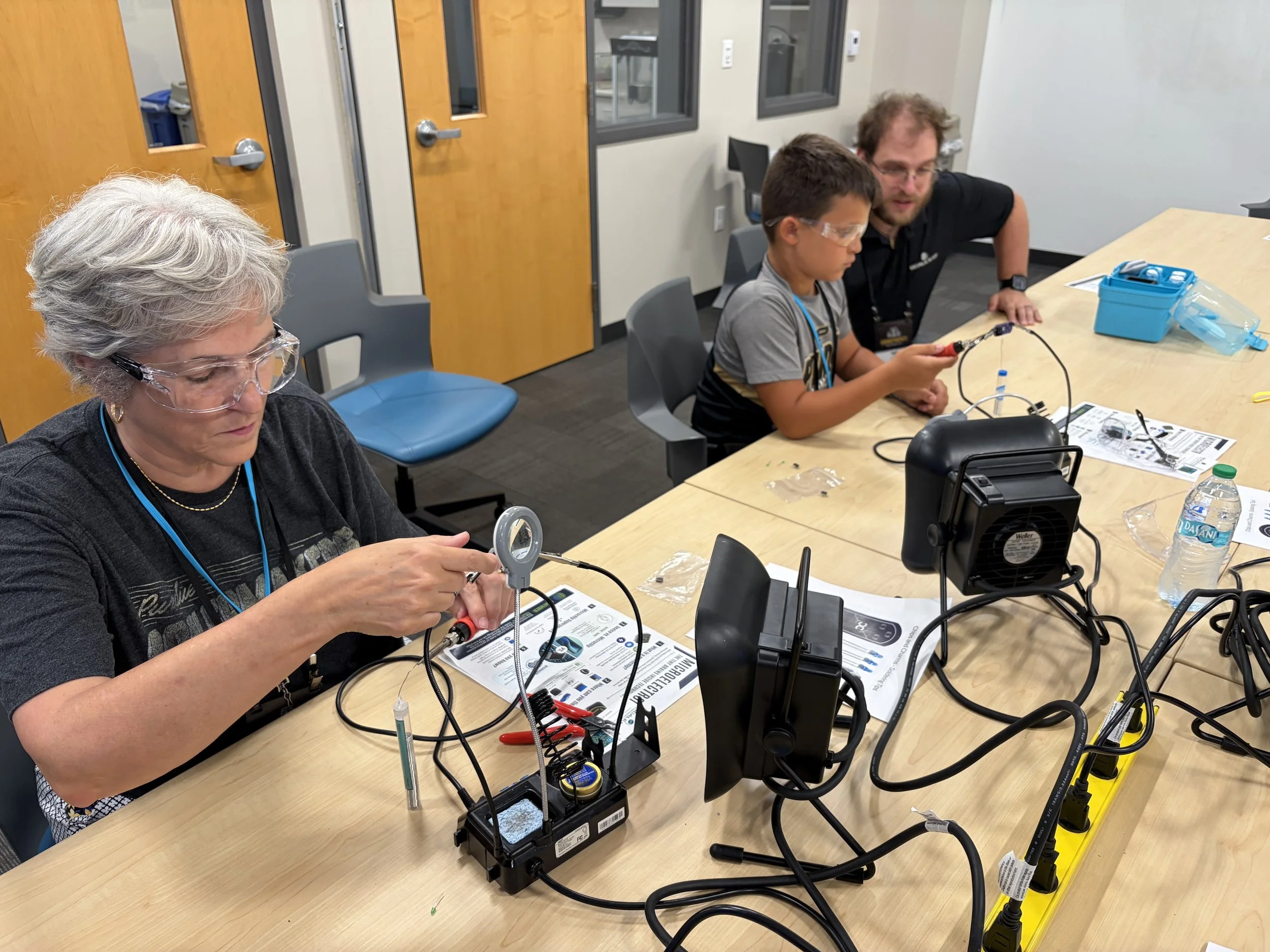
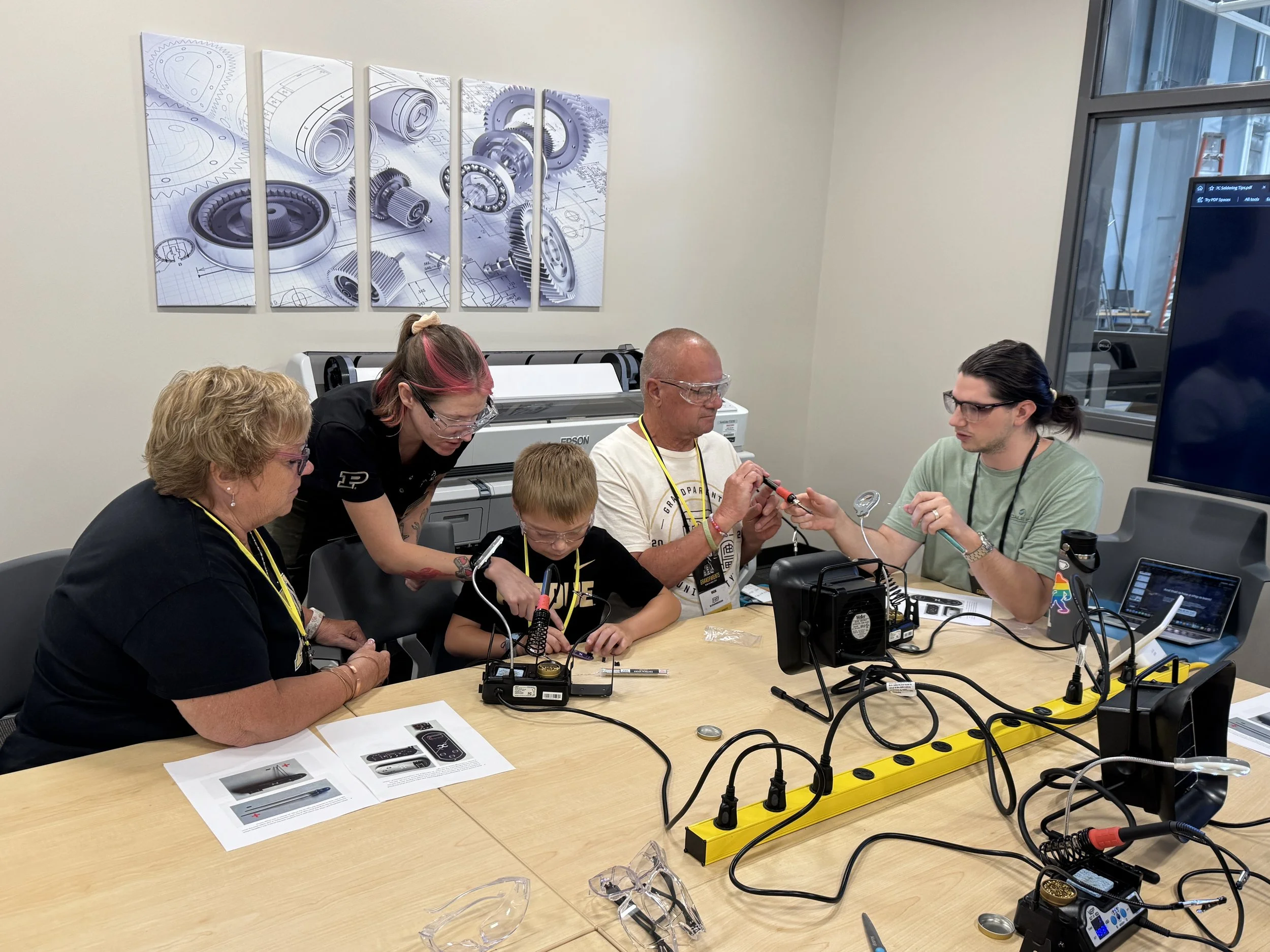
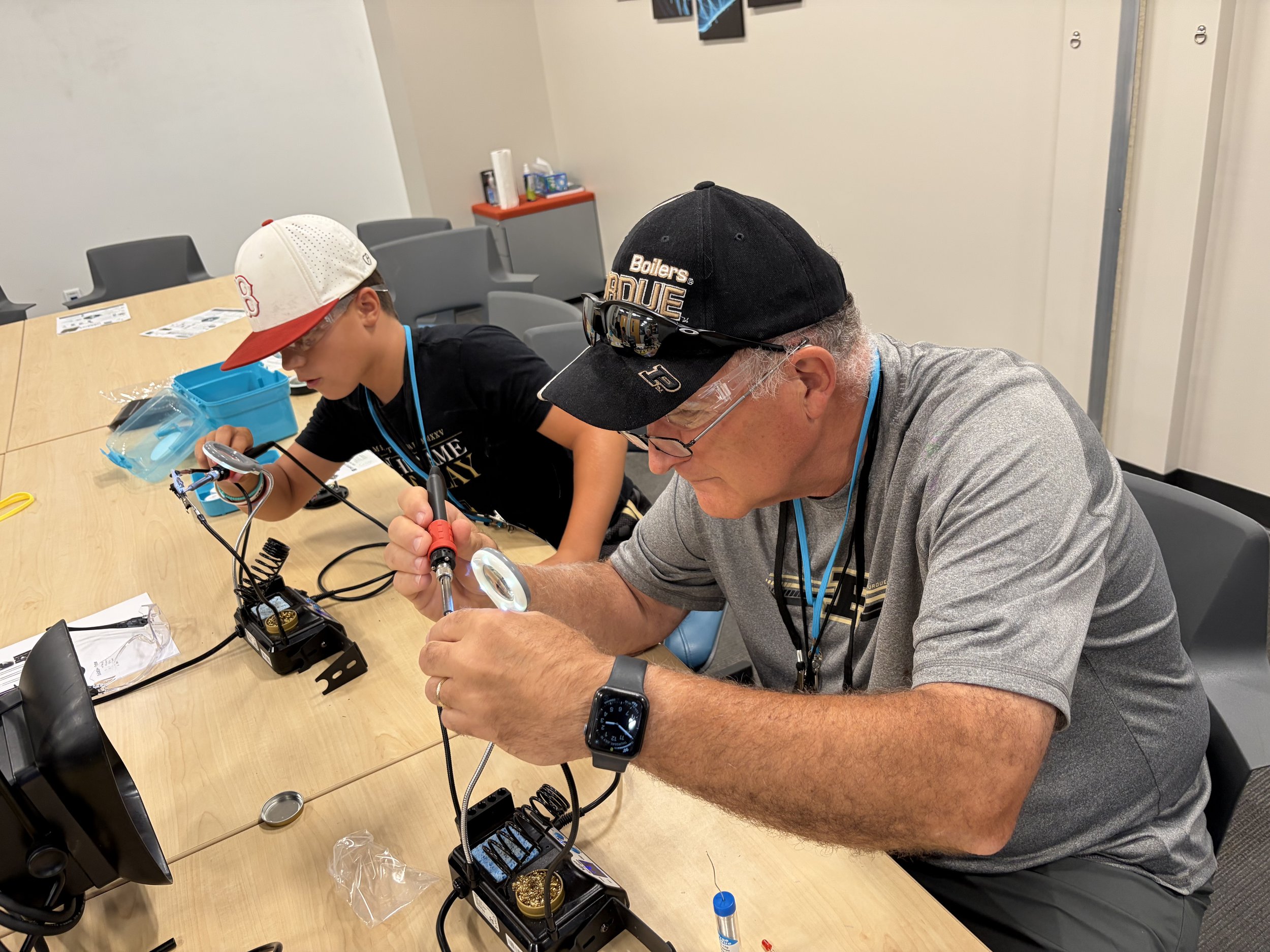
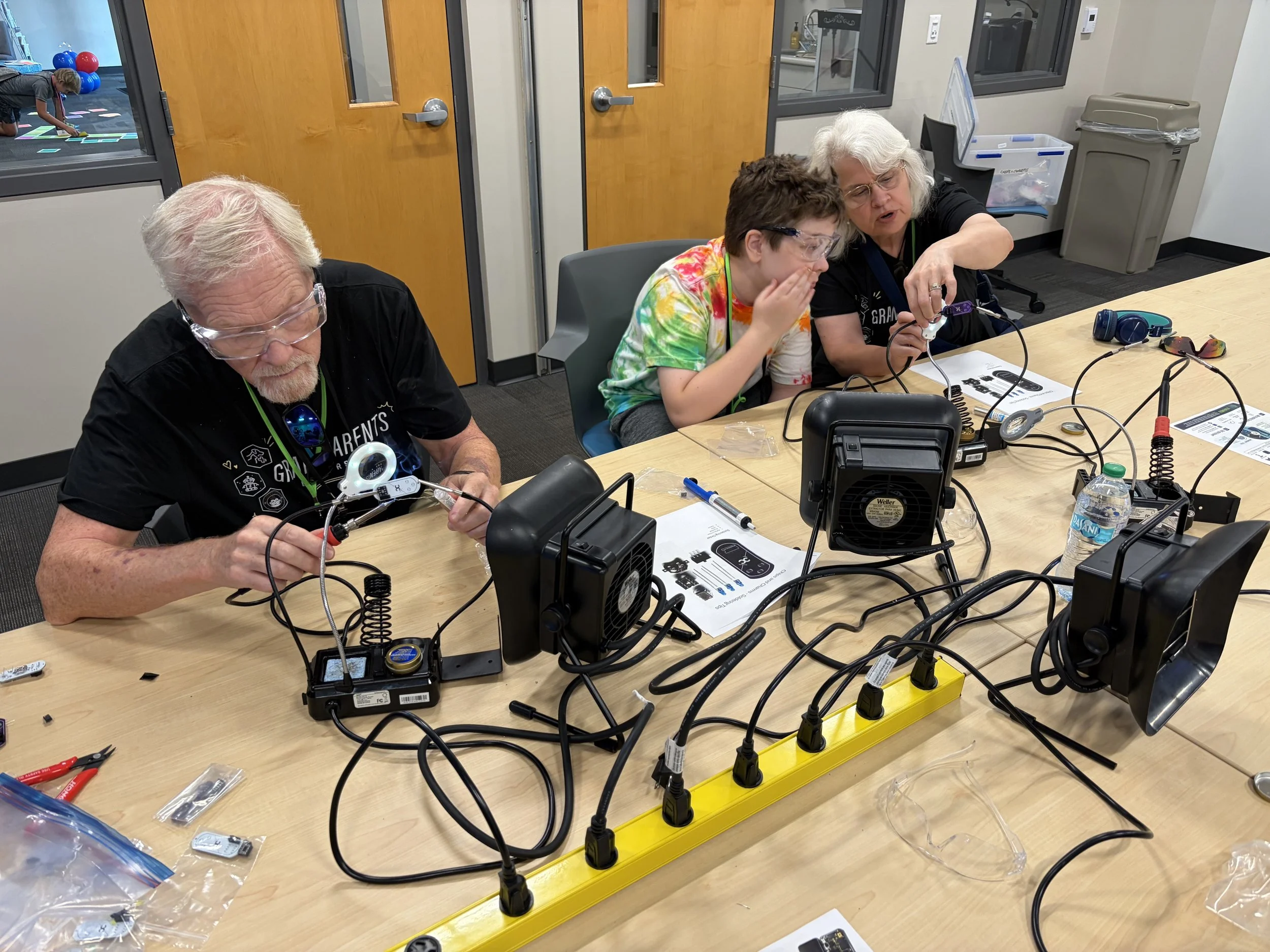
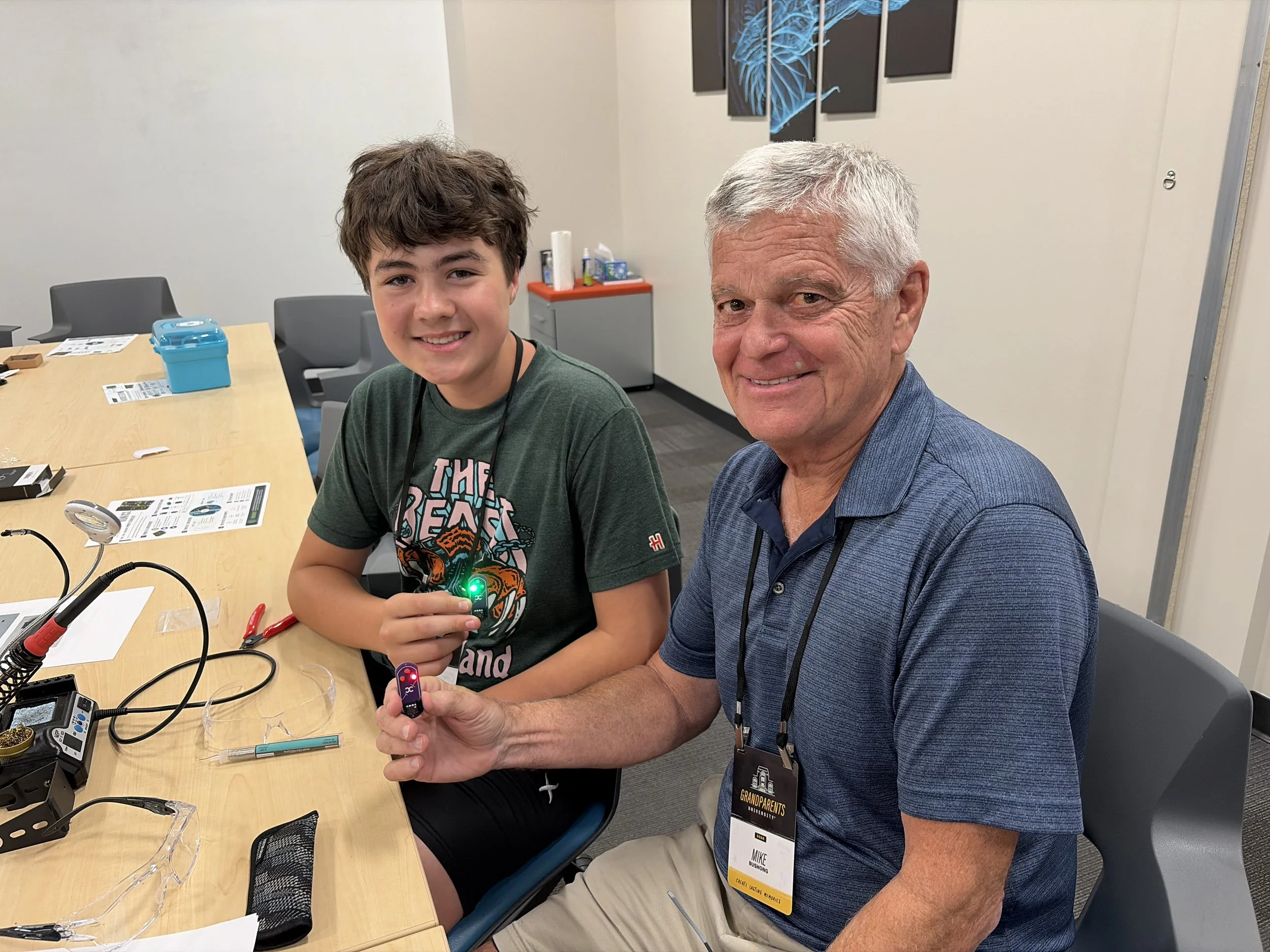
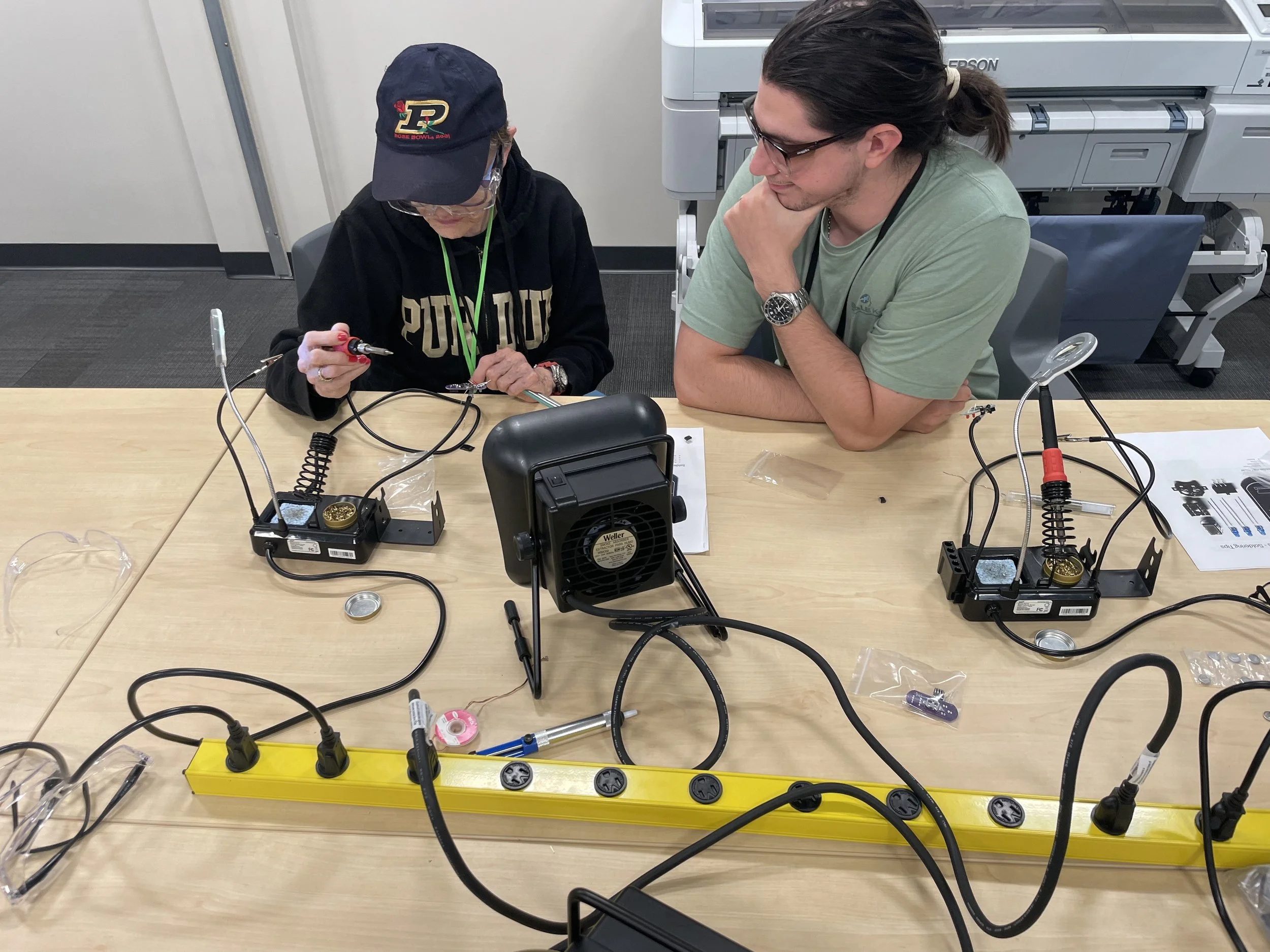
SCALE K-12 was excited to bring hands-on microelectronics experiences to Grandparents University at the Indiana Manufacturing Competitiveness Center (IN-MaC), where grandparents and grandchildren explored STEM together through interactive learning activities.
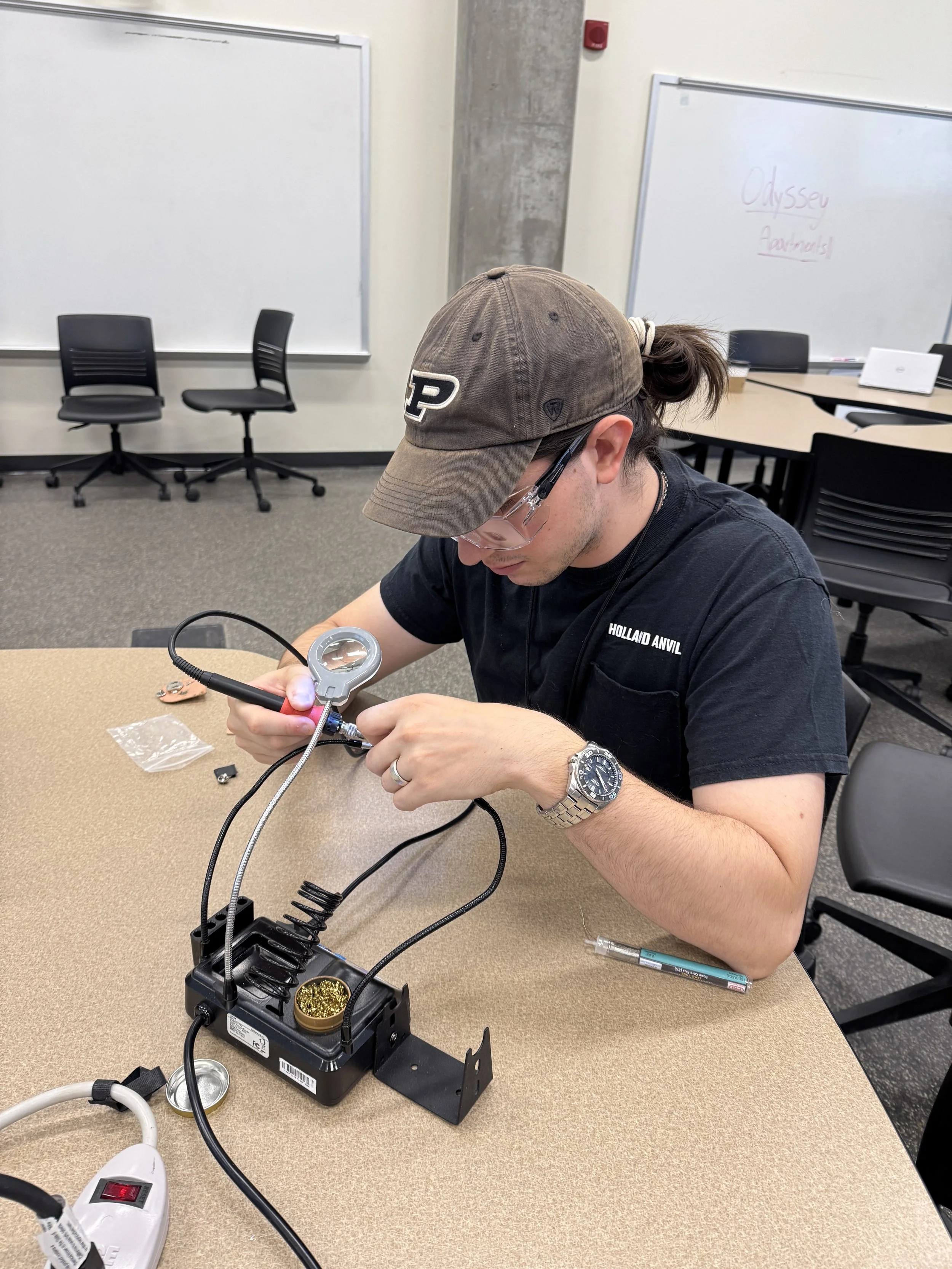
Across two weeks, families learned about the semiconductor manufacturing process using SCALE K-12’s How a Chip is Born kits and experienced the engineering behind everyday technology through the Chips and Charms LED PCB soldering activity. Participants asked questions, built new skills, and celebrated their accomplishments while learning side by side.
The event highlighted the power of hands-on learning to spark curiosity at any age and create meaningful connections between families and STEM. SCALE K-12 was also pleased to welcome representatives from SK hynix, who joined the experience to learn more about how we are engaging learners with microelectronics concepts.
Through programs like Grandparents University, SCALE K-12 continues to expand awareness of microelectronics and inspire learners of all ages to explore the technologies that shape our world.
Real Impact, Real Experiences
Authentic voices highlighting the impact of hands-on, career-connected learning
🌟 Parent Perspective
"The experience sparked a genuine curiosity about microelectronics that has continued well beyond the program. Everyday technology has become an opportunity to ask questions and explore how microchips power the world around us—from elevators to other devices we use every day. The excitement has even inspired an interest in visiting Purdue's cleanroom to learn more about how microchips are made."
-INSPIRE Summer Camp Attendee
🎤 Student Voices
“I want to work here!”
“I think I could do this for my job!”