
Microelectronics Background

Overview
Microchips are the key to making microelectronics work. The microchips are made from small pieces of semiconductor material, usually silicon. Semiconductors are special because they can allow electrons to move through them or not, depending on how they are chemically treated. Engineers use silicon’s semiconductor properties to design circuits to control how electrons move through a microchip. There are four main types of microchips: memory chips that store information, logic chips that process information, application-specific integrated chips that perform repetitive tasks, and system-on-chip types that combine multiple functions into one chip.
The process of making microchips is highly technical, but broadly, it works like this. Sand is refined into pure silicon, the silicon is grown into a large crystal ingot, and the ingot is cut into thin circular wafers. Fabrication companies design the circuits for a microchip’s purpose and etch that circuitry onto the wafer in a small rectangular section called a die. A wafer will have many dies. They cut each die out of the wafer and package it into a case that protects it and lets it function with other electronic components, like speakers, sensors, motors, and more.
The circuits on a chip can contain thousands to billions of tiny components, which are primarily transistors. Transistors and components on chips are measured in nanometers or smaller. Because the circuits are so small, they must be manufactured in a clean room. A piece of dust is huge when compared to the size of a transistor on a chip. A low-end iPhone in 2023 uses a system-on-chip as its primary processor. This chip has approximately 15 billion transistors in its roughly one square centimeter of area.
Once microchips are designed and manufactured, they are sent to other sites to be integrated into devices like the micro:bit, computers, school buses, kitchen appliances, toys, and more. The chips are added to printed circuit boards, which allows them to be connected to other parts of the device. Some microchips are highly complex and may be made specifically for the device in which they are installed. Powerful and programmable devices will use chips like these, which can be called processors or microcontrollers. Others act as support controllers to complete specific tasks. They might control Bluetooth or USB cable connections, for example. Then there are simpler chips that have only a few inputs and outputs. You might find these chips on audio greeting cards, electronic toothbrushes, and remote controls.
Check out our list of web resources to find teacher background videos to help you gain knowledge to feel prepared when talking about microelectronics-related topics with your students.

Microelectronics Vocabulary
Below are some terms relevant to microelectronics and its manufacturing. The lessons in your unit may have more comprehensive definitions as needed. These definitions are arranged in their order in the manufacturing process.
Microelectronics
Semiconductor
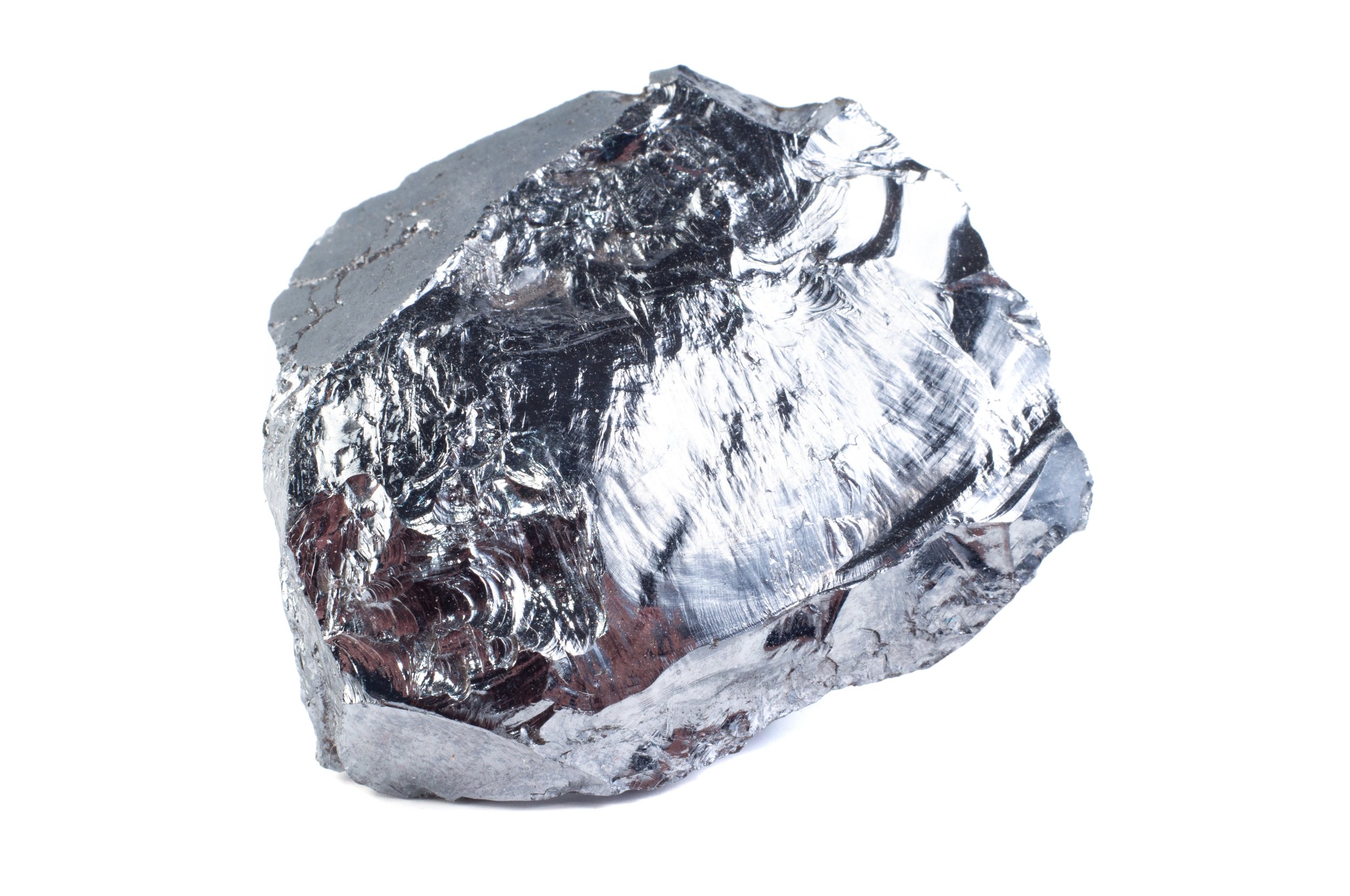
Silicon
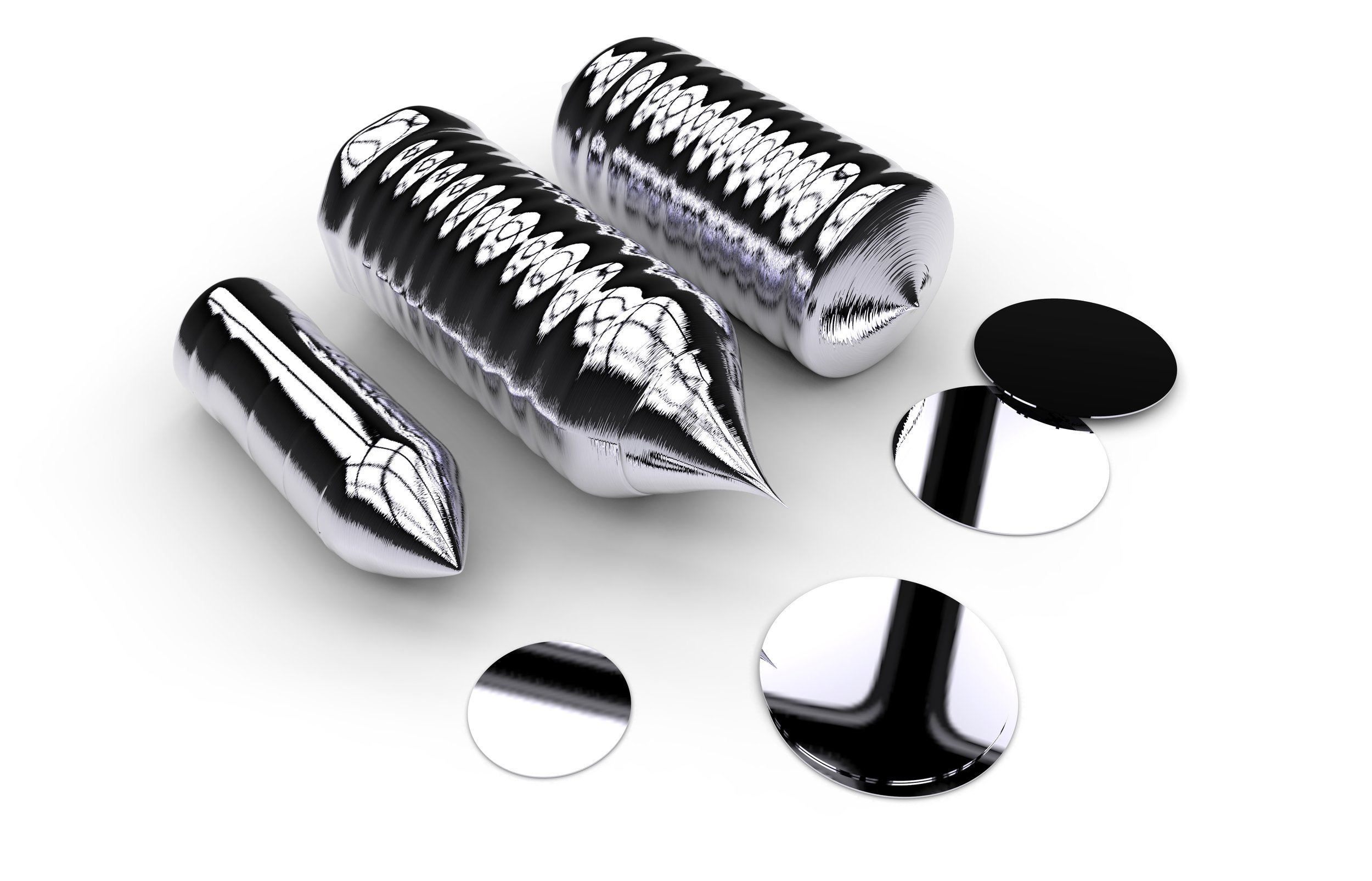
Ingot
Wafer
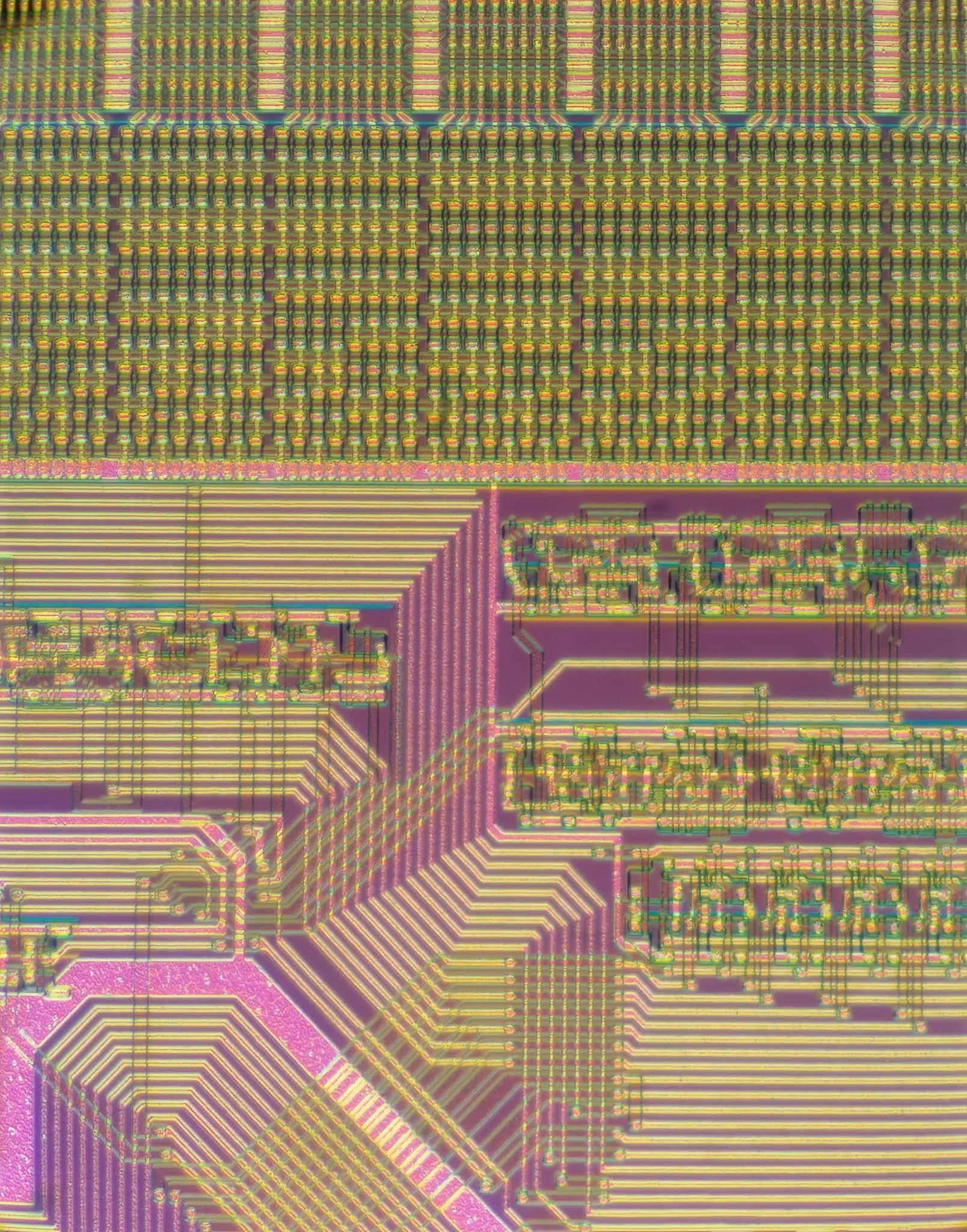
Die
Transistor
Integrated circuit
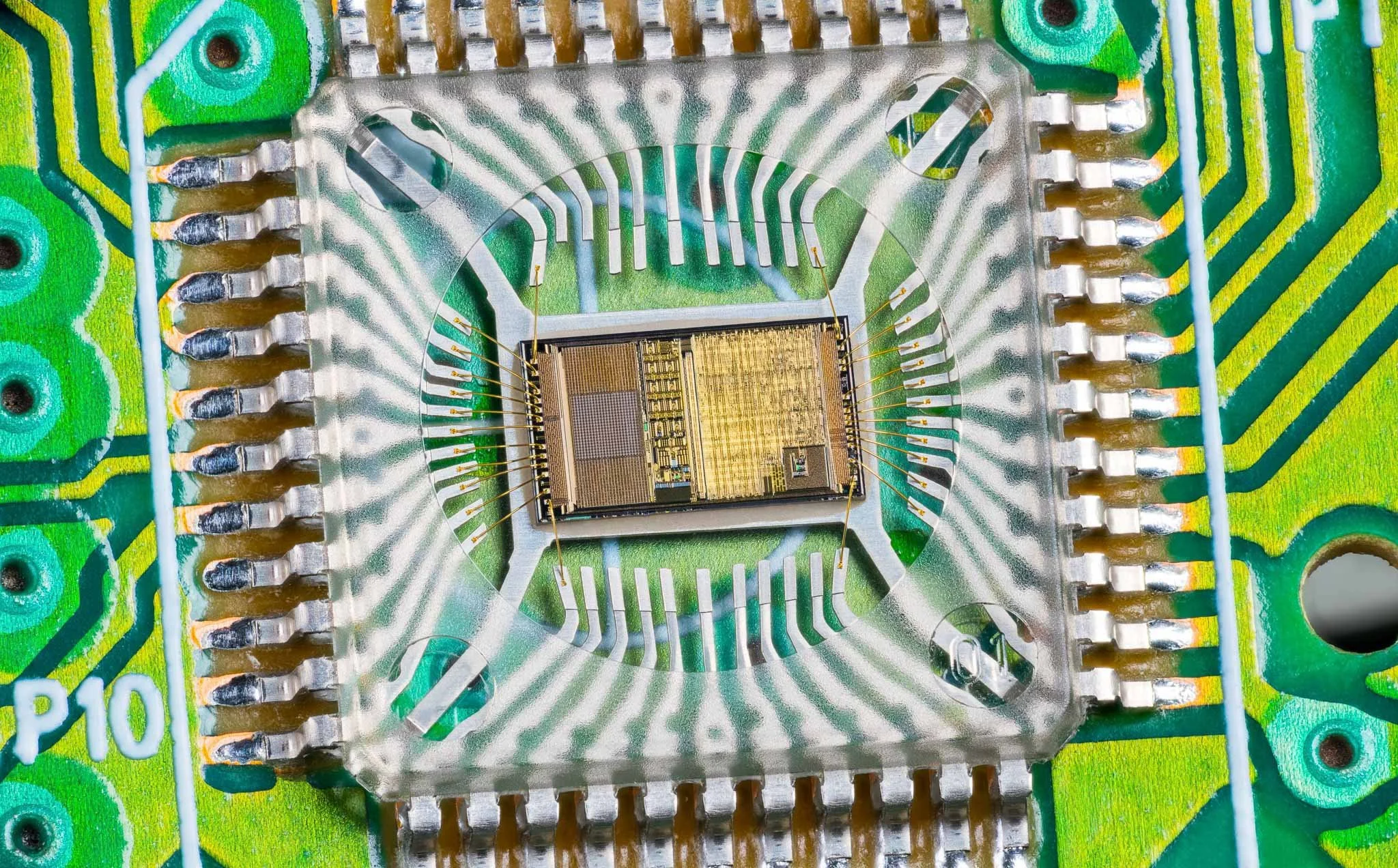
Package
Microchip
Electronics / Macroelectronics
Printed circuit board
The design, manufacture, and use of microchips and microcircuits.
A material that has some conductive properties and some insulating properties depending on how it is treated and used.
Semiconductors in microelectronics can have impurities introduced to them, called doping, to allow engineers to better control how they transport electrical charge.
A common semiconductor material used in microchip fabrication. Silicon is one of the most abundant minerals found on Earth. It is primarily found in the chemical silicon dioxide, which makes up quartz rock and sand grains.
A large cylindrical crystal of silicon that is used to make wafers; also called a boule.
A thin piece of silicon that is cut from an ingot and is the substrate material for microelectronics fabrication.
A small rectangular section of a silicon wafer that has an integrated circuit etched into it. Many dies can be fabricated on a single wafer.
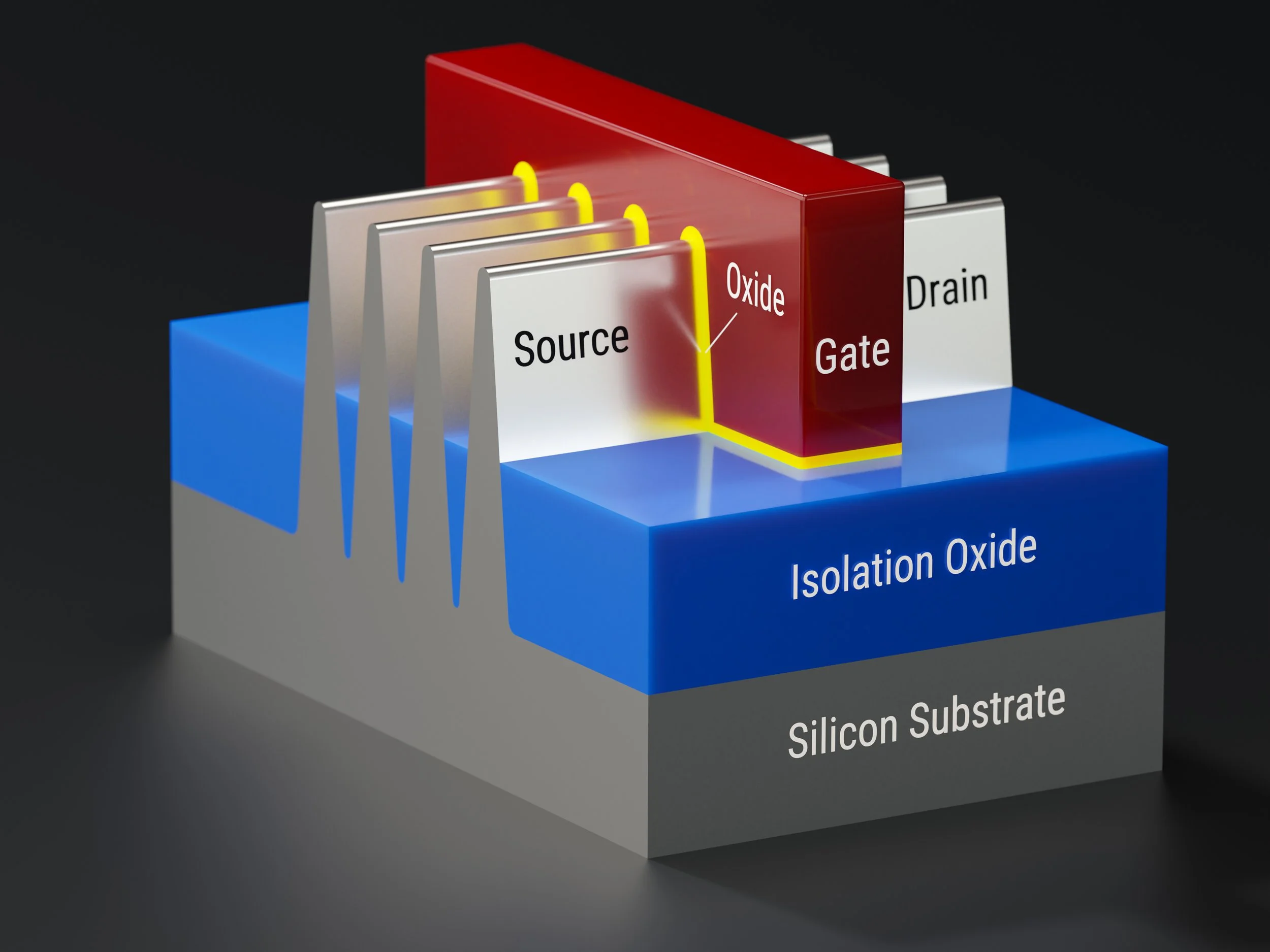
A tiny semiconductor component that controls how electrical current flows without any moving parts. A transistor can act as a switch to turn current on or off or act as an amplifier when partially turned on.
The set of tiny, interconnected electronic components, such as transistors, resistors, and capacitors, etched onto a semiconductor die.
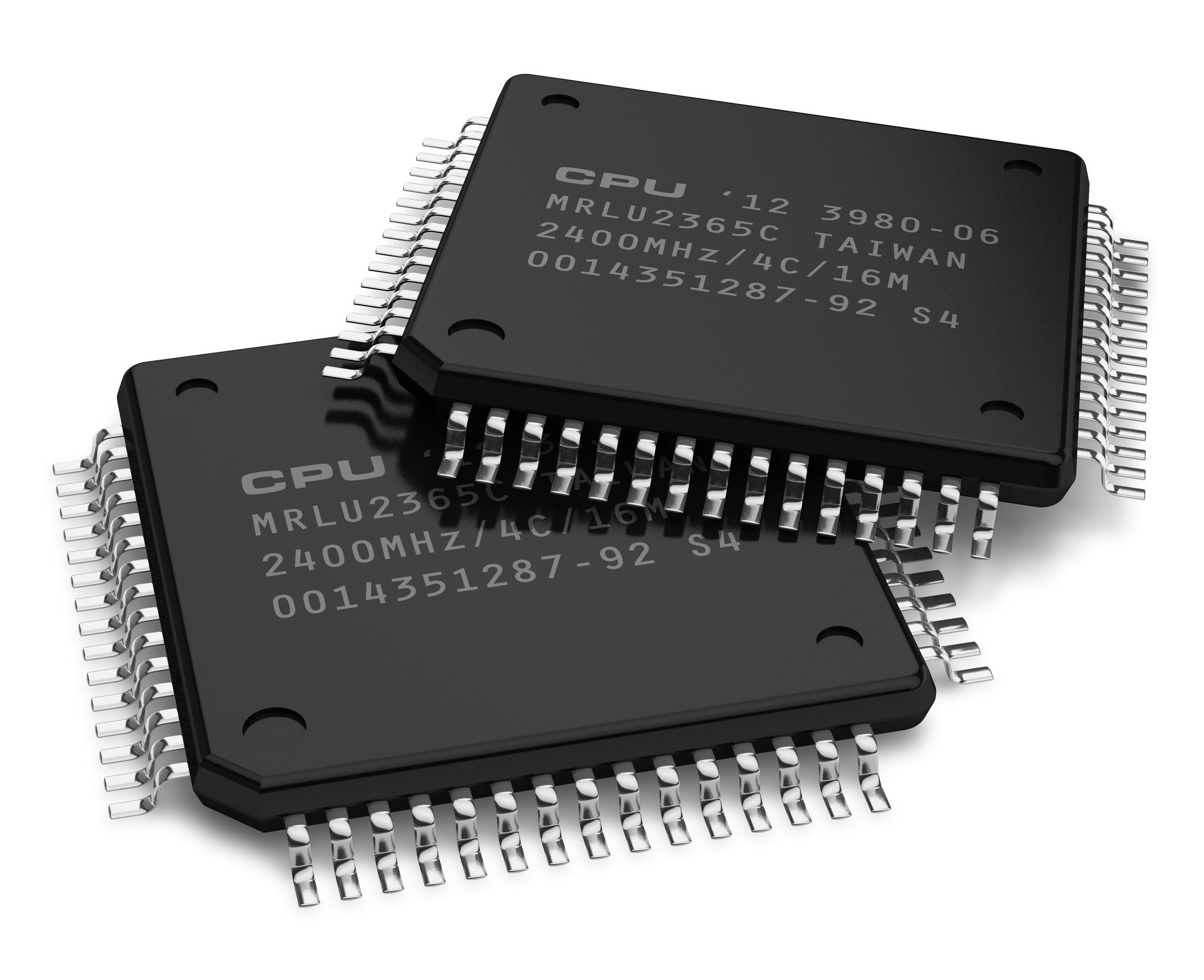
The extra plastic and pins that house an integrated circuit die and allow it to be connected to other electrical components.
The “brains” of an electrical device. A microchip contains an integrated circuit etched onto a semiconductor material and enclosed within a protective package. A microchip can process information and control various functions within an electrical circuit.
In the semiconductor industry, “integrated circuit”, “chip”, and “semiconductor” are sometimes used interchangeably to mean “microchip”.
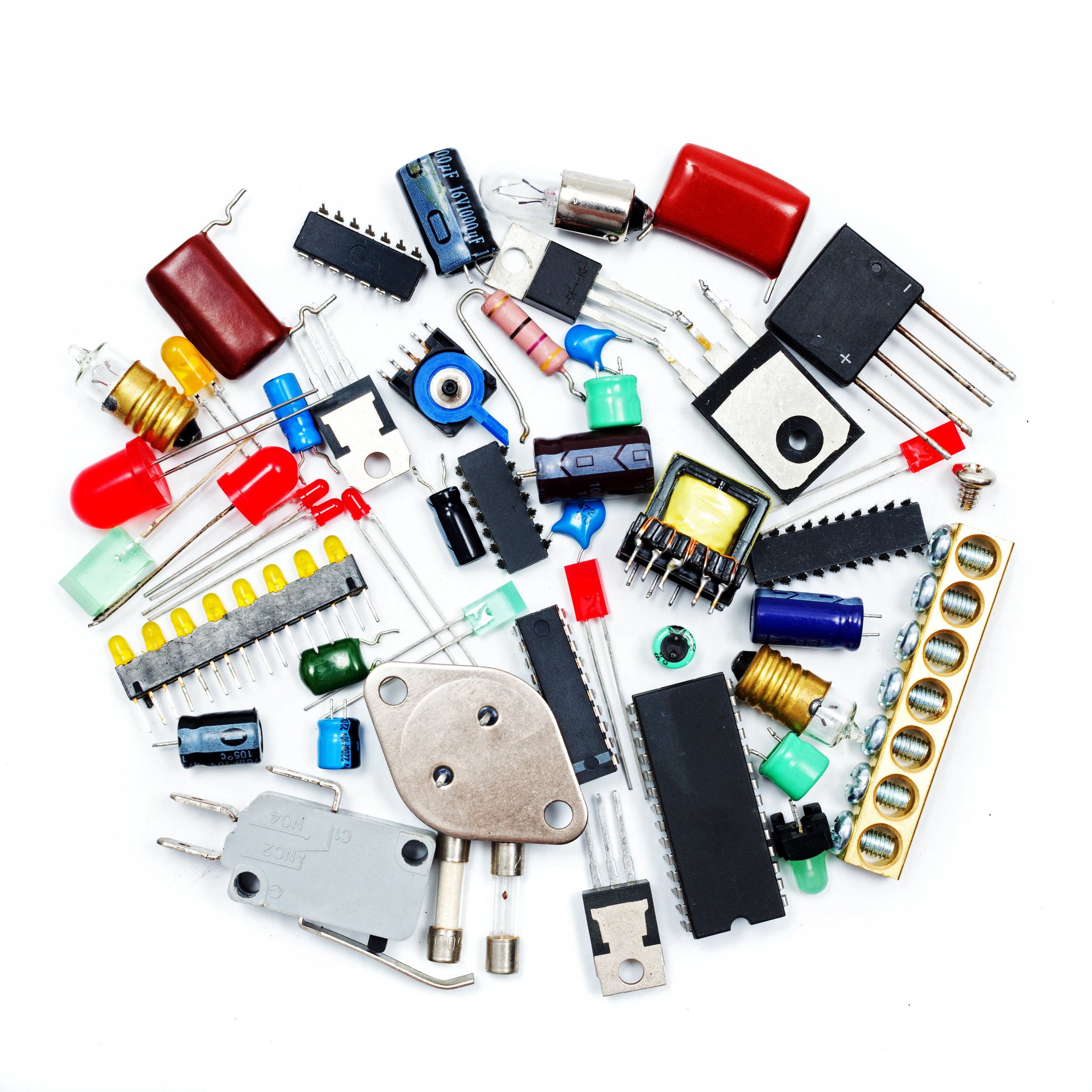
Electronics built with standard electrical components that are at a scale that humans can see and manipulate. Common electronic components include resistors, capacitors, discrete transistors, diodes, and LEDs. Microchips can be used in electronics, especially in packages like dual-inline packages and surface mount packages.
A board made of non-conductive material (usually fiberglass) with metal pathways printed or etched onto it that connect different electronic components together, like resistors, capacitors, and microchips - essentially acting as both the physical foundation and the electrical roadmap for electronic devices.

The Importance of Microelectronics
Microelectronics are everywhere. They help make electronic devices cheaper, faster, and more energy efficient. Without them, many things we take for granted would be impossible. Many high-tech, high-paying, and in-demand jobs require knowledge of microelectronics.
The United States wants to make our domestic microchip design and fabrication industry stronger and more resilient. This is important to our national security and for our national supply chain. Microchips made in foreign countries may not be secure for US defense use. Counterfeit and unregulated microchips can pose health and safety risks. And, as became apparent during the COVID-19 pandemic, high reliance on overseas production means that any disruption in the microchip supply chain can have cascading and detrimental effects on the US through inflation and hard-to-buy goods.
The CHIPS and Science Act of 2022
H.R. 4346 - CHIPS and Science Act
National Institute of Standards and Technology (NIST) - Chips for America
Semiconductor Industry Association - Chip Incentives & Investments
Career Connections
Companies that manufacture microchips in the United States need people with the skills to work in those jobs. Jobs in the semiconductor industry are expected to be in high demand. The US Bureau of Labor Statistics tracks employment and maintains a breakdown of the different jobs in the semiconductor industry in the United States.
You can also find career information at the Semi Foundation’s career site.
Jobs in engineering and engineering technology make up approximately 22% of the semiconductor workforce in the US. Production occupations like assemblers, fabricators, and operators make up 38% of the industry workforce. Management, business/financial operations, computer/math occupations, and logistics support operations each make up 6-10% of the careers in the industry.
The next paragraphs show a sampling of jobs that can be found in the semiconductor industry. These are listed by the broad categories within the BLS tracking system. Companies may use different job titles for these roles.
Electrical Technician
The job of an electrical technician falls under the Electrical and Electronic Engineering Technologists and Technicians job category at the US Bureau of Labor Statistics. They define the job responsibilities as “Apply electrical and electronic theory and related knowledge, usually under the direction of engineering staff, to design, build, repair, adjust, and modify electrical components, circuitry, controls, and machinery for subsequent evaluation and use by engineering staff in making engineering design decisions.” The semiconductor manufacturing sector is one of the largest employers of electrical technicians.
Read more about an electrical technician’s job and skillset on MyNextMove.
Electrical technicians make up approximately 10% of the semiconductor manufacturing sector in the United States (as of spring 2023). Job titles for people with this background include semiconductor technician, test technician, process technician, electrical manufacturing technician, maintenance technician, etc.
Electrical Engineer
Electrical engineers design, test, and build electrical devices and systems. This can range from tiny microelectronic circuits up to large-scale power grid applications. In the US, electrical engineers are in high demand for power generation, navigation and electrical device development, and across a variety of fields where electronic devices are designed and manufactured.
Read more about an electrical engineer’s job and skillset at MyNextMove.
Electrical engineers make up approximately 11.3% of the semiconductor manufacturing sector in the United States (as of spring 2023). Job titles for people with this background include semiconductor engineer, microelectronics engineer, validation engineer, integration engineer, design engineer, etc.
Software developer and Computer scientist
There is some overlap between these two fields. The US Bureau of Labor Statistics defines computer scientists as people who “conduct research into fundamental computer and information science as theorists, designers, or inventors and develop solutions to problems in the field of computer hardware and software” while software engineers (also called software developers) “design computer applications or programs…[and] identify problems with applications or programs and report defects.”
You can find job information and skillsets on MyNextMove:
Combined, these two job categories make up 8.5% of the semiconductor manufacturing sector in the United States.
Production Occupations
These include jobs like semiconductor processing technicians, assemblers and fabricators, electrical assemblers, and first-line supervisors. Semiconductor processing technicians perform a variety of roles within the semiconductor manufacturing process, including manufacturing silicon ingots and wafers and using the machinery that is used to form the circuitry and conductive properties of semiconductors. Electrical assemblers build or modify electrical systems.
These jobs fill many roles in the semiconductor industry and make up 38% of its workforce. Below is a sample of job information pages (there are many more classifications of production work that happen in the semiconductor industry).
Data Scientists
Data scientists transform raw data into meaningful information using programming and visualization software, which they use to report and interpret findings. This field is found across disciplines and makes up approximately 2.5% of the semiconductor industry employees in the US. Job information and skillset on MyNextMove.
Technical Writer
According to the US Bureau of Labor Statistics, technical writers “prepare instruction manuals, how-to guides, journal articles, and other supporting documents to communicate complex and technical information more easily.” They can work in a variety of fields but the largest sectors to employ them are in manufacturing, scientific and technical services, computer systems and design, and publishing and broadcasting.
Technical writers make up 0.1% of the semiconductor industry workforce but have an important role to communicate the how, why, and what of semiconductor products and processes. Job information page at MyNextMove.